Kitchen Resources
10 Gluten-Free Grains and Ways to Use Them
Explore the delicious world of gluten-free grains! From quinoa’s high protein to the unique flavor of wild rice, these 10 grains offer a nutritious, tasty variety for those with celiac disease or gluten sensitivity
Gluten-free grains are an essential part of a balanced diet for those with celiac disease or gluten intolerance. To those giving up gluten, finding creative ways to cook filling meals at home can seem daunting — but it need not be, thanks to the variety of naturally gluten-free grains out on the market.
Some popular gluten-free grains include quinoa, buckwheat and rice, providing a wide variety of flavors and textures. These grains offer a nutritious alternative to wheat, barley and rye, which contain the protein gluten.
Building a gluten-free pantry can seem daunting at first, but with a little knowledge and planning, it becomes a manageable task. From baking gluten-free bread to simply putting together a casserole, these grains enable home cooks to get nutritious meals on the table without scrounging for obscure ingredients.
Including these 10 gluten-free grains in the pantry ensures that the dietary needs of those with gluten sensitivities are met with ease, making gluten-free cooking and meal planning simpler and more enjoyable. Give these grains a try today and discover how pantry items can pave the way to easy gluten-free meals.
A comprehensive guide to gluten-free grains
There is no shortage of shelf-stable, multipurpose grains that can help liven up your cooking. Here are the top 10 gluten-free grains no person should be without:
Quinoa
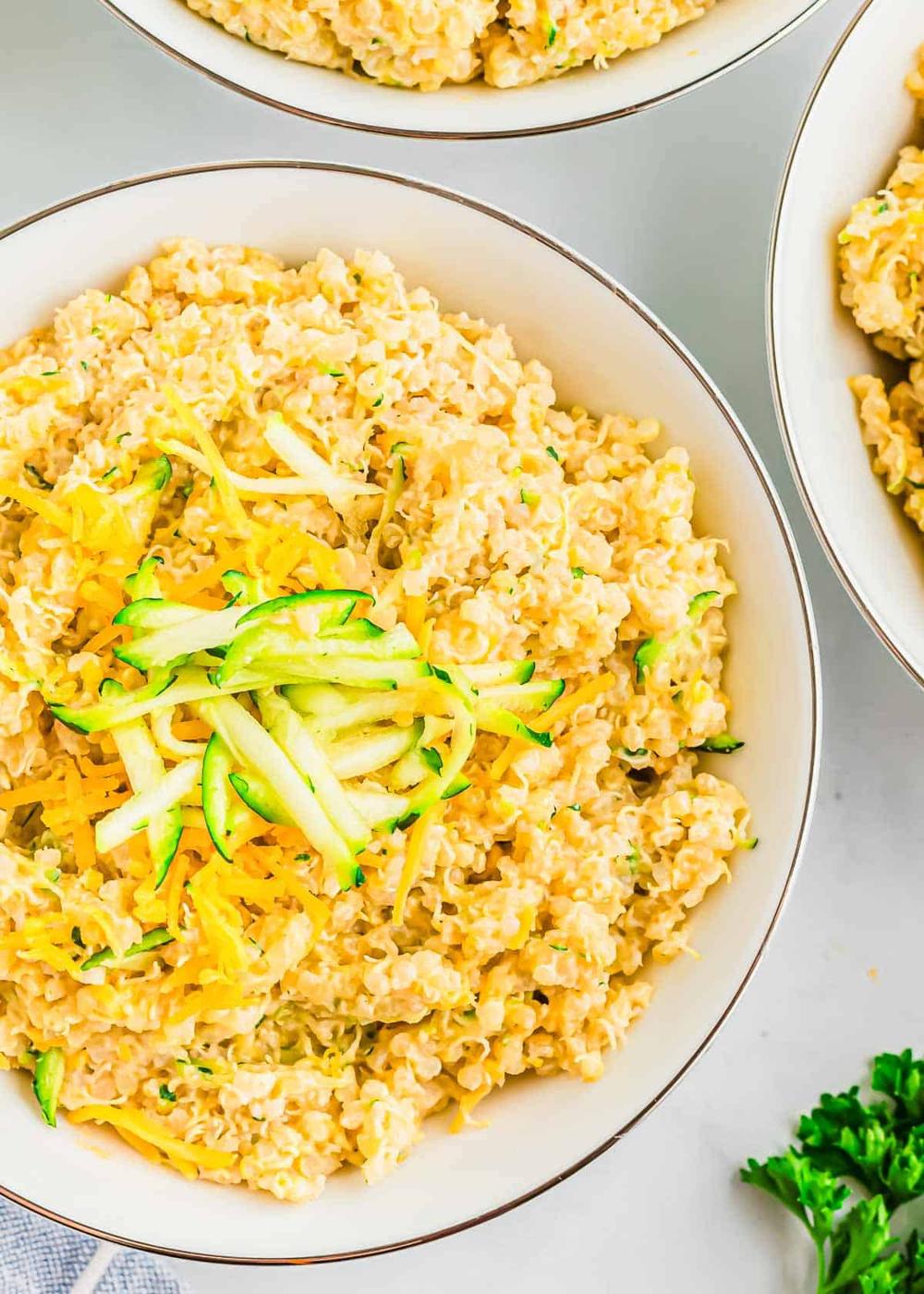
Quinoa is a popular gluten-free grain with high protein content and essential amino acids. It is a complete protein, making it an excellent choice for vegetarians and those with celiac disease. This versatile grain can be used in salads, soups and cereals.
Our most popular quinoa dishes include:
- Cheesy quinoa — an excellent side dish to any meal.
- Cheddar chicken quinoa bake — a casserole that’s a great way to use up leftover chicken.
- Quinoa pancakes — paired with lemon, this is a delicious stack to start the day!
Brown rice
Brown rice, a whole grain rich in nutrients, vitamins and minerals like magnesium and phosphorus, provides a healthier alternative to white rice. Of course, all manner of rice is gluten-free, from simple white rice and even including glutinous sticky rice, which actually contains zero gluten. But brown rice, in particular, is an excellent source of fiber and fits well in a gluten-free diet.
“My absolute favorite gluten-free grain is brown rice because it’s so versatile. I serve it with everything! From eggs to grain bowls to any type of meat or seafood, brown rice is an excellent base for a meal.” — Gen La Rocca, Two Cloves Kitchen
Some brown rice dishes we love:
- Greek brown rice bowls — a complete dinner in a bowl!
- Spicy collard greens & rice — a bulked up side dish that pairs well with any meat.
Buckwheat
Contrary to its name, buckwheat is not related to wheat and is a great gluten-free option. It is used in making gluten-free pancakes, baked goods and gluten-free noodles like soba.
Try buckwheat in these recipes:
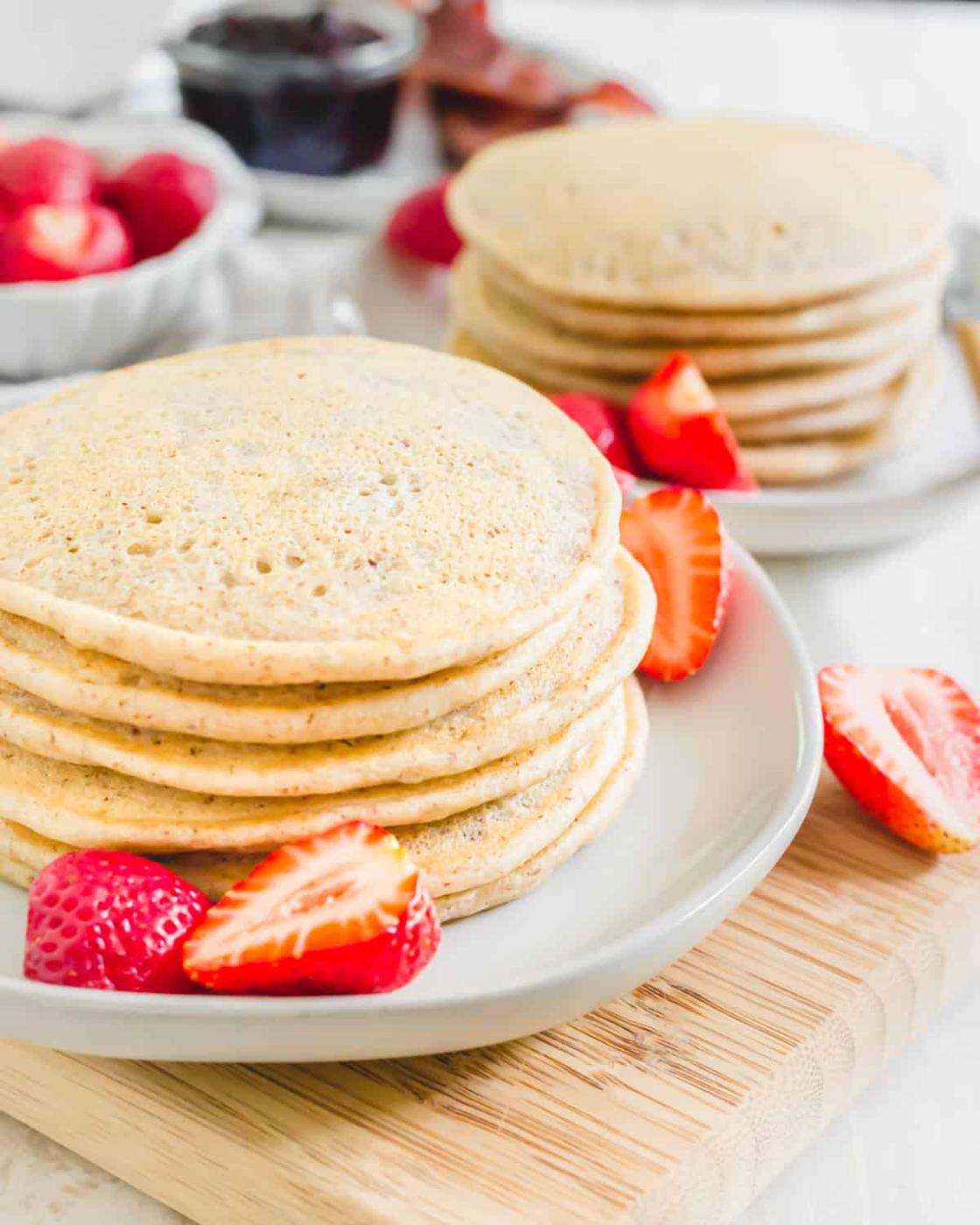
- Buckwheat pancakes — with a pineapple ring in the center, these are fun!
- Overnight buckwheat oats — treat buckwheat just like oats in this breakfast dish.
- Buckwheat breakfast bake — buckwheat flour and groats make moist and tender breakfast bakes for something different.
Amaranth
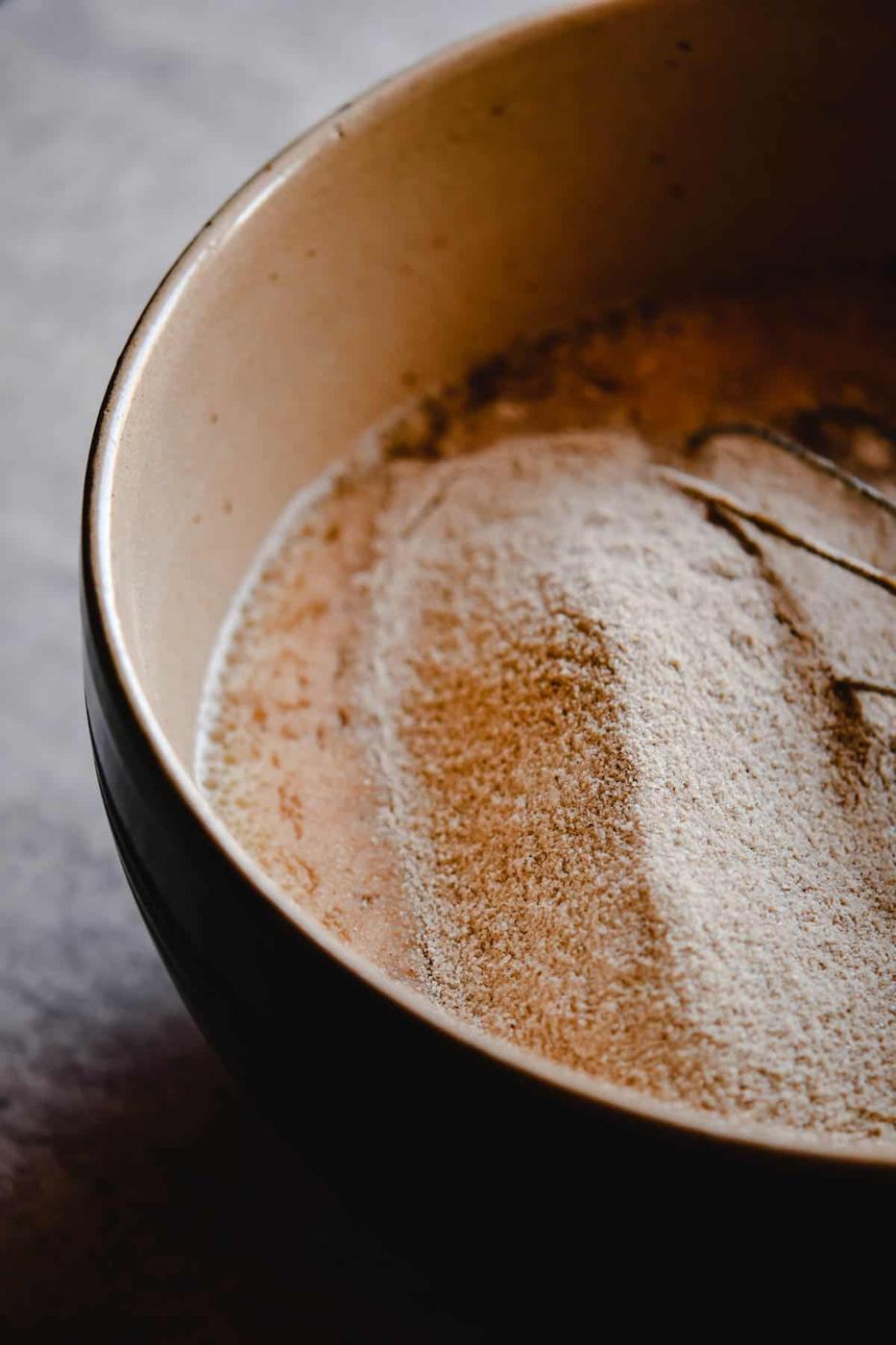
Amaranth, an ancient gluten-free grain, is high in protein, calcium, iron and fiber. It can be used in baking or as a hot cereal. It’s also sold in a puffed form similar to cereal.
Amaranth can be cooked in many ways. Try this amaranth pudding recipe.
Millet
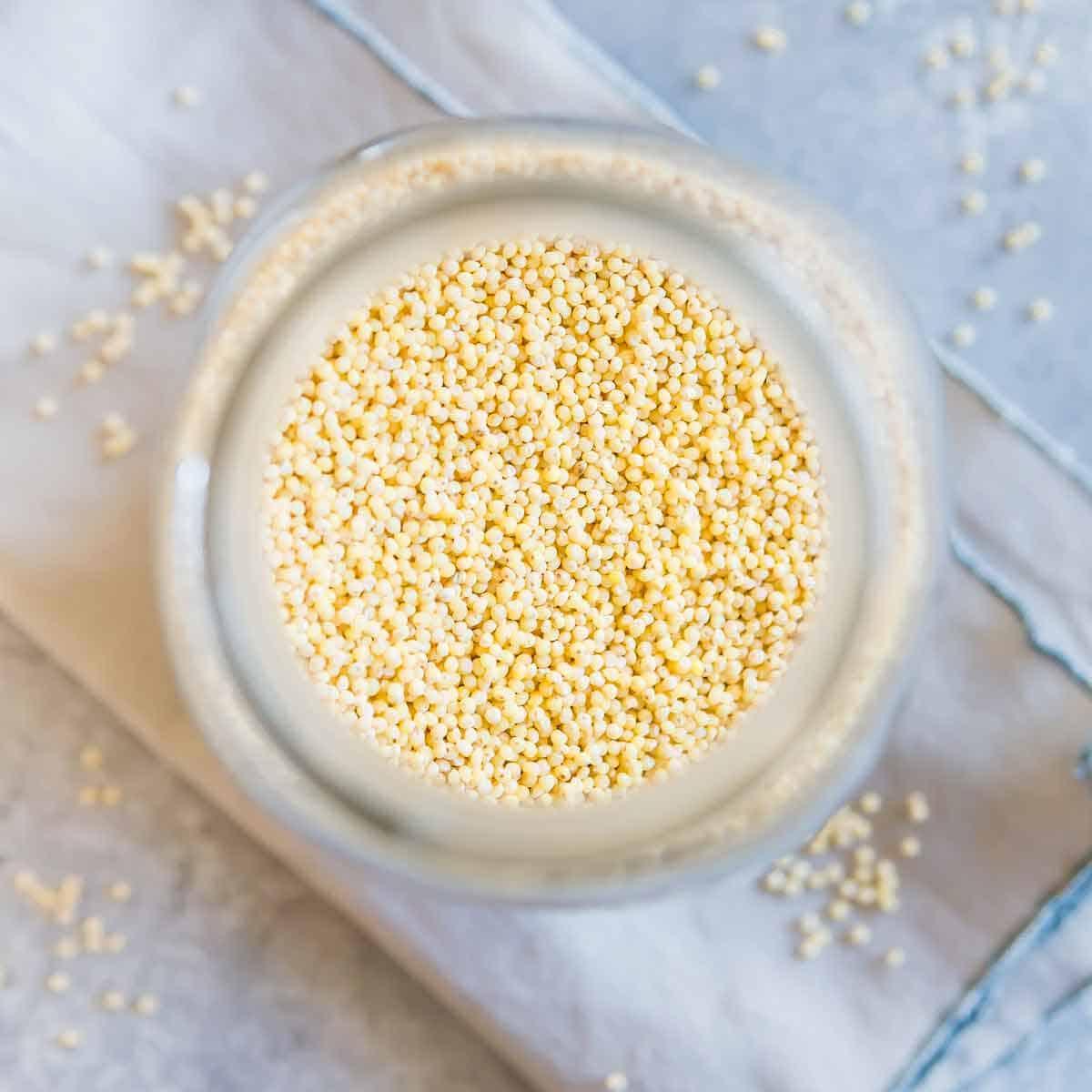
Millet is a gluten-free grain with a slightly nutty flavor that is common in India. It is rich in antioxidants, vitamins and minerals like iron, magnesium and zinc. This grain can be used for making cereals and even beverages.
“Millet is my favorite gluten-free grain. Whether served like rice, mixed into soups, or shaped into patties, millet is a flavorful and versatile grain with a delightfully airy texture.” — Kristen Wood, MOON and spoon and yum
Besides rice, millet is my most used gluten-free grain. It’s versatile, easy to cook and adaptable to both savory and sweet dishes.
Try these millet recipes:
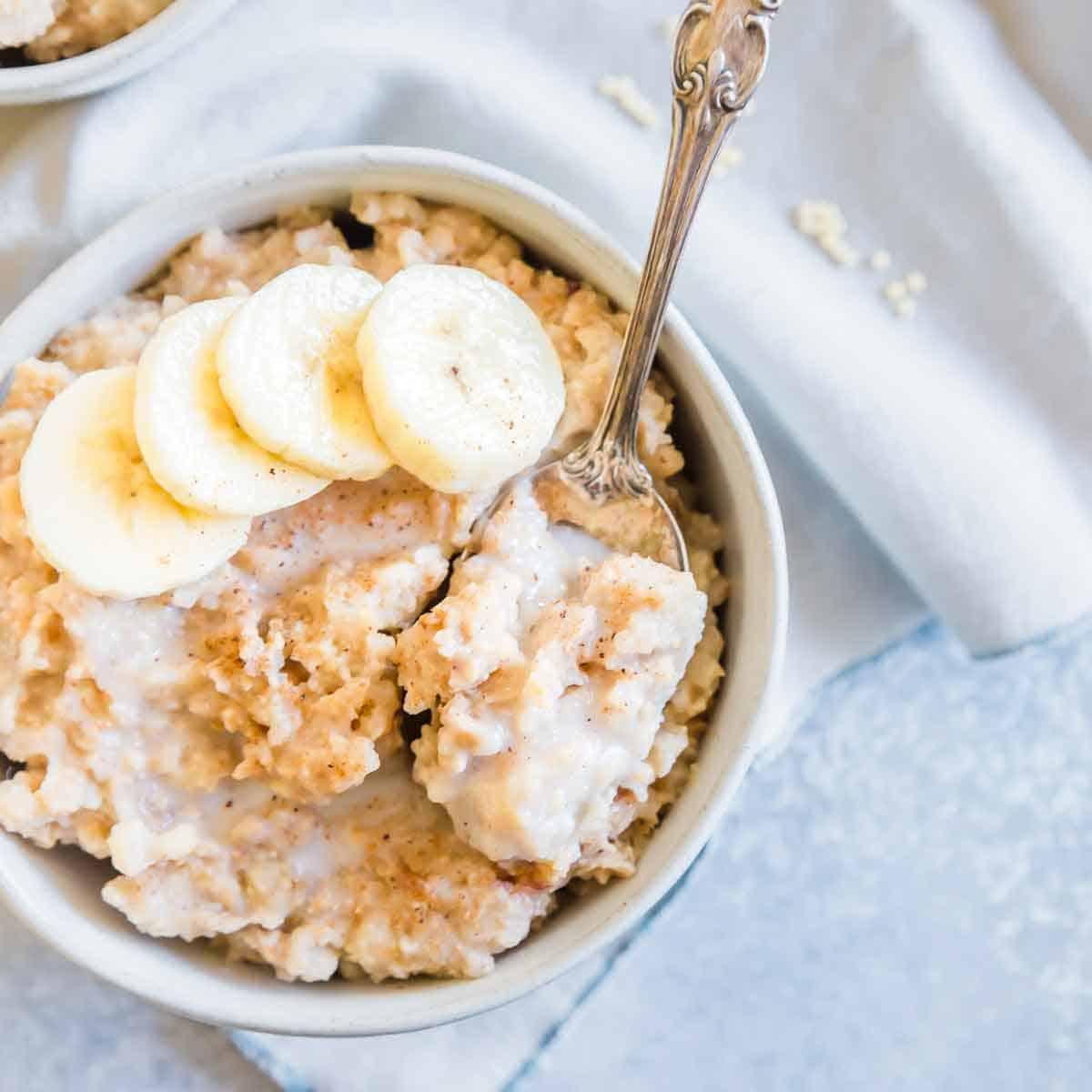
- Millet porridge — a creamy breakfast option when you’re sick of oats.
- Millet tabbouleh — make tabbouleh gluten-free by swapping out bulgur wheat for millet.
- Millet cookies — puffed millet is used like a cereal to make cookies resembling crispy rice treats.
Sorghum
Sorghum is a gluten-free grain rich in antioxidants and nutrients. It is used in gluten-free flours, cereals and even alternative bread options. Sorghum flour is a great replacement for wheat flours, baking up very similarly in texture and taste.
Sorghum flour is used in the topping for this sour cherry crisp, a delicious seasonal treat!
Teff
Teff, a tiny gluten-free grain from Africa, is high in protein, calcium and iron. It can be incorporated into soups, salads and baked goods.
I sometimes swap one of the grains in this breakfast grain bowl with teff.
Wild rice
Wild rice is not technically rice, but it is a gluten-free grass with a unique texture and nutty flavor. It is rich in nutrients and antioxidants, making it a healthy addition to anyone’s diet. Try wild rice pilaf to fall in love with this grain.
Try wild or black rice in these recipes:
Corn
Corn is a gluten-free staple that provides many essential nutrients and fiber and can be found in numerous forms, such as polenta and cornmeal. It is also used in making gluten-free cornbreads, arepas and cereals.
Tapioca
Tapioca, derived from the cassava root, is a gluten-free starch used in thickening soups and making gluten-free baked goods. It is an excellent option for those looking for a starchy filler. Try it in a gluten-free flour mix, or make your own pao de queijo.
Tapioca is my go-to thickener for soups, stews and stir fries like these recipes:
Wrapping up
In recent years, the demand for gluten-free options has significantly increased. People with celiac disease, gluten sensitivity and those following specific dietary lifestyles have explored various alternatives, falling in love with this diverse field and its many options.
The world has come a long way from unrecognizable gums and porridges. This list discusses only some of the most prominent grains, overlooking some other options like chickpea flour and arrowroot powder. But you need not limit yourself to these 10 gluten-free grains — go ahead and explore your nearest bulk or health food store, grabbing as many different options as you can carry. Whichever one you choose, gluten-free grains provide a great way to maintain a balanced and nutritious diet without compromising on taste.
This article originally appeared on Food Drink Life.