Kitchen Resources
The Ultimate Guide to Asparagus + 18 Recipes
A delicious spring vegetable, asparagus is bright green with a slightly sweet but earthy taste that pairs well with almost
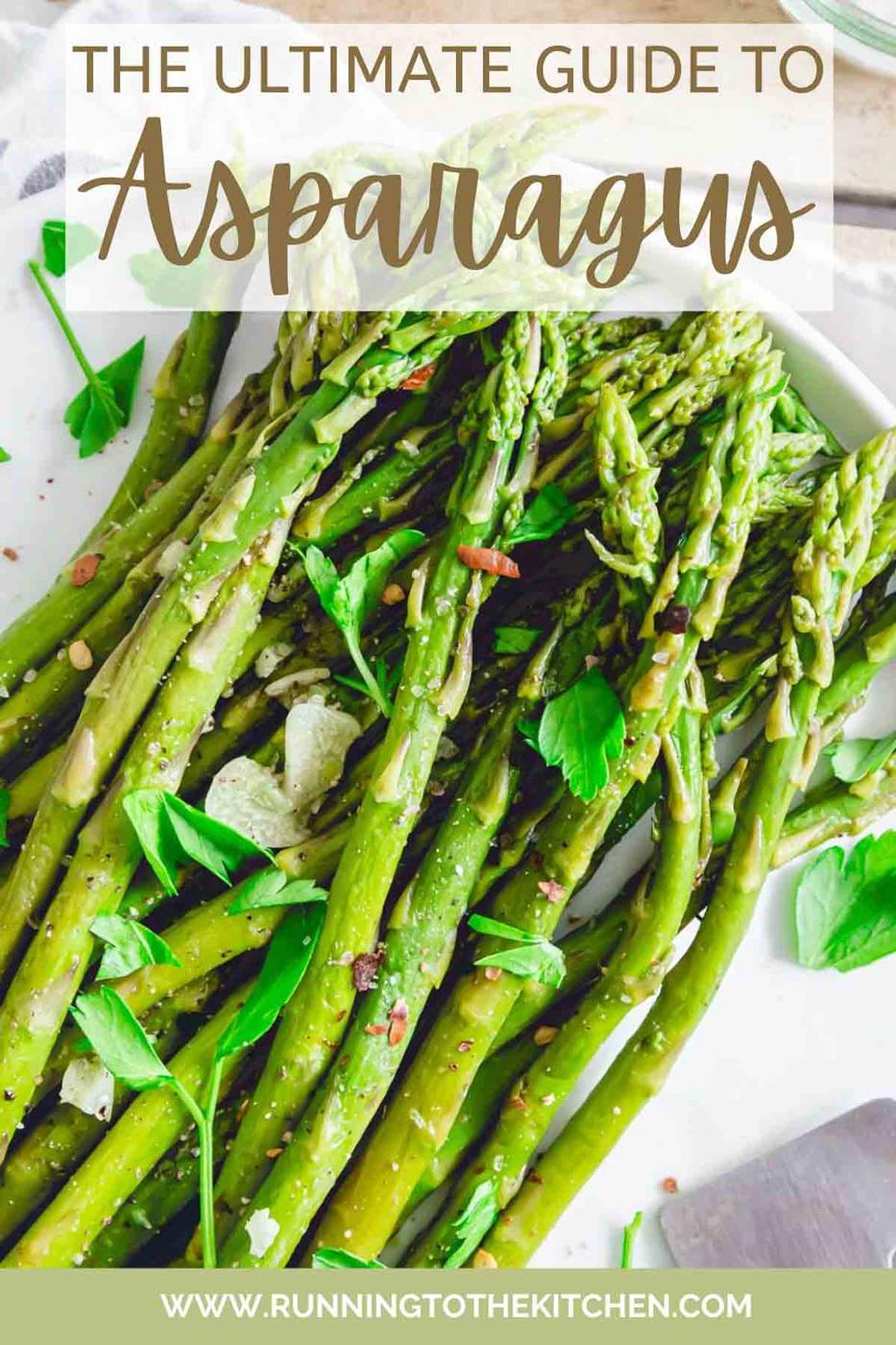
Asparagus is a stalky, green vegetable packed with nutrients. Some that it’s highest in are:
- Vitamin B6
- Folate
- Calcium
- Zinc
- Magnesium
How To Buy Asparagus
Learning what to look for in asparagus is key to ensuring that you get the best possible stalks for your recipes. Use the information below when shopping for asparagus.
When Is Asparagus in Season?
Typically, asparagus is in season in the United States from February until June with its peak being in April and May. This is when it is freshest and normally sourced locally.
Outside of this time of year, if you see it in the grocery stores, it’s most likely to come from somewhere in the Southern Hemisphere such as Peru.
Though it’s fine to purchase outside of peak season, it will have had to travel a significant distance to get to you which means that it won’t be as fresh.
What To Look for In Fresh Asparagus
When you’re heading out to buy a bundle, look for asparagus with tips that are tightly closed. You also want the stalks to still be a lovely, bright green color with the bottoms every so slightly white. If you find the bottoms look very depleted in color, appearing almost “woody”, steer clear.
Make sure that it’s firm to the touch and that the asparagus doesn’t look limp or wilted which would signify that it’s past its peak in freshness.
Types Of Asparagus
Though green asparagus is the most common, there are actually three different varieties:
- Green asparagus
- Purple asparagus
- White asparagus
The process of choosing asparagus is the same regardless of the variety. However, there are slight difference in taste among them.
Though white asparagus tastes similar to green, it’s been grown underneath the soil or sand, so it’s depleted in color. This can add a fun fresh look to your spring salads and other dishes.
Purple asparagus is a bit sweeter than the green and white varieties as it has a higher sugar content. This makes it extra tasty when seasoned simply. However, because of its potent pigment, it contains higher amounts of some vitamins.
How To Store Asparagus
The goal when storing asparagus is to keep it as fresh as possible. If you’re not eating your asparagus within a day or two, trim the ends off and place it upright in a shallow glass of water.
You could also stand it upright wrapped with a damp cloth and place it in the refrigerator.
Stored like this, asparagus will stay fresh and crisp for up to a week in the fridge.
How to Prepare Asparagus
Before you do anything else, snap or cut the tough ends off of each spear of asparagus. Then, wash the stalks under cold water to remove any sand left over.
Eating It Raw
Asparagus is so delicious it doesn’t even need to be eaten cooked! It’s wonderful when shaved with a vegetable peeler and added to spring salads like this lemon and parmesan asparagus salad.
Cooking Asparagus
This spring vegetable is extra versatile and can be boiled, steamed, grilled, or roasted. In fact, try it air-fried and wrapped in bacon for the ultimate side dish.
Learn more about how to cook asparagus for all the details on cooking this early spring vegetable.
Frequently Asked Questions About Asparagus
Before cooking your asparagus, you’ll want to trim the ends off. Aim to cut off 1-2 inches of each stalk, look for the tough, woody parts at the bottom. Depending on how fresh the asparagus is, this will be more or less.
No! The outside of the asparagus can be eaten and is in fact, very healthy. There is no need to peel the asparagus before eating it.
Asparagus is a low-calorie vegetable that’s a great addition to any diet. It’s high in antioxidants, folic acid, vitamin E, and many more nutrients we need to take in throughout the day.
Much of this is personal preference, however, thicker asparagus tends to be more tender than the thinner stalks. They’re also higher in soluble fiber. So, when possible, aim for the larger stalks for your asparagus recipes.
The Best Asparagus Recipes
Check out everything asparagus has to offer with these 18 asparagus recipes that cover everything from sides to soup and mains courses to salads. Find a new asparagus recipe to make the most of this delicious spring vegetable!
Check out these other spring vegetable guides:
A Guide To Radishes
A Guide To Artichokes
A Guide To Leeks
A Guide To Peas
Questions
What parts of asparagus do you cut off before cooking?
Before cooking your asparagus, you’ll want to trim the ends off. Aim to cut off 1-2 inches of each stalk, look for the tough, woody parts at the bottom. Depending on how fresh the asparagus is, this will be more or less.
Do you have to remove the scales from asparagus?
No! The outside of the asparagus can be eaten and is in fact, very healthy. There is no need to peel the asparagus before eating it.
What are the benefits of asparagus?
Asparagus is a low-calorie vegetable that’s a great addition to any diet. It’s high in antioxidants, folic acid, vitamin E, and many more nutrients we need to take in throughout the day.
Is thick or thin asparagus better?
Much of this is personal preference, however, thicker asparagus tends to be more tender than the thinner stalks. They’re also higher in soluble fiber. So, when possible, aim for the larger stalks for your asparagus recipes.