Kitchen Resources
The Ultimate Guide To Peas + 15 Recipes
Uncover the freshness of spring with peas! From choosing and storing to innovative recipes, our guide reveals how to enjoy peas in all their glory
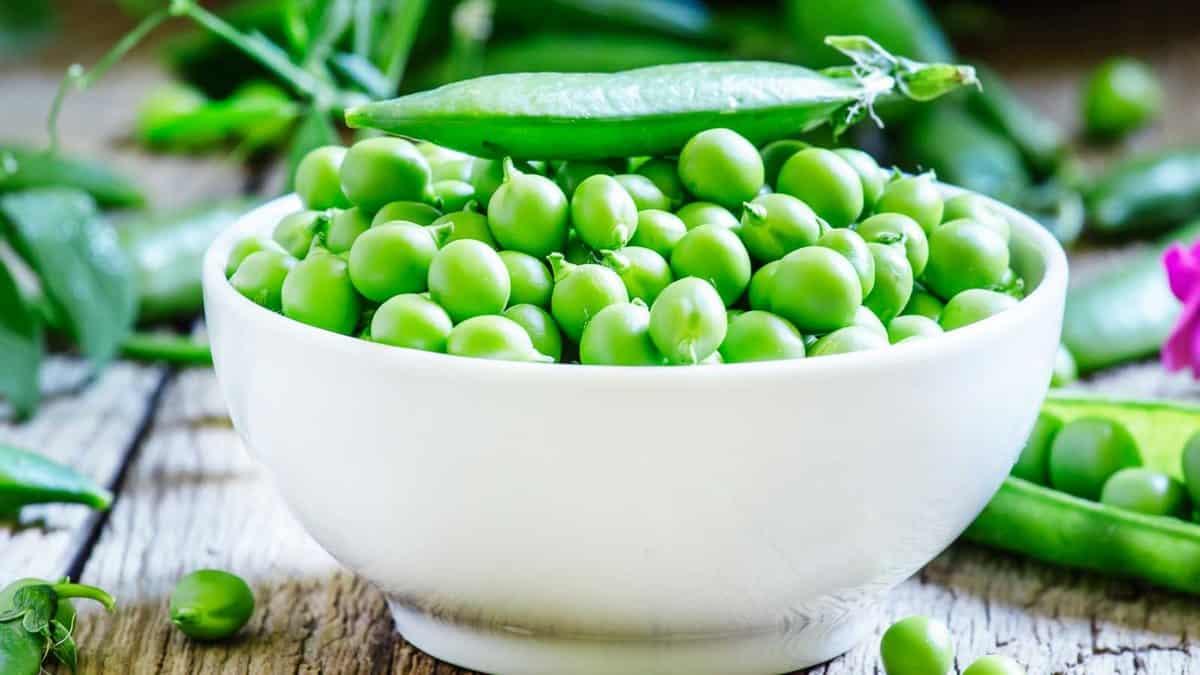
A versatile vegetable, peas make their appearance in spring and bring with them a crunchy, fresh flavor. Learn everything you need to know about choosing fresh pees, storing them, and of course, pea recipes to enjoy them!
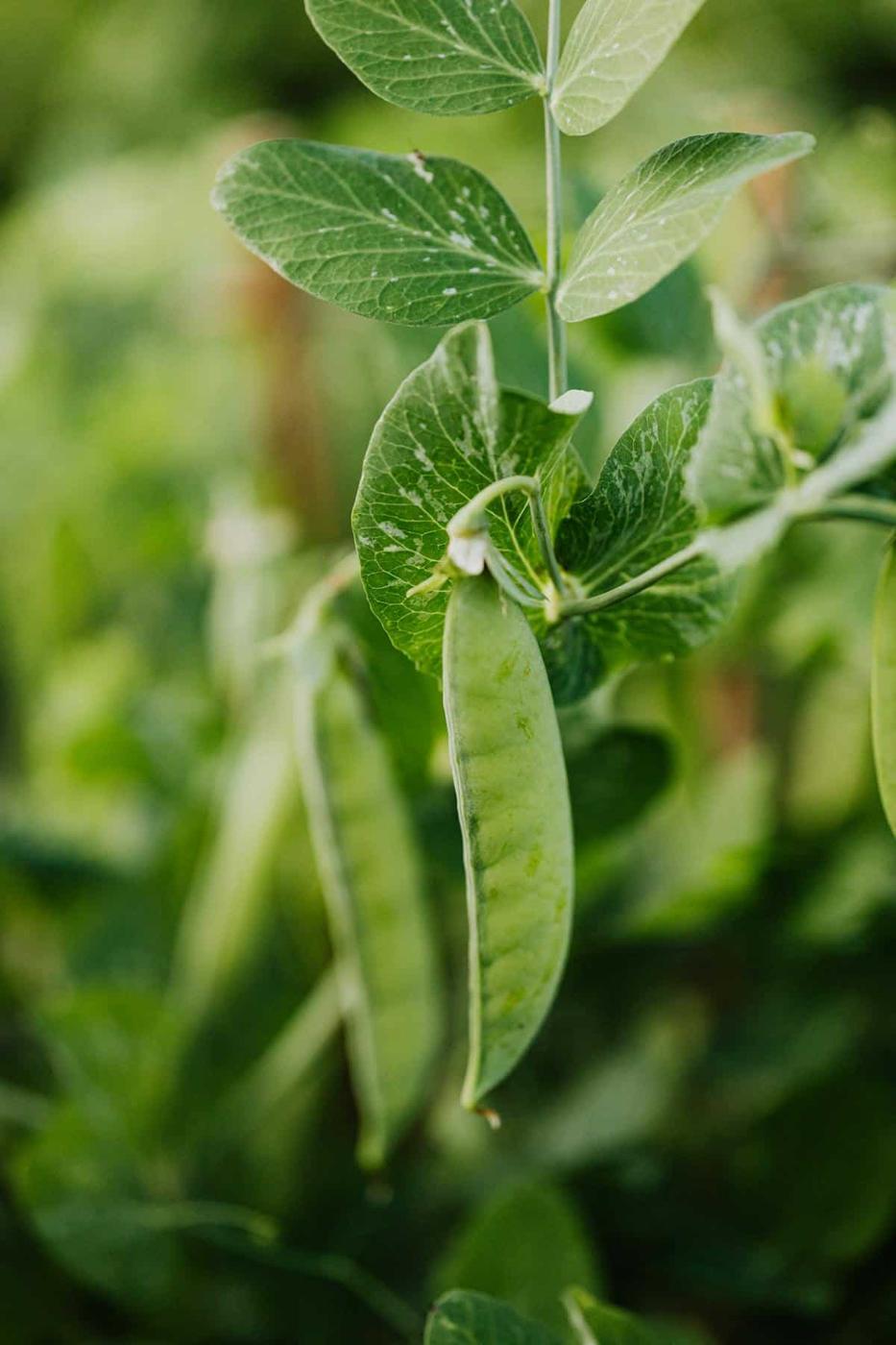
Though many people associate green peas with mushy, boiled pods, they’re so much better than that. With so many varieties, there’s a way to enjoy peas in all sorts of ways and make every dish brighter with their fresh vibrant color and taste.
Though you may not be ready to grow your own peas, you’ll want to reap their benefits while they’re in season. Learn which variety is best for your recipe and start grabbing as many as you can from the market to give a burst of fresh flavor to your favorite dishes.
Nutritional Benefits Of Peas
Peas are a naturally starchy vegetable that’s loaded with antioxidants. They’re also a great source of other nutrients like:
- Vitamin K
- Vitamin C
- Zinc
- Fiber
Believe it or not, peas can be a great addition to your diet to help boost your immune system.
How To Buy Peas
Peas are pretty limited as to when they grow, so it’s important to buy peas that are fresh if you want to maximize texture, flavor and nutritional benefits.
When Are Peas In Season?
Typically, most pea varieties are in season from April until July. They actually need to be planted quite early in order to harvest during these months.
What To Look For In Fresh Peas
The easiest way to tell if a pea is fresh is to feel the pod. They should feel very firm and full. They’re almost glossy in appearance.
If you’re purchasing sugar snap peas you want the shell to be crisp. Whereas snow pea pods should be flat without any noticeable bumps in the casing.
Pea pods that are hard or look dull are normally too far past their prime.
How To Store Peas
All varieties of peas are best eaten as soon as possible as they lose their sweetness very quickly once picked. To store them in the fridge, wrap them tightly in a plastic bag and they should be able to sit there for a couple of days.
If you’re using shelling peas, you’ll want to wait to shell them until right before cooking so that they remain as fresh as possible.
You can freeze peas for later use if you have an abundance. Shell them first before blanching them and then placing them in a cold-water bath. Drain and dry them and place them into a freezer-safe bag. They’ll stay fresh for a couple of months.
Pea Varieties
There are quite a few pea varieties out there to choose from. However, below are the most common ones.
Snow peas: These tend to be great in a stir fry and have a flatter appearance to them. The pea in them is very small.
Snap peas: Tend to be much sweeter and have a larger pea pod. They’re also very thick and much larger than snow peas.
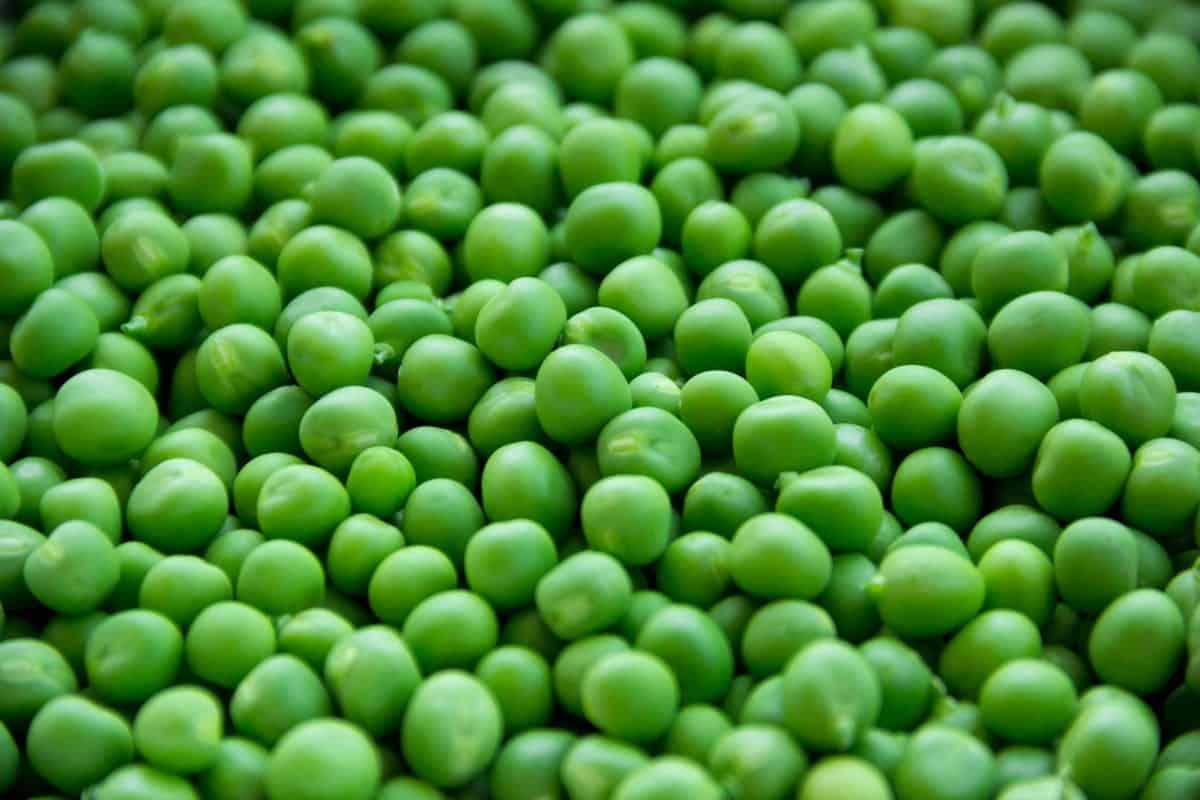
Shelling peas: Normally known as sweet peas or garden peas. These are the ones that work best in pasta and rice dishes. They’re also the ones that come frozen at the grocery store.
How To Prepare Peas
For the most part, peas are very simple to prepare. Snap peas and snow peas can be shelled or eaten as grown.
Shelling peas need to have their casings removed before you enjoy them. From there, all peas can be sauteed, steamed or boiled.
Frequently Asked Questions About Peas
Technically, peas are a legume and come from the same family as lentils. It’s why they’re so high in fiber.
Once shelled, peas can be added in to your favorite pasta dishes or stir fries for an added crunch. Snow peas and snap peas can be added raw to salads. Or, you can simply steam peas and enjoy them as a side dish all on their own with some butter.
The Best Pea Recipes
Below you’ll find some new and unique recipes to use up your harvest of peas. Everything from classic dishes that mix peas in like stir fry to fun new recipes to try like a sweet pea cake. Step outside of your comfort zone and find some new favorites.
More Spring Vegetable Guides:
A Guide to Asparagus
A Guide to Radishes
A Guide to Artichokes
A Guide to Leeks
Questions
Are peas a vegetable or a legume?
Technically, peas are a legume and come from the same family as lentils. It’s why they’re so high in fiber.
What’s the best way to eat peas?
Once shelled, peas can be added in to your favorite pasta dishes or stir fries for an added crunch. Snow peas and snap peas can be added raw to salads. Or, you can simply steam peas and enjoy them as a side dish all on their own with some butter.