Kitchen Resources
The Ultimate Guide to Healthy Home Baking
Learn how to make your favorite baked treats healthier without losing flavor. From ingredient swaps to smart techniques, baking at home can be both delicious and nutritious
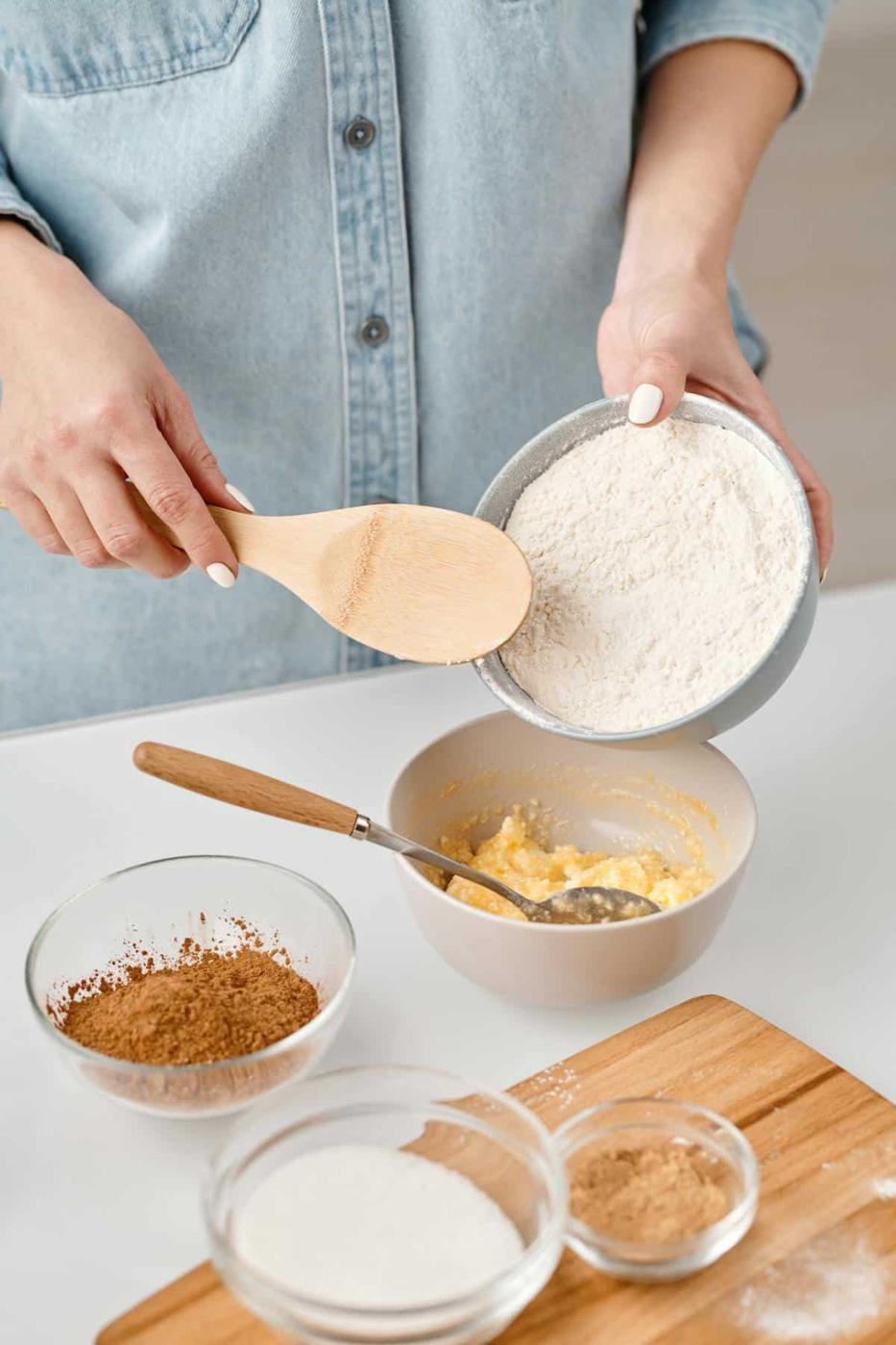
Baking at home offers a special kind of joy and satisfaction, especially when you can make your favorite treats healthier without sacrificing flavor. As more people look for ways to improve their diet without giving up the pleasures of homemade baked goods, the art of healthy baking is becoming increasingly popular.
This transition to healthy baking involves rethinking traditional methods and ingredients. Each recipe becomes an opportunity to improve upon nutritional value while preserving the original tastes we all love.
Revamping traditional recipes for better nutrition
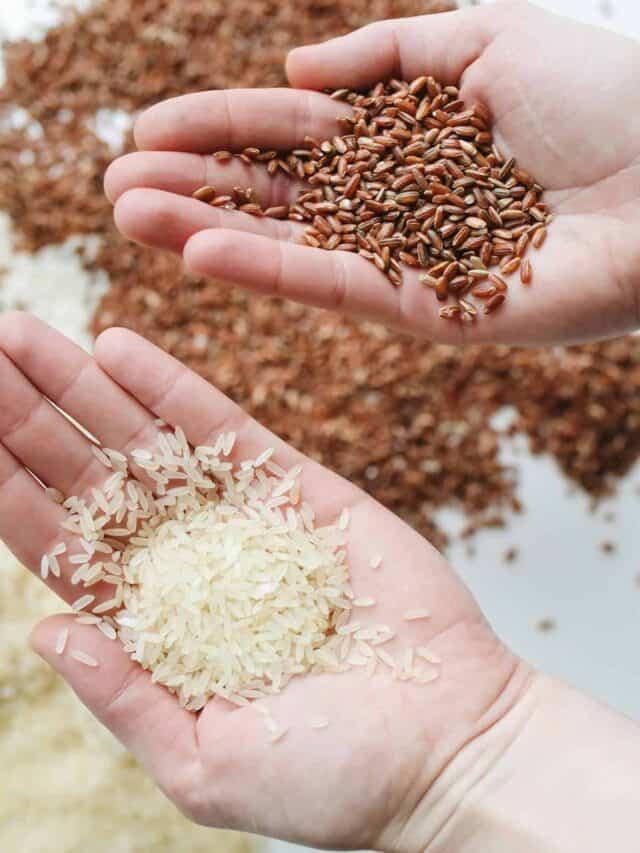
The cornerstone of healthy baking is substituting standard ingredients with more nutritious alternatives. Instead of white flour, bakers turn to whole grains like whole wheat, almond flour, oat fiber or oat flour. These add fiber and essential nutrients like protein and healthy fats, enriching the texture and flavor of baked goods.
Refined sugars are another target for healthy swaps. Natural sweeteners such as honey, maple syrup or applesauce can dramatically reduce the amount of sugar used while providing a subtle, more complex sweetness. Additionally, these sweeteners bring their own health benefits. 0-calorie sweeteners are also a good choice in healthy baking.
Fats are transformed by using oils rich in unsaturated fats, such as olive or coconut oil. Alternatively, incorporating mashed avocado can add moisture and heart-healthy fats to your creations without the downsides of butter or margarine. Our guide to alternative oils provides a rundown of healthier choices.
My favorite recipes
Healthier Bread Recipes
Incorporating superfoods and functional ingredients
Enhance your baking by adding ingredients that offer more than just flavor. Chia seeds, flaxseeds or hemp seeds can be sprinkled into recipes for an omega-3 boost.
Nuts and dried fruits not only add texture and taste but also pack a punch with vitamins and fiber. Experimenting with spices like cinnamon, nutmeg or turmeric can enhance flavor while providing powerful anti-inflammatory benefits.
Understanding the role of each ingredient
Developing a deeper understanding of what each ingredient brings to the table allows you to make informed choices about substitutions and additions. For example, using eggs or Greek yogurt can increase the protein content in baked goods.
Similarly, experimenting with gluten-free flours like chickpea or buckwheat can open up your baking to those with dietary restrictions while adding variety and distinct flavors to your dishes.
My favorite recipes
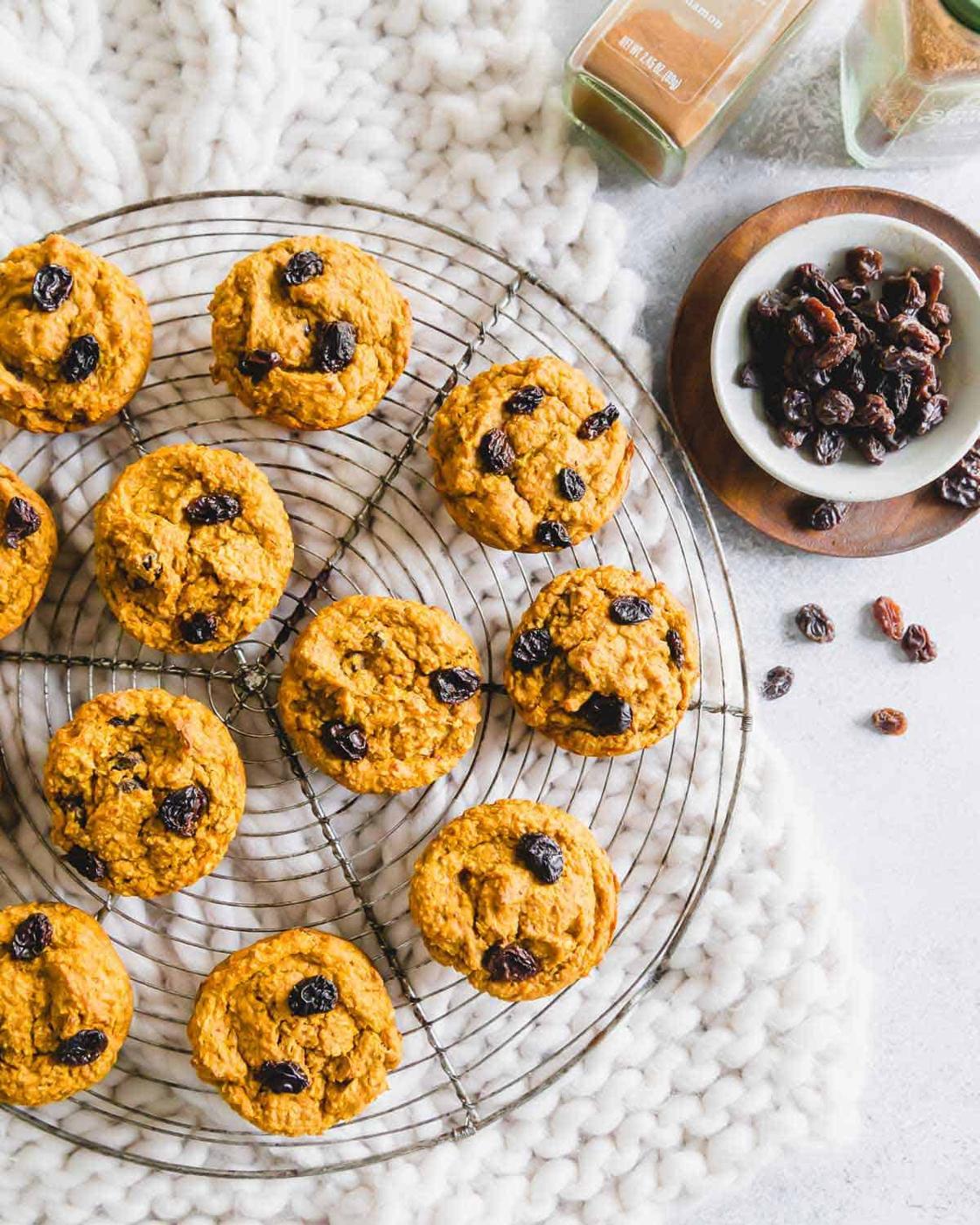
Healthier Muffin Recipes
Balancing flavor and nutrition
Mastering healthy baking involves finding the right balance between making nutritious choices and maintaining delicious outcomes. Techniques such as using fruit purees for sweetness and moisture or a dash of sea salt to enhance the natural sweetness of ingredients can make all the difference. Flavor extracts like vanilla or almond can add richness without extra calories to create satisfying treats that are still health-conscious.
My favorite recipes
Healthier Scone Recipes
Equipment and tools
Essential items include durable measuring cups and spoons for precise ingredient ratios and silicone baking mats, which reduce the need for excess oils by providing a non-stick surface. Additionally, a variety of mixing bowls is key for accommodating different recipes, with stainless steel being a preferred choice for its durability and ease of maintenance. Complementing these are essential hand tools like whisks and spatulas, vital for achieving the perfect texture and consistency in your baked goods.
Techniques
Adjust your baking techniques to maximize nutritional benefits. Here are some strategies to consider:
- Lower temperature baking: Cooking at slightly lower temperatures can prevent the degradation of some sensitive nutrients and also reduce the formation of harmful compounds.
- Minimal processing: The less you process the ingredients, the more their natural health benefits are preserved. Opt for whole or minimally processed ingredients wherever possible.
- Moisture retention: Techniques like covering with foil during part of the baking process can help retain moisture without needing to add excess fats.
My favorite recipes
Healthier Cookie Recipes
Creative and healthful recipe development
Crafting your own recipes or modifying classics to be healthier can be deeply rewarding. Start by swapping out one or two ingredients in familiar recipes and gradually incorporate more changes as you become comfortable with the substitutes and their effects on the overall product.
A good place to start is to swap white flour with this easy, homemade gluten-free flour. The next substitution to try is to swap out sugar for a low-carb sweetener alternative. This sugar-free sweets guide will certainly get you moving in the first direction for your homemade healthy baking needs. You can start by making these chewy keto chocolate chip cookies.
My favorite recipes
Healthier Bar Recipes
Storage and preservation
The right storage of baked goods can make a significant difference in maintaining their quality. Baked goods should be stored in an airtight container at room temperature to prevent them from becoming stale. For items such as bread, it is recommended to use bread storage containers to allow them to breathe while protecting them from light and moisture.
Freezing is an effective method to extend the shelf life of baking products without compromising their quality. To freeze cakes and similar desserts, one should wrap them tightly with plastic wrap or aluminum foil.
Wrapping up
Healthy home baking allows you to enjoy your favorite treats while also taking care of your nutritional needs. You can transform traditional baking recipes into healthier versions without sacrificing flavor by equipping your kitchen with the right tools and learning to make smart ingredient choices. Embrace these practices, and you’ll find that healthy baking is not only possible but also incredibly satisfying.
This article originally appeared on Food Drink Life.