
Mastering Your Run: Overcoming Plateaus & Celebrating Pet Milestones
Every runner experiences those days when their performance feels a bit off, a step slower than usual. After four days away from any structured exercise, the anticipation for a challenging, sweat-inducing workout was palpable. Having completed workout 1B of NROLFW (New Rules of Lifting for Women) — with only two more sessions remaining in Stage 1 — during my lunch break, I reserved my run for the cooler hours after work. At 5:15 PM, I set out for a planned three-mile run, but the conditions were far from ideal. The thermometer read a sweltering 86 degrees Fahrenheit, and approximately 85% of my chosen route was bathed in direct sunlight. Adding to the challenge, I had forgotten my hydration pack, a decision I now recognize as less than optimal.
While environmental factors and lack of preparation undoubtedly played a role in my slower-than-desired pace and noticeable positive split, I must confront a more unsettling realization: I fear I might be getting slower. This self-assessment is more than just a passing thought; it’s a genuine concern prompting me to re-evaluate my training approach. The numbers from my run paint a clear picture:
- Mile 1: 8:44 pace
- Mile 2: 8:55 pace
- Mile 3: 9:00 pace
My average pace for this three-mile effort was 8:53. This figure is particularly striking when I recall a recent 5-mile race I completed less than two months ago, where my average pace was more than 40 seconds faster. The disparity seems almost unbelievable, highlighting a significant shift in my running efficiency. For a runner who meticulously tracks every session, this dip in performance is impossible to ignore.
Unpacking the Decline: Training, Hydration, and Environmental Factors
Upon reviewing my running log, a crucial habit for any dedicated athlete, I identified several contributing factors to this recent slowdown. Post-race, there has been a noticeable decrease in both dedicated speed work and high-intensity interval training (HIIT) sessions. These types of workouts are vital for improving cardiovascular fitness, building speed, and enhancing overall running economy. Furthermore, my total mileage over the past two weeks has been a mere 11 miles, a significantly lower volume than what is typically required to maintain or build endurance and speed. This reduced consistency and intensity are almost certainly influencing my current performance.
Balancing Strength and Speed: The NROLFW Equation
I am generally accepting of a slight reduction in running speed when actively pursuing other fitness goals. As discussed previously, achieving peak running performance while simultaneously dedicating myself fully to a strength training program like NROLFW presents a considerable challenge. The energy demands and recovery needs of these two distinct training modalities can sometimes conflict. While I’m content with this trade-off to a certain extent, seeing my average paces hovering around 9:00 per mile is a stark departure from my usual 8:20-8:30 range. This signals that the balance has shifted too far, and it’s time for a strategic adjustment.
My goal isn’t necessarily to become a competitive racer right now, but rather to maintain a respectable level of running fitness while building strength. I believe it’s entirely feasible to sustain average paces of around 8:35-8:45 per mile, even while committed to NROLFW. To achieve this, a multi-faceted approach is essential. This recent run serves as a crucial wake-up call, prompting me to develop a more balanced and effective training plan.
A Strategic Comeback: Reclaiming Running Form and Speed
To combat this decline and get back on track, I’ve outlined a renewed running strategy for the upcoming weeks. The plan focuses on a few key areas:
- Increase Mileage Gradually: Consistency is paramount. Slowly increasing my weekly mileage will help rebuild endurance and foster better running economy without overtraining.
- Incorporate Speed Work & Intervals: At least one dedicated speed work or interval session per week will be reintroduced. This could include tempo runs, hill repeats, or track intervals, all designed to improve my lactate threshold and top-end speed.
- Prioritize Hydration: Learning from my recent mistake, I will ensure proper hydration before, during, and after my runs, especially in hot conditions. Bringing my camelbak or planning routes with water fountains will become standard practice.
- Listen to My Body: While pushing myself is important, recognizing the signs of fatigue and allowing for adequate recovery, particularly when balancing NROLFW, is crucial to prevent injury and burnout.
- Strategic Planning for Conditions: Being mindful of weather conditions and adjusting run times or routes accordingly can make a significant difference in performance and enjoyment. Early morning or late evening runs are often more pleasant and effective during summer months.
By diligently adhering to this plan, I am confident that I can restore my running prowess to a more satisfying level, proving that consistent effort and smart training can overcome temporary setbacks. The journey back to those 8:30-8:40 paces, even alongside robust strength training, is well within reach.
A Sweet Interlude: Celebrating Ginger’s 4th Birthday
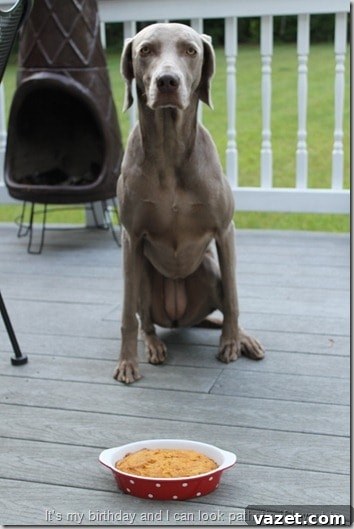
After laying out my running strategy and committing to these upcoming training adjustments, my thoughts shifted from splits and mileage to a much sweeter, celebratory task. Today marks a very special occasion: somebody’s birthday! And yes, it’s for my beloved canine companion, Ginger.
My “puppy” Ginger turns four today, and despite her age, she will forever remain my puppy. It’s hard to say if it’s my age making me softer, but we’ve never done anything particularly special for Ginger’s birthday before. In fact, I think we even overlooked it a couple of years ago. This year, however, felt different. I was compelled to make her a special doggy cake.
Reflections on Pet Aging and the Unbreakable Bond
Ginger’s fourth birthday has prompted a wave of reflection about pet aging. At four years old, she will soon surpass me in “doggy years,” and from that point, I feel like her aging process will accelerate rapidly. This thought carries a certain bittersweetness. Our family pointer from my childhood only lived to be nine. While I desperately hope Ginger outlives that, the realization that she’s almost halfway there is profoundly saddening. She might be crazy at times, occasionally making life a bit more challenging with her boundless energy and antics, but the sheer joy she brings into my life is immeasurable. I truly cannot imagine my days without her and her adorable floppy ears.
Pets become integral members of our families, offering unconditional love, companionship, and endless amusement. Celebrating their birthdays, even with a simple gesture like a homemade cake, acknowledges the profound impact they have on our lives and the unique bond we share. It’s a moment to appreciate their presence and create cherished memories.
To capture the full essence of this special day, and considering we rarely feed Ginger table scraps or “human food,” I decided to record her reaction to her very own birthday cake. This video is a testament to the simple joys our pets bring into our lives. And no, I wasn’t talking to myself in the video; Ulysses was nearby, just out of the camera’s frame, sharing in the excitement.
Embracing the “Crazy Dog Person” Identity
Watching this video back, I have come to a profound realization: I am officially that “crazy dog person.” And I embrace it wholeheartedly! For those of us who choose a different path than having human children, or for whom that path is simply not yet, or ever, in the cards, our pets often fill that role in deeply meaningful ways. Celebrating Ginger’s birthday with such enthusiasm might be the closest I’ll ever get to experiencing my “kid’s” birthdays growing up, and I wouldn’t trade it for anything. It highlights the depth of connection and love we can cultivate with our animal companions.
For those interested in making a similar treat for their furry friends, the dog cake recipe I used was simple and easily found with a quick online search for “dog cake recipes.” It consisted of wholesome ingredients: flour, oil, shredded carrots, honey, peanut butter, baking soda, an egg, and a touch of vanilla. Always ensure all ingredients are safe for dog consumption before baking.
We invite you to share your own experiences and join the conversation:
Do you celebrate your pet’s birthday? What special traditions do you have?
What’s the craziest, most heartwarming, or most memorable thing you’ve ever done for your beloved pet? Share your stories below!