
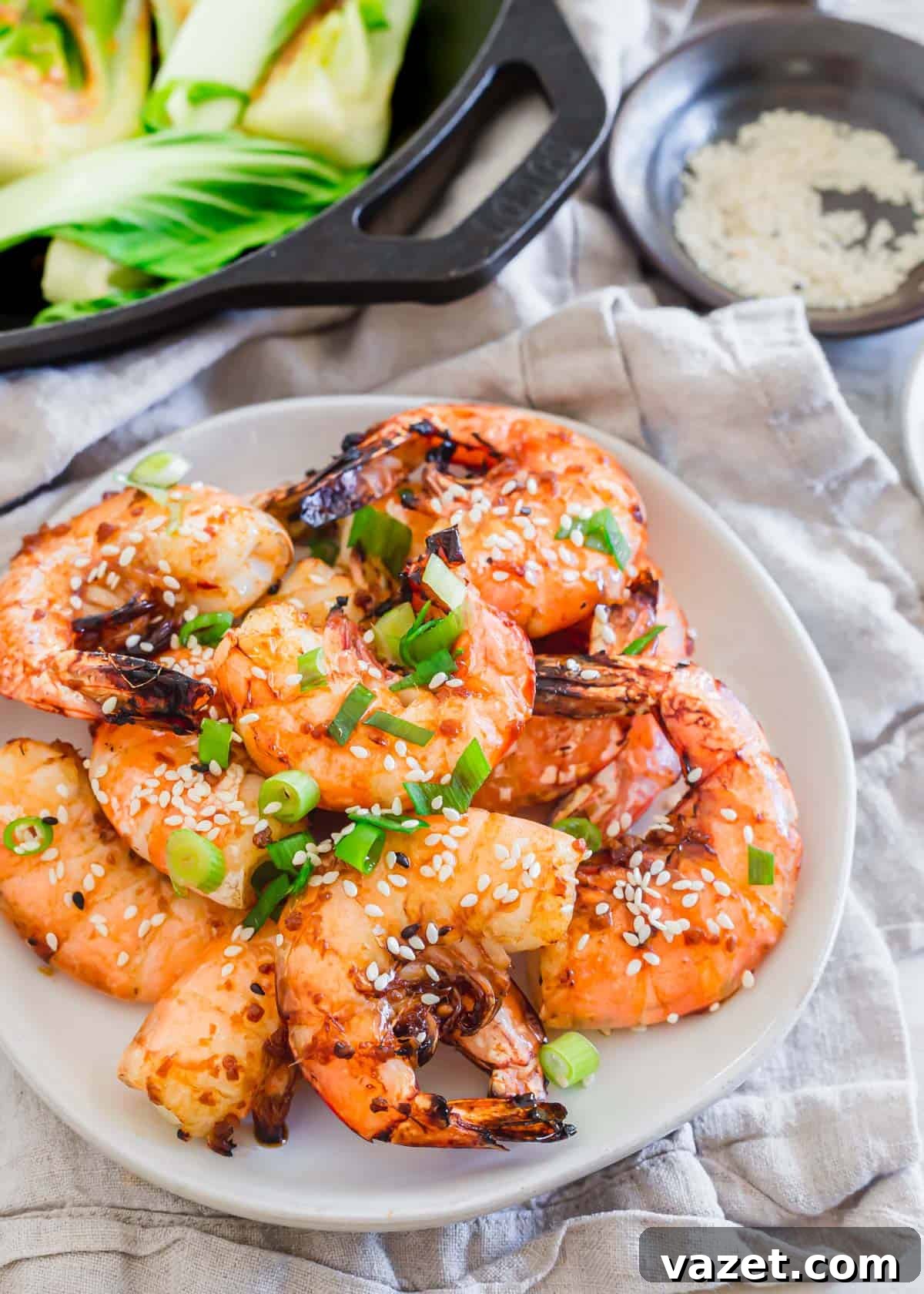
For many home cooks and seafood enthusiasts, shrimp is more than just a meal; it’s a culinary canvas offering endless possibilities. Its mild flavor, tender texture, and incredible versatility make it a staple in kitchens worldwide, finding its way into everything from quick weeknight stir-fries to elegant dinner party appetizers. Yet, standing at the seafood counter can often feel overwhelming. The sheer variety—white, brown, pink, shell-on, peeled, flash-frozen, wild-caught, farmed, and a confusing array of size labels—can leave even experienced cooks second-guessing their choices. What do these distinctions truly mean for your plate and, importantly, for the ocean?
This comprehensive guide is designed to demystify the world of shrimp. It’s the cheat sheet I wish I’d had when I first navigated the seafood aisle, eager to create delicious dishes but often unsure how to select the perfect shrimp. We’ll explore everything from deciphering cryptic size labels to understanding the nuances between Gulf wild-caught and various farmed options, ensuring your next shrimp purchase is informed, sustainable, and perfectly suited to your recipe. Get ready to elevate your shrimp game and confidently toss the right bag into your cart.
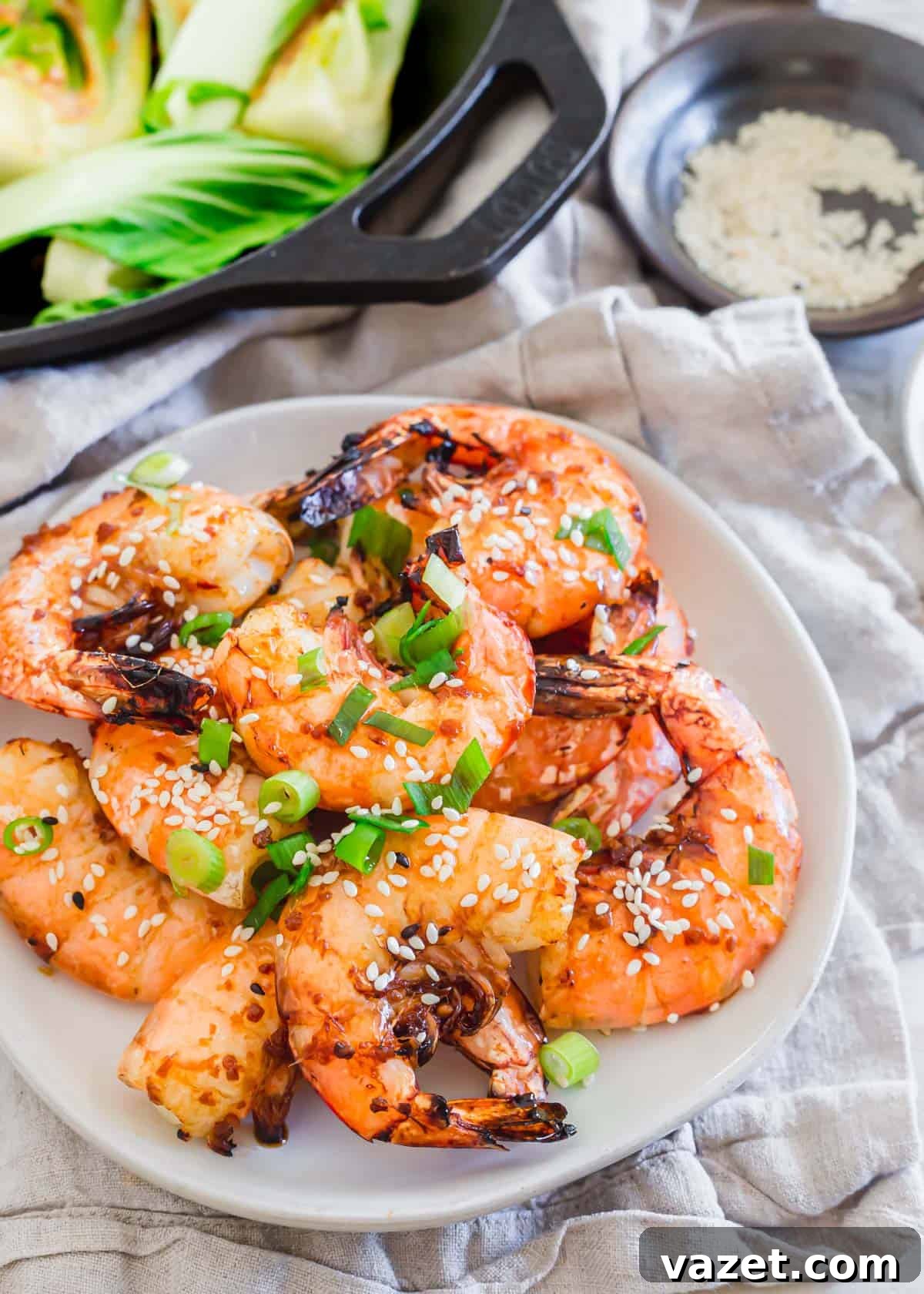
Shrimp holds a special place in American cuisine. According to the National Fisheries Institute, Americans consume nearly six pounds of shrimp per person annually, surpassing any other type of fish or crustacean. This remarkable popularity isn’t surprising given its ease of preparation and adaptability to countless flavor profiles, making it an ideal choice for a vast range of dishes.
Whether you’re planning vibrant citrus grilled shrimp skewers for a summer BBQ, simmering a rich shrimp gumbo to ladle over fluffy white rice, or assembling a light and zesty shrimp salad for lunch, choosing the right type and size of shrimp is paramount. This guide will introduce you to the most common types of shrimp, explain their sizes, and help you select the ideal variety to perfectly complement your favorite culinary creations.

Common Types of Shrimp: Unveiling Their Unique Qualities
While the ocean teems with over 2,000 shrimp species, you’ll typically encounter only a handful of key varieties at your local seafood counter. Each type offers distinct characteristics in terms of flavor, texture, and ideal culinary applications. Understanding these differences is the first step to becoming a savvy shrimp shopper. Here are some of the most well-known types of shrimp you’re likely to find.
White Shrimp: The Sweet, Versatile Standard
White shrimp are a beloved staple in seafood cuisine, celebrated for their delicate sweetness, clean flavor, and firm, yet tender texture. Their shells are typically easy to peel, making them a convenient choice for many preparations. These impressive crustaceans can grow quite large, often reaching up to 8 inches in length, which makes them incredibly practical for a wide array of dishes. According to NOAA Fisheries, the vast majority of white shrimp harvested in the United States originate from the warm waters of the Gulf of Mexico, predominantly from Louisiana and Texas. Their robust nature means they hold up beautifully in sautéed dishes, stir-fries, and pasta, absorbing flavors without becoming mushy.
Brown Shrimp: The Flavor Absorbers
Brown shrimp are distinguished by their slightly saltier, more robust flavor compared to white or pink varieties, a characteristic that makes them exceptional for dishes where they can truly soak up other ingredients. They possess a firm texture that stands up well to hearty preparations such as classic shrimp boils, spicy Louisiana-style BBQ shrimp, and flavorful gumbos. This unique taste profile also makes them a perfect complement to other seafood like salmon and scallops. A significant advantage of U.S. wild-caught brown shrimp is their eco-friendly status; they are recognized as a sustainable seafood choice due to stringent management and responsible harvesting practices.
“When I lived near the Gulf of Mexico, there was nothing better than fresh Texas brown shrimp just hours old. Now that I’m landlocked, my favorite shrimp is Argentinean wild-caught shrimp. They’re widely available and have a better flavor and quality than some other imported shrimp.”
— Chef Jenn Allen, Dinner by Six
Pink Shrimp: The Mild & Sweet Crowd-Pleaser
Often what comes to mind when one pictures shrimp, pink shrimp are famous for their consistently mild flavor and delicate sweetness. Their gentle profile makes them an excellent choice for dishes featuring subtle sauces or fresh ingredients, such as creamy garlic shrimp bucatini pasta or comforting shrimp and grits. Typically larger in size than some other varieties, these crustaceans are also ideal for more substantial applications like chilled shrimp cocktails, where their appealing pink hue and plump texture shine, or for grilling, where they maintain their shape beautifully.
Tiger Shrimp: Bold Stripes, Bold Flavor
Originating primarily from Asian aquaculture, tiger shrimp are easily recognizable by their distinctive black stripes that turn red upon cooking, giving them their characteristic “tiger” appearance. They boast a firm, somewhat coarser texture and a generally mild flavor that can be less sweet than white or pink shrimp. Tiger shrimp are often quite large, making them visually impressive and excellent for grilling, broiling, or any dish where a substantial, meaty bite is desired. Due to their common origin in farmed environments, it’s particularly important to look for sustainably certified tiger shrimp.
Rock Shrimp: A Taste of Lobster
Found primarily in the deep waters of the Atlantic, rock shrimp are named for their incredibly hard, rock-like shells, which require a bit more effort to peel. However, the effort is well worth it, as their meat is exceptionally sweet and firm, often compared to miniature lobster tails. They are usually smaller than other common shrimp types and are fantastic in dishes where their intense sweetness can be highlighted, such as ceviche, scampi, or simply steamed with butter. Due to their deep-water habitat, they are predominantly wild-caught.
Understanding Shrimp Sizes: From Tiny to Colossal
One of the most perplexing aspects of buying shrimp is deciphering the size labels. Unlike most produce, shrimp size is almost always indicated by a count per pound. This means the number represents how many individual shrimp you get in one pound. The smaller the number, the larger the shrimp. It’s a simple concept, but one that can easily be overlooked. Knowing the right size for your recipe is crucial, as it impacts cooking time, presentation, and overall texture. Here’s a breakdown of common shrimp size classifications and their ideal uses:
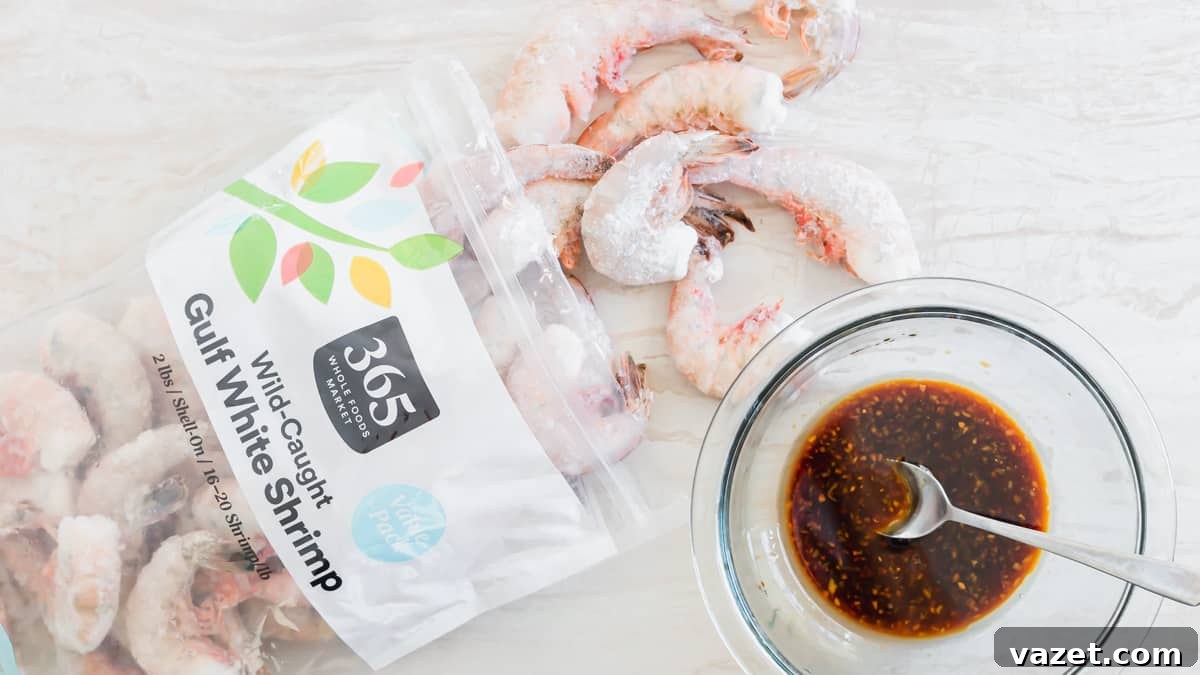
- Extra Colossal / U/10: (Under 10 shrimp per pound) These are the giants of the shrimp world, perfect for show-stopping dishes where presentation matters. Think elegant shrimp cocktails, grilling whole, or stuffing.
- Colossal / U/12: (Under 12 shrimp per pound) Similar to U/10, these are substantial and impressive. Ideal for grilling, large skewers, or any dish where you want a truly meaty bite.
- Jumbo / 13/15 or 16/20: (13 to 20 shrimp per pound) A very popular size for grilling, scampi, frying, or any recipe where shrimp is the star. They cook quickly and offer a satisfying texture.
- Large / 21/25: (21 to 25 shrimp per pound) This is a highly versatile size, excellent for stir-fries, pasta dishes, tacos, or even lighter grilling. A good all-around choice.
- Medium / 31/35 or 36/40: (31 to 40 shrimp per pound) Ideal for casseroles, curries, shrimp salad, or dishes where shrimp is incorporated as part of a larger mix rather than the main focus.
- Small / 41/50 or 51/60: (41 to 60 shrimp per pound) These smaller shrimp are great for additions to soups, stews, fried rice, or as a garnish.
- Salad Shrimp / 61/70+ or 71/90+: (More than 60 shrimp per pound) Often pre-cooked and tiny, these are best for cold preparations like shrimp salad, or as a flavorful addition to wraps and sandwiches.
Always consider your recipe’s requirements. Large shrimp can become rubbery if overcooked in a quick sauté, while tiny shrimp might get lost on a skewer. Matching the size to the cooking method and intended presentation will greatly enhance your final dish.
Fresh vs. Frozen Shrimp: The Truth About Seafood Freshness
The choice between “fresh” and frozen shrimp is a common dilemma for consumers, but the reality behind these labels might surprise you. While the idea of truly fresh, never-frozen shrimp is appealing, it’s a rarity for most people living outside of immediate coastal fishing towns. For the vast majority of consumers, frozen shrimp is not just a convenient option but often the superior choice in terms of quality, safety, and flavor.
“Fresh” Shrimp: A Misleading Label?
Shrimp labeled “fresh” at the seafood counter might have been previously frozen and then thawed for display. Once thawed, shrimp rapidly lose quality, texture, and flavor. Unless you are buying directly from a fishing boat or a highly specialized purveyor, “fresh” shrimp at a supermarket has likely been out of the water for several days, making it less truly “fresh” than a properly frozen counterpart. It’s crucial to examine “fresh” shrimp for any off-odors, discoloration, or sliminess, as these are signs of spoilage.
The Advantages of Flash-Frozen Shrimp:
Most commercially available frozen shrimp are “flash-frozen” shortly after being caught. This rapid freezing process at extremely low temperatures locks in the shrimp’s peak freshness, flavor, and texture. It prevents the formation of large ice crystals that can damage cell structure, ensuring that when thawed, the shrimp retains its firm bite and sweet taste. This makes frozen shrimp a reliable, high-quality option year-round, regardless of your proximity to the coast.
Frozen shrimp also offers significant practical benefits:
- Convenience: It can be stored in your freezer for months and defrosted quickly as needed.
- Cost-Effectiveness: Often more affordable than “fresh” shrimp, especially when purchased in bulk during sales.
- Reduced Waste: You can thaw only the amount you need, minimizing food waste.
For most of my recipes, I confidently rely on frozen shrimp. They are particularly excellent for quick-cooking dishes where their consistent quality shines, such as popular copycat takeout favorites like shrimp lo mein, vibrant General Tso shrimp, and spicy kung pao shrimp.
“I love to stock up on frozen shrimp when they go on sale. They defrost quickly in the refrigerator or under running water, so advanced planning isn’t really required. Frozen shrimp is often preserved with salt, so always rinse and pat dry to decrease the sodium content.”
— Marjory Pilley, Dinner-Mom
Wild-Caught vs. Farmed Shrimp: Making an Informed Choice
The debate between wild-caught and farmed shrimp mirrors the discussions surrounding other seafood, like the wild-caught versus farm-raised salmon debate. Each option presents distinct characteristics, environmental considerations, and culinary implications that are important for consumers to understand.
Wild-Caught Shrimp: Nature’s Bounty
Wild-caught shrimp are harvested from their natural marine habitats, such as the abundant waters of the Gulf of Mexico or the coastal regions of North Carolina. Proponents often praise wild shrimp for their perceived superior taste and texture, attributing it to their natural diet and active lives in the open ocean. Their flavor can be more complex, reflecting their diverse environment.
However, wild-caught shrimp typically come with a higher price tag. This is often due to the rigorous regulations governing sustainable fishing practices, which include limitations on catch size, fishing methods, and seasons, all aimed at protecting marine ecosystems and shrimp populations. Availability can also be a factor; the farther you live from a coastal region, the harder it might be to find truly fresh, wild-caught options.
Farmed Shrimp: Controlled Environments
Farmed shrimp are raised in controlled environments, typically in ponds or tanks. This method allows for a more consistent product supply throughout the year and often at a lower cost, making it widely accessible. Modern aquaculture has made significant strides in sustainability, with many farms adopting practices that minimize environmental impact. However, the quality and sustainability of farmed shrimp can vary significantly depending on the farm’s practices.
Historically, some farmed shrimp operations have raised concerns regarding environmental impact (such as mangrove destruction, water pollution from waste, and the spread of disease) and food safety (due to the potential use of antibiotics and chemicals). However, responsible farming practices, including recirculating aquaculture systems (RAS), sustainable feed management, and strict oversight, are becoming increasingly common. When choosing farmed shrimp, looking for certifications from reputable organizations is key to ensuring you’re supporting sustainable aquaculture.
Ultimately, the “better” choice depends on your priorities: a desire for potentially richer flavor and a preference for natural habitats with wild-caught, or consistent availability, often lower cost, and a commitment to certified sustainable farming practices with farmed shrimp.

Selecting Sustainable Shrimp: Protecting Our Oceans
Choosing sustainable shrimp is not just a trend; it’s a crucial step towards preserving the delicate ecological balance of our lakes and oceans. Shrimp play a vital role in marine ecosystems, acting as natural water purifiers and serving as an essential food source for a multitude of larger fish and other sea creatures. When shrimp populations decline or habitats are damaged by unsustainable fishing or farming practices, the entire marine food web can suffer. Therefore, making responsible choices when buying shrimp is paramount.
U.S. Wild-Caught Shrimp: A Strong Sustainable Option
According to the University of Washington’s Sustainable Fisheries program, U.S. wild-caught shrimp often represent one of the most sustainable choices available. This is primarily due to the strict regulations and comprehensive management plans enforced by federal and state agencies, such as NOAA Fisheries. These regulations dictate fishing seasons, gear restrictions (like smaller nets and bycatch reduction devices), and quotas, all designed to minimize environmental impact and ensure shrimp populations remain healthy and abundant. These eco-friendly methods help protect marine habitats and reduce the unintended capture of other species (bycatch).
Sustainable Farmed Shrimp: Certifications Matter
Farmed shrimp can also be a sustainable option, provided it comes from responsibly managed operations. The key is to look for certifications from credible third-party organizations. The Marine Stewardship Council (MSC) certifies wild-caught fisheries, but for farmed shrimp, look for certifications from organizations like the Aquaculture Stewardship Council (ASC) or Best Aquaculture Practices (BAP). These certifications ensure that farms adhere to rigorous standards that include:
- Minimizing pollution and chemical use.
- Preserving critical habitats, such as mangrove forests, which act as natural nurseries and protective barriers.
- Ensuring low stocking densities and responsible feed management.
- Protecting workers’ rights and community relations.
Without proper regulation and certification, some farmed shrimp operations can contribute to significant environmental problems, including habitat destruction, water pollution, and the overuse of antibiotics. To make the most informed and sustainable choices, consult resources like the Seafood Watch guide published by the Monterey Bay Aquarium. This guide provides up-to-date recommendations on which shrimp options are “Best Choices,” “Good Alternatives,” or “Avoid” based on their environmental impact.
Tips for Perfect Shrimp Preparation
Once you’ve selected your ideal shrimp, proper preparation ensures a delicious outcome. Here are a few essential tips:
- Thawing Frozen Shrimp: The best method is to transfer them to the refrigerator overnight. For quicker thawing, place them in a colander under cold running water for 10-15 minutes, or submerge them in a bowl of cold water (changing the water every 5 minutes) until defrosted. Avoid hot water, which can start cooking the shrimp.
- Peeling and Deveining: While some recipes call for shell-on shrimp, most prefer peeled. To peel, start from the underside near the legs. To devein, make a shallow cut along the back of the shrimp and remove the dark intestinal tract.
- Pat Dry: Always pat shrimp thoroughly dry with paper towels before cooking. Excess moisture can lead to steaming instead of searing, preventing a beautiful crust.
- Don’t Overcook! This is the golden rule for shrimp. Shrimp cooks very quickly, typically turning opaque pink and curling into a C-shape when done. Overcooked shrimp becomes rubbery and tough. Depending on size and heat, this can take as little as 2-3 minutes per side.
- Seasoning: Shrimp is a blank canvas. Simple salt and pepper, garlic, lemon, or a dash of your favorite spice blend are often all it needs.
My Favorite Shrimp Recipes: Dinner Inspiration
Shrimp isn’t just a popular and delicious seafood option; its incredible versatility and nutritional benefits make it a go-to ingredient for any meal. Whether you have fresh, local catches or a bag of flash-frozen gems, shrimp can be transformed into a myriad of delightful dishes. Here’s a list of some favorite recipes that utilize both fresh and frozen shrimp, offering plenty of dinner inspiration:
- Greek Shrimp Skillet: A vibrant, Mediterranean-inspired dish packed with fresh flavors.
- Baked Popcorn Shrimp: A healthier take on a classic, perfect for appetizers or a light meal.
- Shrimp Tostadas: Crispy and fresh, bursting with spicy and creamy textures.
- Sweet and Spicy Mango Shrimp: A tropical delight that balances heat with refreshing sweetness.
- Sriracha Shrimp Caesar Salad: A zesty and satisfying salad with a kick.
- Homemade Shrimp Lo Mein: Quicker and healthier than takeout, full of savory flavors.
- Garlic Shrimp Bucatini Pasta: A simple yet elegant pasta dish that highlights the shrimp’s delicate taste.
Conclusion: Become a Shrimp Expert
Navigating the seafood counter no longer needs to be a mystery. By understanding the common types of shrimp, deciphering their size labels, and making informed choices between fresh versus frozen and wild-caught versus farmed, you’re well on your way to becoming a true shrimp expert. Prioritizing sustainable options not only guarantees delicious meals but also contributes to the health of our planet’s invaluable marine ecosystems.
Shrimp’s unmatched versatility means it truly belongs in every home cook’s repertoire. With this guide, you’re now equipped with the knowledge to select the perfect shrimp for any dish, cook it to perfection, and enjoy the delightful flavors it brings to your table, all while making choices that benefit both your palate and the ocean.