
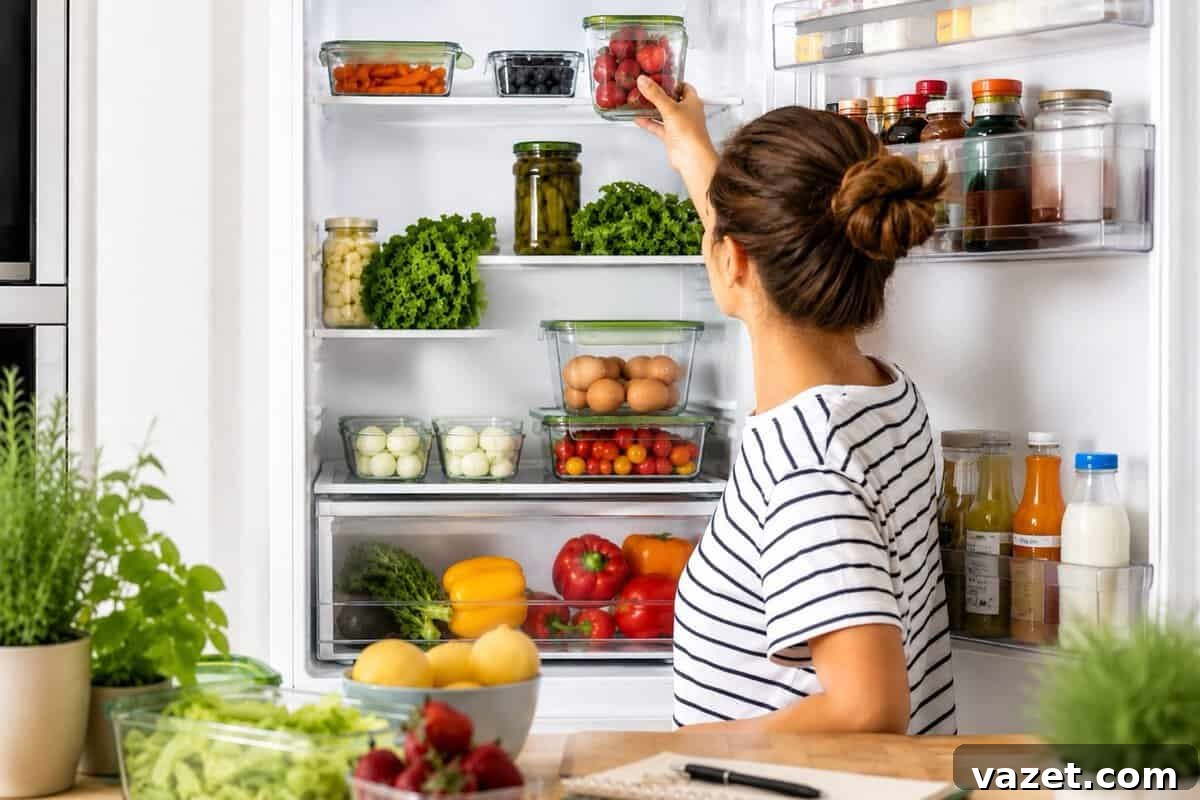
Before you pack your bags for a well-earned vacation, don’t forget one last task: prepare the refrigerator. It’s easy to overlook as you finalize packing and errands, but a little planning now prevents wasted food, wasted money and unpleasant surprises when you return.
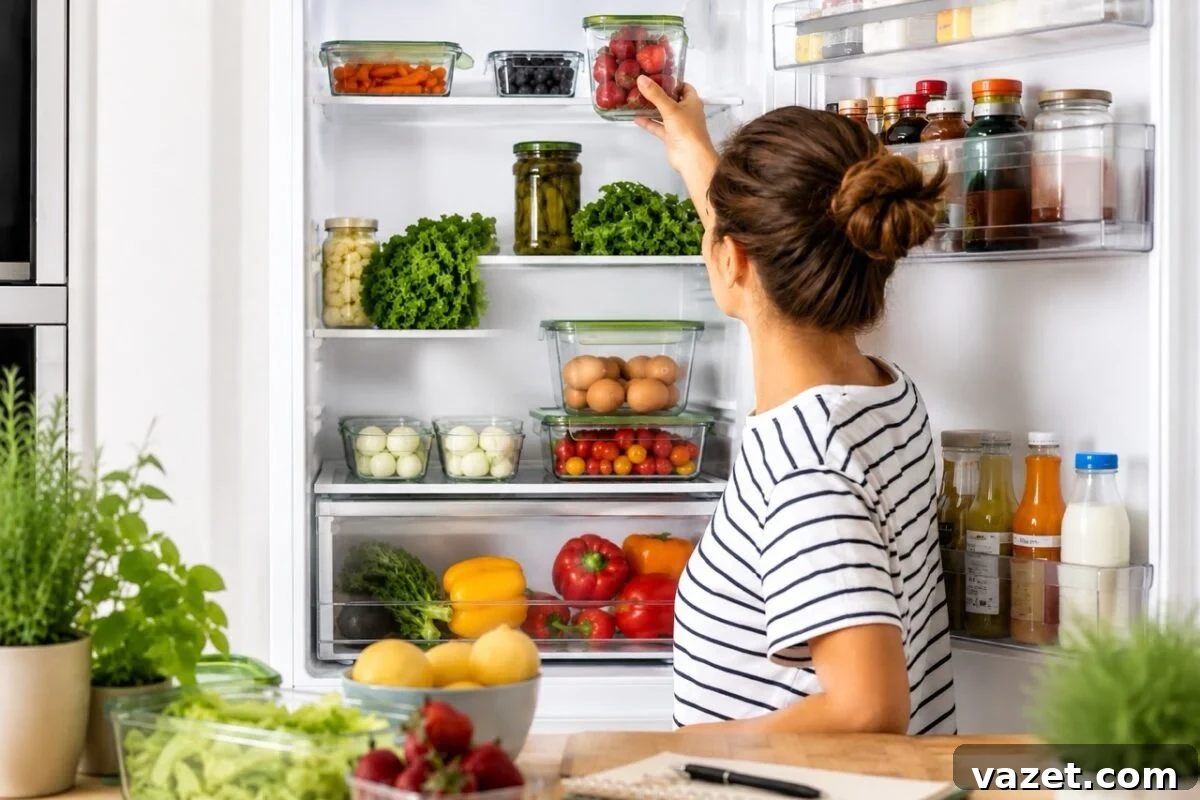
I used to come home from trips, drop my suitcase on the floor and dread opening the fridge. Spinach turned to sludge, unidentifiable leftovers lurked in containers and berries had produced their own tiny science experiment. Now I spend about 20 minutes on the fridge before every trip. It’s not fun, but it makes coming home a lot easier—walking into a clean kitchen instead of a smelly one sets a better tone for reentry into everyday life.
Is this really necessary?
Yes. Leaving perishable items unattended usually leads to spoilage that goes beyond unpleasant smells: it’s throwing money in the trash. A quick fridge check and a few decisions before you leave will reduce waste, keep pests and odors at bay, and make the days after travel less stressful.
What to do with all that food
Facing a fully stocked refrigerator a week before a trip can feel overwhelming. Rather than ignore it, take a few calm steps to sort, plan and act so you don’t return to a mess.
Make a plan
Start about a week before you go. Inventory what will keep versus what needs to be eaten, frozen or discarded. Think about quick meals you can make in the days leading up to departure. Eggs, dairy and most fresh produce are perfect for using up in simple dishes.
Freeze items that will keep well frozen and make a note of what can safely stay until you return. For the last few days before travel, pause any new grocery purchases of highly perishable items unless you have a specific plan to use them. Instead of making several new recipes, build meals around what you already have: a random zucchini, half an onion, leftover rotisserie chicken and a handful of greens can make a satisfying dinner with a bit of creativity.
Toss it
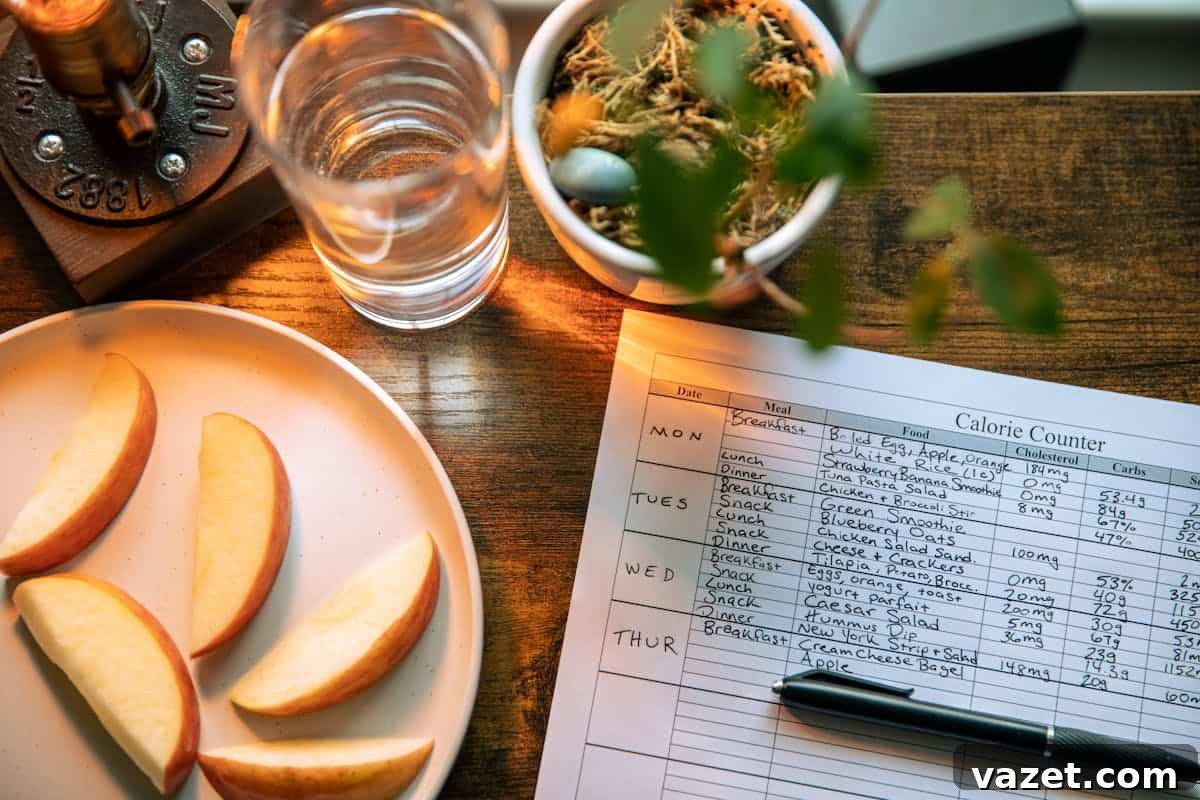
Some items simply can’t be saved: small spoiled leftovers, open containers you won’t use or products already past their prime. It’s fine—better to let them go now than to come home to an odor or mold. Discard anything that looks or smells off, and don’t try to salvage doubtful leftovers.
Share it
If you have unopened items or extras you won’t use—milk, yogurt, soft cheeses or extra produce—offer them to a friend, neighbor or family member. If you have a larger amount of fresh fruit or vegetables, consider donating them to a local food bank that accepts produce. Sharing reduces waste and helps someone else.
Store it
Longer-lasting staples like condiments, butter and many hard cheeses can remain in the fridge. Check expiration or best-by dates and make sure lids are sealed. Root vegetables such as carrots and beets will keep well, and some cruciferous vegetables like cabbage or cauliflower can last several weeks if stored properly. Fresh fruit and leafy greens tend to be the most fragile, so plan to use them first or freeze them if appropriate.
Use it up
When the fridge is full of mismatched ingredients, build meals around what you already have instead of following new recipes. Ideas to use leftovers and near-expiry items:
- Toss vegetables into an omelet or frittata.
- Make a large salad with mixed produce and cooked chicken.
- Blend overripe fruit into smoothies or freeze for later use.
- Turn vegetables into a simple soup.
- Use herbs in pesto or freeze them in olive oil cubes for future meals.
- Stir vegetables into fried rice, tacos or pasta for quick dinners.
The goal isn’t gourmet cooking in the last days before a trip—it’s using what you’ve already paid for so less goes to waste.
Get to work
After sorting, do the practical steps: plan meals for the remaining days, throw away spoiled items, freeze what you can and give away or donate the rest. The sooner you start, the less you’ll waste. While the shelves are partial or empty, take a few extra minutes to wipe down surfaces and clean produce drawers with warm soapy water. Remove sticky spills, discard expired condiments hiding in the back, and replace an open box of baking soda if you use one to control odors.
It doesn’t require a deep clean, but a quick wipe will make the return to your home feel much more pleasant.
Don’t forget the freezer
The freezer is very useful before vacation. Freeze bread, shredded cheese, cooked meats, stocks and even milk if you know you won’t finish them. Many fruits freeze well—bananas, berries, peaches, mango and pineapple are great for smoothies and baking later. Label all frozen items so you (or someone else) will know what’s in each container when you get back.

A quick checklist before you leave
Use this short checklist as a guide. Storage times vary by freshness and how long you’ll be away, but these are dependable rules of thumb.
Foods that usually survive vacation
- Butter
- Mustard
- Ketchup
- Pickles
- Jam
- Hard cheeses
- Carrots
- Beets
- Cabbage
- Cauliflower
Foods to use up first
- Berries
- Leafy greens
- Fresh herbs
- Cucumbers
- Mushrooms
- Milk
- Leftovers
- Cut fruit
- Avocados
Cleaning out the fridge before a trip won’t make your packing more exciting, but it will pay off. Coming home to a clean, fresh refrigerator instead of a science experiment is a quiet but very satisfying end to any vacation.