
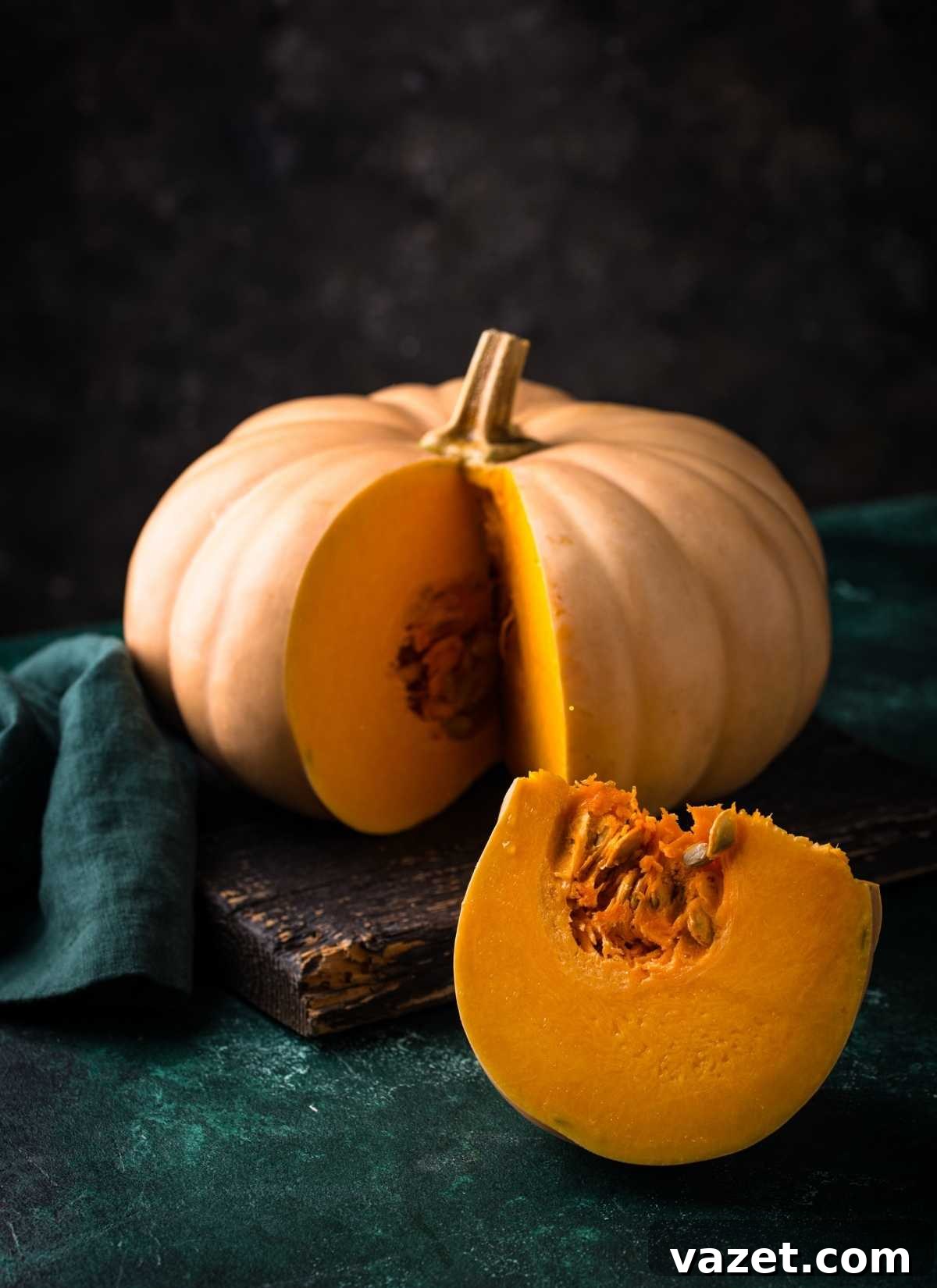
Imagine enjoying the comforting flavors of autumn all year long. With a little preparation, you can easily freeze pumpkin and preserve its vibrant color, sweet flavor, and smooth texture. Freezing pumpkin is a fantastic way to extend the bounty of harvest season, ensuring you always have this versatile ingredient on hand for delicious baked goods, hearty soups, and savory stews. This comprehensive guide will walk you through every step of the process, from choosing the perfect pumpkin to storing it effectively, so you can enjoy the taste of fall whenever inspiration strikes.
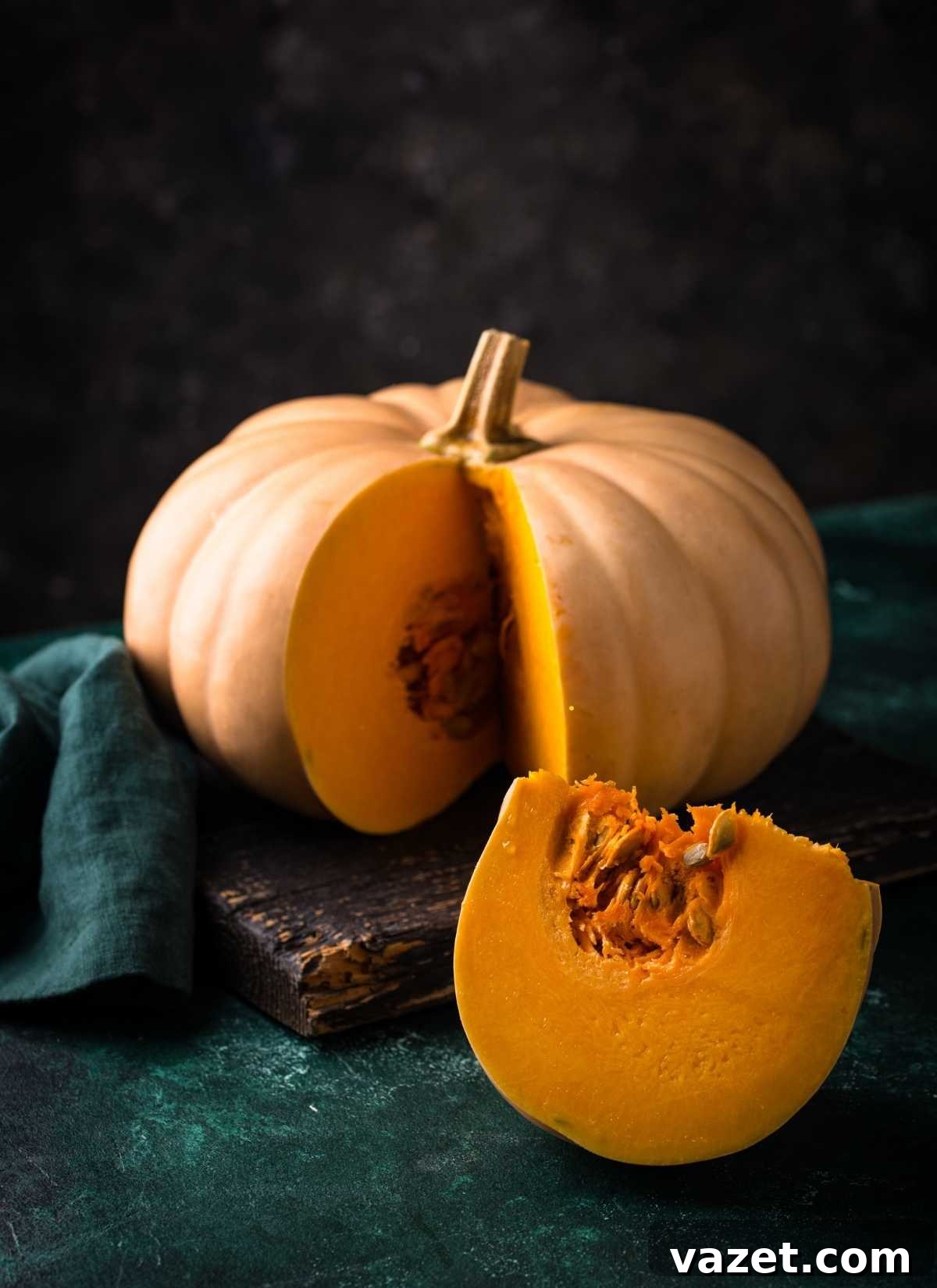
Pumpkin season is a joyous time for many, marked by vibrant displays at farmers’ markets and grocery stores. It’s easy to get carried away and bring home more of these beautiful orange gourds than you can use immediately. Rather than letting them go to waste, freezing offers a simple and effective solution to capture that fresh, seasonal taste for months to come. By dedicating a small amount of time now, you’ll unlock endless culinary possibilities and have a convenient supply of healthy, homemade pumpkin at your fingertips throughout the year.
The process of freezing pumpkin is straightforward, but success hinges on a few key steps: selecting the right variety, properly cooking the flesh, and choosing the ideal storage method. Whether you prefer a smooth puree for baking your favorite pumpkin pie or convenient cubes for adding to a hearty chili, both options store exceptionally well in the freezer and integrate seamlessly into your recipes with minimal fuss. Let’s delve into the details to ensure your frozen pumpkin is nothing short of perfect.
Choosing the Right Pumpkin for Freezing
Not all pumpkins are created equal when it comes to freezing. The key to excellent frozen pumpkin lies in selecting varieties specifically bred for cooking and baking. These tend to be smaller, sweeter, and have denser flesh, which translates to superior flavor, color, and texture once thawed. Look for “sugar pumpkins,” “pie pumpkins,” or other similarly labeled cooking pumpkins. Varieties like ‘Dickinson’ or ‘New England Pie’ are excellent choices, offering a rich, naturally sweet flavor and a vibrant orange hue that holds up beautifully in storage. Their flesh is less stringy and watery, ensuring a smooth consistency after thawing, making them ideal for purees and soups.
Conversely, the large carving pumpkins you typically see around Halloween are generally not suitable for freezing. These varieties are cultivated primarily for their size and shape, often at the expense of flavor and texture. Their flesh tends to be stringy, watery, and bland, and they can yield a gritty or unappetizing result when frozen and thawed. Save these giants for crafting festive jack-o’-lanterns or as treats for your backyard chickens, and always opt for the smaller, denser cooking pumpkins when your goal is to preserve them for culinary use. Prioritizing the right pumpkin variety from the start is the first and most crucial step toward a successful freezing endeavor.
Essential Preparation Steps Before Freezing
Proper preparation is paramount to ensure your frozen pumpkin retains its quality, flavor, and texture. A little effort upfront will significantly enhance your experience when you eventually use the pumpkin later on. These simple, yet vital, steps ensure the pumpkin is ready for long-term storage and can be easily incorporated into any recipe.
Clean, Halve, and Seed Your Pumpkin
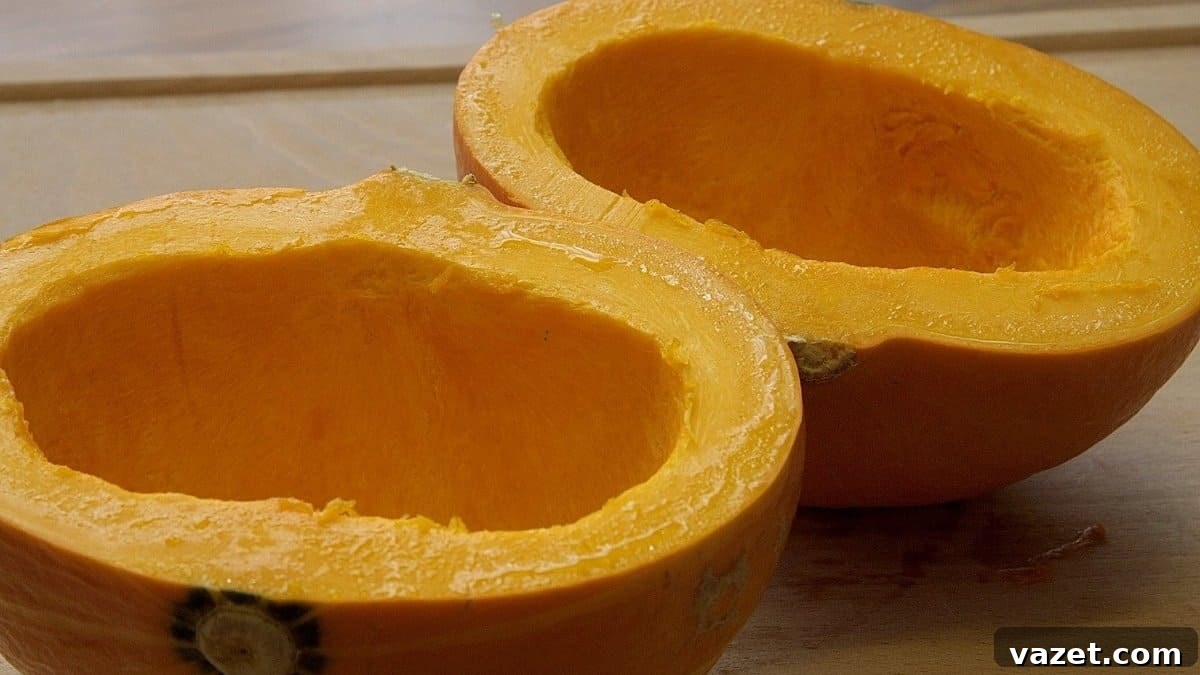
Begin by thoroughly washing the exterior of the pumpkin under cool running water to remove any dirt or debris. Once clean, place the pumpkin on a sturdy cutting board. Using a large, sharp knife, carefully cut the pumpkin in half. Depending on the size of your pumpkin, you might need to cut it into quarters for easier handling. Next, scoop out all the seeds and fibrous strands from the cavity. Don’t discard the seeds! They can be easily cleaned, tossed with a little oil and salt, and roasted for a delicious and nutritious snack. After removing the seeds and fibers, gently pat the cut surfaces of the pumpkin dry with a paper towel. This step helps prevent excess moisture from steaming the flesh during cooking, which can sometimes lead to a slightly watery final product.
Cook the Pumpkin Flesh Until Tender
It is absolutely crucial to cook your pumpkin before freezing. Raw pumpkin flesh becomes stringy, mushy, and unpalatable once it has been frozen and thawed. Cooking transforms the texture, making it smooth and tender, perfect for a variety of dishes. You have two excellent methods to choose from: roasting or steaming.
- Roasting: This method is highly recommended for intensifying the pumpkin’s natural sweetness and flavor. Preheat your oven to 400°F (200°C). Place the pumpkin halves or quarters cut-side down on a baking sheet lined with parchment paper. You can add a small amount of water to the baking sheet to create some steam, or simply roast them dry. Roast for 45-60 minutes, or until the flesh is easily pierced with a fork and slightly caramelized around the edges. Roasting concentrates the sugars, yielding a richer, deeper flavor.
- Steaming or Boiling: If you prefer a lighter, more consistent texture, steaming or boiling are good alternatives. Cut the pumpkin flesh into smaller, even-sized pieces after peeling (optional, but makes pureeing easier). Steam the pieces in a steamer basket over boiling water for 15-20 minutes, or until fork-tender. Alternatively, boil the pieces in lightly salted water for 10-15 minutes until tender. While these methods are quicker, they can introduce more moisture into the pumpkin, which might require draining later if you’re making a puree.
Regardless of the method, ensure the pumpkin is cooked until it is completely fork-tender. Once cooked, let the pumpkin cool slightly before handling.
Puree or Cube: Tailoring to Your Culinary Needs
After your pumpkin is cooked and cooled, it’s time to decide how you want to prepare it for freezing. This choice largely depends on its intended use in future recipes.
- For Puree: If you plan to use the pumpkin for baking items like moist savory pumpkin scones, creamy pumpkin pies, fluffy muffins, or comforting quick breads, then a smooth puree is ideal. Simply scoop the cooked pumpkin flesh from its skin and transfer it to a food processor or a high-speed blender. Process until completely smooth, scraping down the sides as needed. If the puree seems too thick, you can add a tablespoon of water at a time until it reaches your desired consistency. Avoid adding too much liquid, as this can lead to a watery result when thawed.
- For Cubes: For savory applications such as hearty soups, robust stews, or roasting as a side dish, retaining the pumpkin in cube form is best. After cooking, carefully peel the skin from the pumpkin flesh (it should come off easily). Then, cut the cooked flesh into uniform cubes, typically 1/2 to 1-inch in size. Uniformity is important here, as it ensures even freezing and consistent reheating, preventing some pieces from becoming mushy while others are still firm.
How to Freeze Pumpkin Puree Effectively
Freezing pumpkin puree is incredibly convenient for a multitude of recipes, including quick breads like this seasonal favorite pumpkin banana chocolate chip bread, fluffy pumpkin muffins, delicious pumpkin pancakes, and as a base for creamy soups. The key to successful freezing and easy future use is proper cooling, portioning, and labeling. Always ensure the puree has cooled completely to room temperature before packing to prevent ice crystal formation and maintain optimal texture. Once cooled, measure out your desired portions and label each container with the date and the exact amount (e.g., “1 cup pumpkin puree – Oct 2025”) so you can easily grab the right quantity for any recipe.
Consider these effective methods for freezing pumpkin puree:
- Freezer-Safe Containers: Spoon the cooled puree into rigid, airtight freezer-safe containers. Leave about half an inch of headspace at the top to allow for expansion as the puree freezes. These containers offer excellent protection against freezer burn and are reusable.
- Zip-Top Freezer Bags: This method is highly efficient for space-saving. Spoon the desired portion of puree into a heavy-duty zip-top freezer bag. Lay the bag flat and press out as much air as possible before sealing. Flattening the puree into a thin, even layer helps it freeze faster and stack neatly in your freezer, maximizing storage space.
- Silicone Molds or Ice Cube Trays: For ultimate portion control, especially for smaller quantities needed for smoothies or single-serving recipes, freeze puree in silicone muffin molds or ice cube trays. Fill the molds, freeze until solid, then pop out the frozen portions. Transfer these solid pumpkin blocks into a larger, labeled zip-top freezer bag for long-term storage. This method is perfect for adding directly to smoothies like a gut-healing pumpkin papaya smoothie or a simple 5-ingredient pumpkin banana smoothie.
How to Freeze Pumpkin Cubes for Savory Dishes
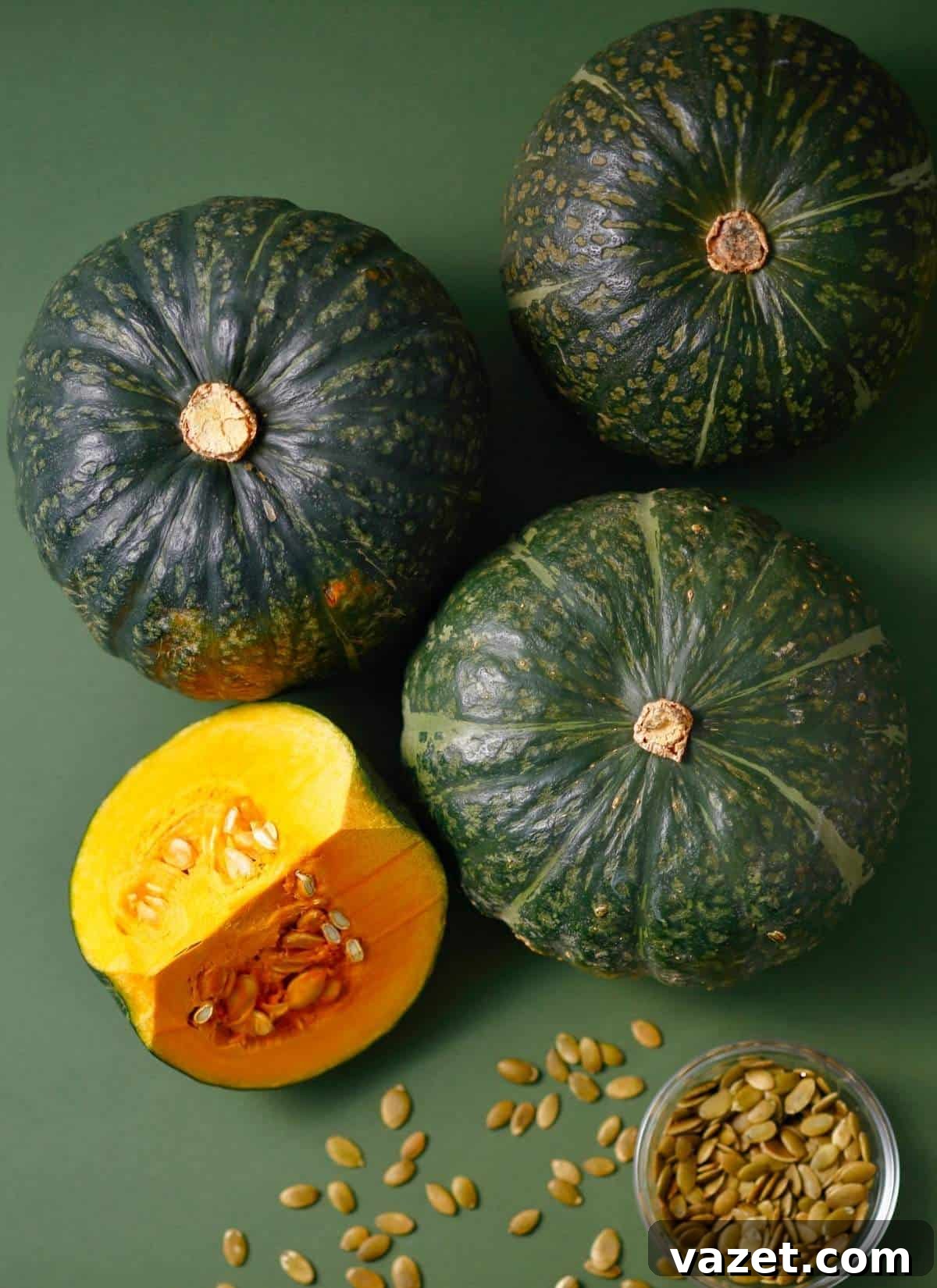
Cubed pumpkin is wonderfully versatile and ideal for recipes where you want distinct pieces of pumpkin, such as roasting, adding to savory curries, enhancing hearty stews, or in any dish that calls for similarly prepared squash, like this flavorful kabocha squash chili. The key to successfully freezing pumpkin cubes is preventing them from clumping together into a solid block, which makes portioning difficult. This is achieved through a process called “flash freezing.”
First, ensure your cooked and cut pumpkin cubes have cooled completely to room temperature. Next, arrange the cooled cubes in a single layer on a baking sheet lined with parchment paper or a silicone mat. Make sure the cubes are not touching each other, as this is critical for preventing them from freezing together. Place the entire baking sheet into the freezer and flash freeze until the cubes are solid, usually about 2-4 hours, depending on their size.
Once the pumpkin cubes are thoroughly frozen and firm, transfer them from the baking sheet into a heavy-duty zip-top freezer bag or an airtight freezer-safe container. Press out as much air as possible from the bag before sealing. This extra flash-freezing step ensures that each cube remains separate, making it incredibly easy to scoop out exactly the amount you need for your recipe without having to thaw or break apart a large frozen mass. Properly frozen pumpkin cubes can be added directly to simmering dishes, making meal prep a breeze.
Defrosting and Using Your Frozen Pumpkin
Once you’ve perfectly frozen your pumpkin, knowing how to defrost and use it effectively is the next step to enjoying its goodness. The method of thawing often depends on how you plan to incorporate it into your cooking.
- For Pumpkin Puree:
- Refrigerator Thawing: The best method for a smooth, even texture is to transfer the frozen pumpkin puree to the refrigerator overnight. This slow thaw helps maintain its consistency.
- Direct to Heat: For convenience, you can add frozen pumpkin puree directly to hot soups, stews, or chili bases. Simply stir constantly until it fully melts and blends into the dish.
- Microwave Thawing: If you’re short on time, use the microwave on a low power setting. Thaw in short bursts (30-60 seconds), stirring well between each interval to ensure even thawing and prevent overheating.
- Smoothies: Small frozen portions of pumpkin puree, like those from silicone trays, can be added directly to your blender for a thick, cold, and nutritious smoothie.
- For Pumpkin Cubes:
- Direct to Cooking: Most often, frozen pumpkin cubes do not require thawing. They can be added directly to simmering stews, curries, or roasted vegetables. Simply extend the cooking time slightly to account for the frozen state.
- Roasting: If roasting frozen cubes, spread them on a preheated baking sheet with a little oil. This helps them caramelize beautifully rather than just steaming.
- Soups and Broths: Add frozen cubes straight into a simmering pot of broth or soup; they will soften as they cook, releasing their flavor and tenderizing into the dish.
Whether you’re making a batch of pumpkin papaya smoothie or a classic pie, understanding these defrosting techniques will ensure your frozen pumpkin always performs at its best.
Optimal Storage and Quality Preservation Tips
To maximize the lifespan and quality of your frozen pumpkin, a few critical storage practices are essential. These tips help prevent freezer burn, maintain flavor, and ensure your pumpkin remains delicious for months.
- Cool Completely Before Freezing: Always allow your cooked pumpkin (whether pureed or cubed) to cool completely to room temperature before placing it in the freezer. Freezing warm food can raise the internal temperature of your freezer, potentially thawing other items, and leads to excessive condensation and ice crystal formation inside the pumpkin packaging, which contributes to freezer burn.
- Portion Smartly: Pack pumpkin in shallow, manageable portions. Smaller, flatter portions freeze more quickly and thaw faster, which helps preserve the texture. A one-cup portion is often ideal for many recipes.
- Eliminate Air: Air is the enemy of frozen food, as it causes freezer burn, leading to dry, discolored, and flavorless pumpkin. When using freezer bags, press out as much air as possible before sealing. For containers, choose sizes that fit your pumpkin snugly, minimizing any air pockets. Vacuum sealing is the gold standard for air removal if you have the equipment.
- Use Proper Containers: Always use freezer-specific bags or containers. These are designed to withstand freezing temperatures without becoming brittle and offer better protection against moisture loss.
- Label Clearly: Label every package with the date and content. This helps you track shelf life and easily identify what you need.
- Maintain a Steady Temperature: Keep your freezer at a consistent temperature of 0°F (-18°C) or colder. Frequent opening of the freezer door or fluctuations in temperature can degrade food quality.
- Shelf Life: For best quality, use frozen pumpkin within three to six months. While it may remain safe to eat for longer, its flavor and texture can begin to diminish after this period.
“I like to freeze pumpkin in one-cup portions so it is ready to go for baking or soups. I use freezer bags laid flat so they stack neatly and thaw quickly. That also makes it easy to thaw just what I need for bread, muffins, or soup any time of year without having to open a whole can!”
— Kristin King, Dizzy Busy and Hungry
Troubleshooting Common Issues with Frozen Pumpkin
Even with careful preparation, you might encounter a few common issues when using frozen pumpkin. Here’s how to troubleshoot them:
- Watery Puree After Thawing: It’s not uncommon for thawed pumpkin puree to release some excess liquid, especially if it was steamed or boiled before freezing. To fix this, place the thawed puree in a fine-mesh strainer lined with cheesecloth or a coffee filter and let it sit for 15-30 minutes to drain the extra liquid. Gently press on the puree with the back of a spoon to encourage draining. This will result in a thicker, more concentrated puree perfect for baking.
- Pumpkin Cubes Release Too Much Water When Roasted: If your frozen pumpkin cubes turn out steamed and mushy in the oven instead of caramelized, it’s often due to excess moisture. To prevent this, blot the thawed or semi-thawed cubes dry with a paper towel before roasting. Toss them lightly with a small amount of oil and spread them in a single layer on a preheated baking sheet. The hot pan will help them sear and caramelize faster, preventing them from stewing in their own juices.
- Frost or Ice Crystals Inside the Package (Freezer Burn): If you notice a significant amount of frost or ice crystals on your frozen pumpkin, or if the pumpkin itself appears dry, discolored, or has a strange odor, it’s a sign of freezer burn. This usually means air has entered the packaging, or the freezer temperature has fluctuated. While freezer-burned pumpkin is generally safe to eat, its quality and flavor will be compromised. If only a small area is affected, you can trim it away. For heavily freezer-burned pumpkin, it’s best to discard it. To prevent this, always ensure your packaging is airtight, remove as much air as possible, and maintain a consistent freezer temperature. If you spot minor freezer burn, repackage the remaining pumpkin tightly and plan to use it as soon as possible.
Creative Ideas for Using Your Frozen Pumpkin
Having a stash of frozen pumpkin makes weeknight cooking and weekend baking effortlessly easy. Its versatility allows it to shine in both sweet and savory dishes. Here are numerous simple and creative ways to incorporate your frozen pumpkin into everyday meals:
- Delicious Breakfast Boosts:
- Smoothies: Blend thawed puree or small frozen cubes with milk (dairy or non-dairy), banana, a touch of maple syrup, and a pinch of cinnamon and nutmeg for a healthy, creamy breakfast smoothie.
- Oatmeal: Stir a spoonful of pumpkin puree into your morning oatmeal along with maple syrup, brown sugar, or honey. Top with nuts or seeds for added texture.
- Pancakes & Waffles: Substitute a portion of the liquid in your favorite pancake or waffle batter with pumpkin puree for a festive twist.
- Savory Lunch & Dinner Enhancements:
- Soups and Stews: Add frozen pumpkin cubes directly to coconut curry, black bean chili, vegetable soup, or a lentil stew. Puree can also thicken and enrich creamy squash or chicken soup bases.
- Sauces: Whisk pumpkin puree into a quick marinara sauce or a cheese sauce for pasta to add extra body, nutrients, and a subtle sweetness.
- Side Dishes: Roast frozen pumpkin cubes with other root vegetables, herbs, and olive oil for a simple and flavorful side dish.
- Curries: Pumpkin pairs beautifully with Indian and Thai curries, adding a sweet, earthy depth.
- Baked Goods & Desserts:
- Breads & Muffins: Bake classic pumpkin bread, moist pumpkin banana muffins, or savory pumpkin scones.
- Cookies & Bars: Incorporate pumpkin puree into your favorite cookie recipes or use it as the base for pumpkin bars with cream cheese frosting.
- Pies: Homemade pumpkin puree is the star of a classic pumpkin pie.
- Sweet Treats: Make pumpkin biscotti, trifles, or even a simple pumpkin pudding.
- Drinks:
- Pumpkin Spice Lattes: Blend puree with coffee, milk, and spices for a homemade version of this popular seasonal drink.
Make Fall Flavor Last All Year with Frozen Pumpkin
Embracing the simple art of freezing pumpkin is a truly rewarding endeavor. While it requires a little extra time and effort upfront, the dividends pay off for many months, allowing you to savor the rich, comforting flavors of autumn long after the season has passed. Whether you meticulously prepare it as a velvety smooth puree for your cherished baking recipes or as convenient, ready-to-use cubes for robust savory dishes, your freezer becomes a treasure trove of wholesome, homemade pumpkin. With these straightforward steps and practical tips, you can confidently preserve your pumpkin, ensuring it’s always at hand for delectable soups, wholesome breads, indulgent desserts, and so much more. Enjoy the year-round luxury of fresh pumpkin flavor, straight from your freezer to your table.