
Freezing cheese sparks strong opinions. Some people freeze it regularly, while others insist it ruins the texture. The truth is practical: whether you should freeze cheese depends on the type of cheese and how you intend to use it.
Freezing can change texture but does not make cheese unsafe to eat. If you want perfect slices for a cheese board, frozen cheese is usually not ideal. If you plan to use cheese in casseroles, soups, pizza or other cooked dishes, freezing can save money and reduce waste.
What freezing does to cheese
Freezing affects the moisture inside cheese. As water freezes, it expands and forms ice crystals that can disrupt the cheese’s structure. That’s why thawed cheese often feels crumbly or slightly grainy. Fat content influences the result, but moisture is the main factor.
The good news is flavor generally survives freezing. Most cheeses will still taste like themselves after thawing; they simply may not slice or melt the same way they did fresh.
Cheeses that freeze well
Cheeses with lower moisture tend to tolerate freezing better. Firmer cheeses usually only experience minor texture changes and still perform well in cooked dishes.
Hard cheeses
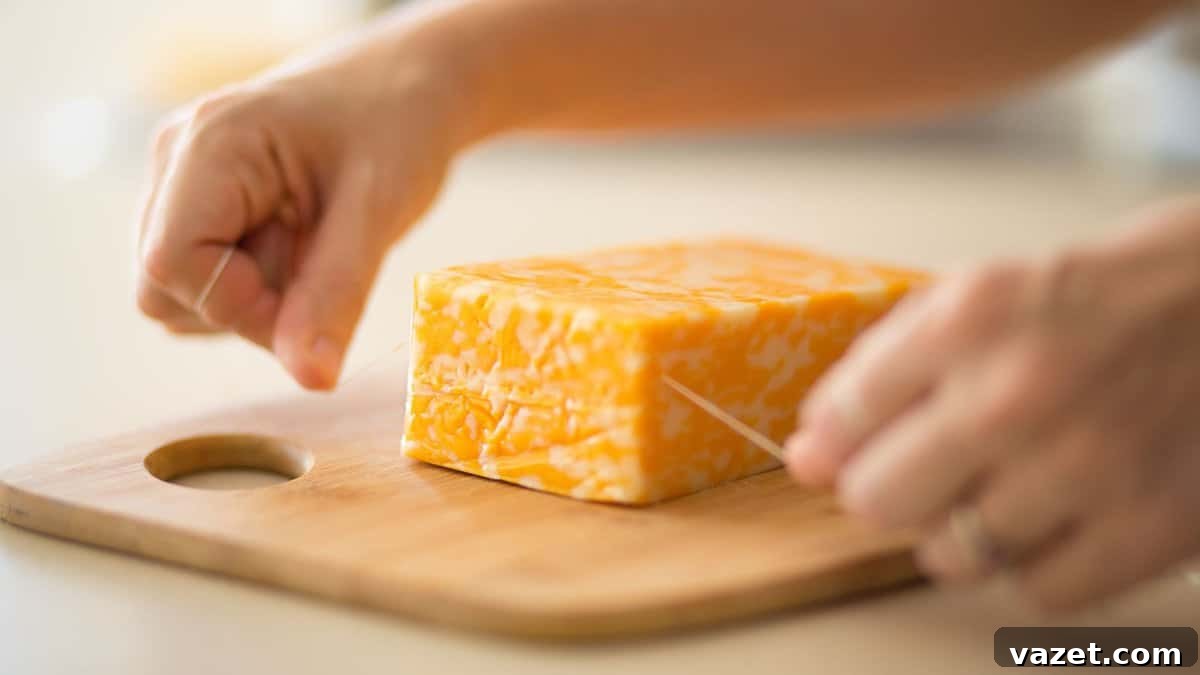
Cheddar, Colby, Swiss and Parmesan freeze well because they contain less water, so fewer damaging ice crystals form. After thawing they may crumble more but retain their flavor. Parmesan is particularly freezer-friendly: both blocks and grated Parmesan can be frozen and used directly from the freezer in many recipes.
Semi-hard cheeses
Monterey Jack, low-moisture block mozzarella and provolone also handle freezing nicely. They may become slightly softer or a bit crumblier after thawing but still melt well in casseroles, sauces and baked dishes. Low-moisture mozzarella is especially reliable in oven-baked meals where texture changes are less noticeable.
Cheeses that do not freeze well
High-moisture, delicate cheeses are more likely to turn grainy, watery or separated after thawing.
Soft cheeses
Cream cheese, ricotta, cottage cheese, Brie and Camembert generally don’t freeze well. Their structure and high moisture cause separation and water release during thawing, leading to grainy or curdled textures. Cream cheese can appear curdled, ricotta may become watery, and soft-ripened cheeses can lose their smoothness.
Fresh cheeses
Fresh mozzarella and soft goat cheese logs are also poor candidates for freezing unless they will be fully cooked later, in which case changes in texture are still likely.

Best methods for freezing cheese
Treat freezing cheese like meal prep rather than long-term storage of one large block. Limit air exposure and freeze in portions you’ll actually use so items thaw quickly and maintain better texture. These steps help prevent freezer burn and reduce crumbling after thawing.
Portion cheese into recipe-sized amounts. Cut blocks into small chunks or shred the amounts you typically use, wrap tightly in plastic wrap, and place into a freezer bag or airtight container. Label packages with the cheese type, portion size and date. Avoid refreezing, as repeated freezing worsens texture changes.
Freezing shredded cheese
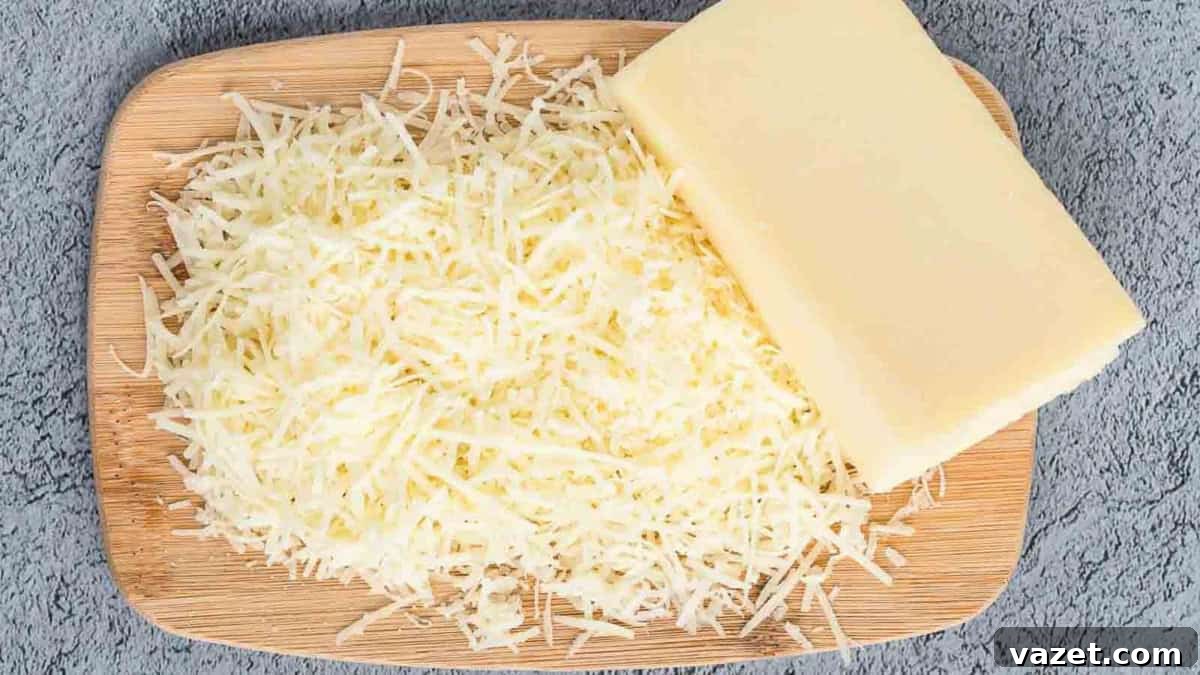
Shredded cheese freezes very well. Store-bought shredded cheese often contains anti-caking agents that help it freeze and thaw without clumping, though those additives can affect performance in some recipes. If you shred your own cheese, it may clump more after thawing; tossing it lightly with a small amount of cornstarch or flour can reduce clumping when the cheese will be cooked.
Freeze shredded cheese in flat freezer bags so it thaws quickly and evenly, and so bags are easy to stack and store.
“We usually buy the big blocks of Parmesan and shred them in the food processor, and I almost always end up with extra. I freeze about half in a zip-top bag for a month or two, and it’s ready to grab whenever I need a handful. I also cut the Parmesan rind into smaller pieces and freeze those in a separate bag so I can toss one into soups later, especially minestrone or veggie soup.”
— Casey Rooney, Get On My Plate
Buying large blocks at warehouse stores often makes freezing practical. Portioning and freezing extra cheese prevents waste and keeps quality from declining in the refrigerator.
How long cheese can stay frozen
Most cheeses maintain acceptable quality for several months in the freezer, though texture and melting behavior decline over time. How well cheese is wrapped and protected from air matters more than the precise duration.
- Most cheeses keep best for two to six months.
- Longer storage further affects texture and melting quality.
- Good wrapping and airtight packaging reduce freezer burn and preserve quality.
How to thaw cheese properly
Thaw cheese in the refrigerator to limit moisture loss and preserve texture. Slow thawing reduces condensation and prevents sogginess. Avoid thawing at room temperature. Some shredded or grated cheeses can be used directly from frozen in cooked dishes such as soups, casseroles and baked meals.
Can you freeze cheese that’s already opened?
Yes. Freezing opened cheese is often the most sensible option. If a partial block or leftover shredded cheese won’t get used soon, wrap it tightly and freeze it while it still looks and smells fresh. This is frequently better than allowing it to dry out in the back of the refrigerator.
Best uses for frozen cheese
Frozen or thawed cheese performs best in cooked recipes where melting masks textural changes: casseroles, sauces, soups, mac and cheese and grilled cheese sandwiches are ideal. Pizza is another excellent use for frozen cheese, as melting and baking smooth out any difference in texture.

Takeaway
Freezing cheese is a useful strategy for cooks who want to reduce waste and save money. Stick to cheeses that tolerate freezing—hard and many semi-hard varieties—and plan to use them in cooked dishes where texture matters less. For shredded Parmesan, cheddar, low-moisture mozzarella and similar cheeses, freezing is a practical and convenient option.