
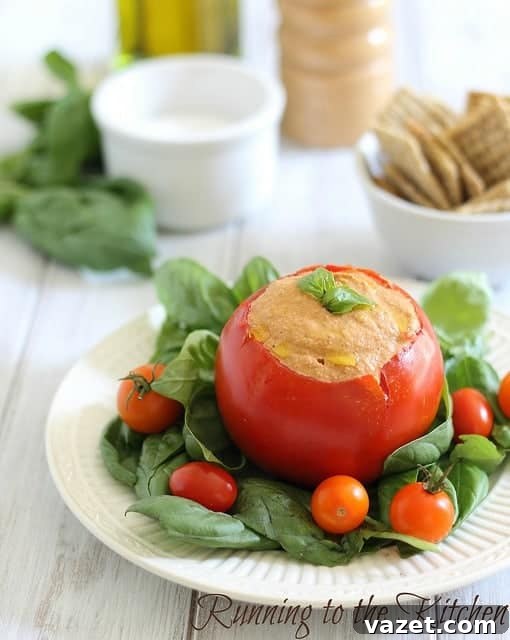
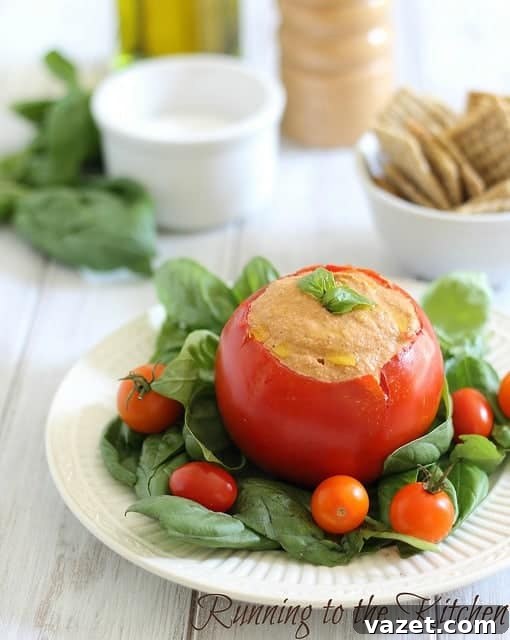
This paleo-friendly roasted tomato cashew hummus is a revelation: incredibly creamy and decadently flavorful, all without a single bean in sight. It’s a perfect solution for anyone following a paleo lifestyle or simply seeking a delicious, wholesome dip alternative.
Roasted Tomato Cashew Hummus: Your Ultimate Paleo & Bean-Free Dip
For many, the idea of living without hummus is akin to culinary sacrilege. That rich, savory, and wonderfully creamy dip is a staple in kitchens worldwide, often serving as a healthy conduit for enjoying fresh vegetables or spreading on a favorite bread. But what happens when dietary choices, like embracing a paleo or Specific Carbohydrate Diet (SCD) lifestyle, mean waving goodbye to legumes? For me, this was the central dilemma during a recent dietary experiment. After just a couple of weeks of strict adherence – saying no to dairy, legumes, and most sugars (with only minor, accidental cheats like a bite of an apple cider donut or a single triscuit) – two things became abundantly clear:
- Dairy and I might not be the inseparable best friends I once imagined. The noticeable reduction in bloating alone suggested a significant improvement, even with a fridge full of Greek yogurt tempting me daily.
- I desperately missed hummus. A lot. Like, a lot a lot.
The “no legumes” rule in paleo can be a perplexing one for many. While advocates often cite the presence of phytates – compounds believed to interfere with nutrient absorption – as a key reason, the historical context can feel a bit murky. Did ancient cavemen truly distinguish between phytate-rich and phytate-free foods? It’s a question that often crosses my mind, and one for which I still seek a more comprehensive understanding. Regardless of the underlying scientific debate, sticking to the rules for a month meant finding a viable and equally satisfying alternative for my beloved afternoon snack.
Hummus wasn’t just a snack; it was my effortless pathway to incorporating more vegetables into my day without the monotony of plain raw crunching. The need for a replacement that was both compliant and genuinely enjoyable was immediate and pressing. And that’s where the humble cashew steps onto the stage.
The Secret Ingredient: Cashews for Unbelievable Creaminess

When properly prepared, cashews possess a remarkable quality that makes them an ideal substitute for chickpeas in a hummus recipe. The magic truly begins with soaking them. By allowing cashews to soak in water for at least three hours, they transform from firm, crunchy nuts into wonderfully soft, plump kernels. This hydration process is crucial; it not only makes them easier to blend but also gives them a texture surprisingly similar to cooked beans. Once they’re introduced to the whirring blades of a food processor, these softened cashews yield an astonishingly smooth, rich, and creamy base – mimicking the luxurious consistency of traditional hummus with impressive accuracy.
Beyond their textural genius, cashews also bring a host of nutritional benefits to this bean-free dip. They are a good source of healthy monounsaturated fats, which are known to support heart health. Cashews also provide essential minerals like magnesium, zinc, and copper, contributing to bone health, immune function, and energy production. Their naturally mild, slightly sweet flavor also serves as an excellent canvas for the vibrant additions of roasted tomatoes, garlic, and fresh basil.
A Symphony of Flavors: The Magic of Roasted Tomatoes and Garlic
While cashews provide the luscious foundation, it’s the interplay of roasted tomatoes, garlic, and fresh herbs that truly elevates this dip to gourmet status. Roasting vegetables is a simple yet transformative culinary technique. When plum tomatoes are quartered and roasted, their natural sugars caramelize, intensifying their sweetness and depth of flavor. The high heat also slightly chars the edges, adding a smoky, complex note that can’t be achieved with raw tomatoes. This rich tomato essence becomes the bright, tangy heart of our cashew hummus.
Equally vital is the roasted garlic. Unlike raw garlic, which can be pungent and sharp, roasting mellows its intensity, transforming it into a sweet, earthy, and incredibly aromatic component. Encased in foil with a drizzle of olive oil, the garlic cloves soften and brown, releasing their irresistible fragrance. This mellowed garlic infuses the hummus with a warmth and complexity that is utterly addictive.
Finally, fresh basil ties all these elements together with its vibrant, peppery, and slightly sweet aroma. Paired with a touch of balsamic vinegar, which adds a subtle tang and boosts the overall savory profile, the basil creates a harmonious blend of Mediterranean-inspired flavors that perfectly complements the rich cashew base and sweet roasted vegetables. The result is a dip that is not only paleo-friendly but also bursting with fresh, wholesome taste.
Roasted Tomato Cashew Hummus
- By: Gina Matsoukas
- Servings: 4 servings
- Prep Time: 5 mins
- Cook Time: 25 mins
- Total Time: 30 mins
Print Recipe

This paleo-friendly roasted tomato cashew hummus is creamy and decadent without the beans.
Ingredients
- 4 plum tomatoes, quartered
- 2 cloves garlic
- 2 tablespoons extra virgin olive oil, divided
- ½ tablespoon honey
- Salt & pepper to taste
- 1 cup cashews, soaked in water for at least 3 hours
- 1 tablespoon tahini
- ¼ cup packed basil leaves
- ½ tablespoon balsamic vinegar
Instructions
- Preheat oven to 400 degrees Fahrenheit (200°C) and lightly grease a baking sheet.
- In a large bowl, toss the quartered plum tomatoes with 1 tablespoon of olive oil, honey, and a generous pinch of salt & pepper. Spread the seasoned tomatoes out evenly onto the prepared baking sheet.
- Cut off the tips of the garlic cloves, drizzle them with a small amount of olive oil, and wrap them securely in aluminum foil. Place the foil-wrapped garlic on the same baking sheet with the tomatoes.
- Roast in the preheated oven for 25 minutes, or until the tomatoes are slightly softened and caramelized, and the garlic is tender. Remove from the oven and set aside to cool for 10 minutes.
- While the roasted vegetables cool, drain the soaked cashews thoroughly. Place the drained cashews into a food processor and process for about 1-2 minutes until they form a smooth, creamy paste.
- Add all remaining ingredients to the food processor: the cooled roasted tomatoes and garlic (squeezing the soft garlic out of its skin), the remaining 1 tablespoon of olive oil, tahini, packed basil leaves, and balsamic vinegar. Process for another minute until all ingredients are fully incorporated and the mixture is completely smooth, stopping to scrape down the sides of the bowl as needed.
- Taste the hummus and season with more salt & pepper as desired. Serve immediately or refrigerate for later enjoyment.
Nutrition
Nutrition information is an approximation and should be used as a guideline.
- Serving: 1 serving
- Calories: 286 kcal
- Carbohydrates: 16g
- Protein: 7g
- Fat: 23g
- Saturated Fat: 4g
- Polyunsaturated Fat: 4g
- Monounsaturated Fat: 14g
- Sodium: 9mg
- Potassium: 391mg
- Fiber: 2g
- Sugar: 6g
- Vitamin A: 598 IU
- Vitamin C: 10mg
- Calcium: 30mg
- Iron: 3mg
Additional Info
- Course: Appetizers
- Cuisine: American
Serving Suggestions: Beyond the Crudités
This Roasted Tomato Cashew Hummus is incredibly versatile and can be enjoyed in numerous ways, extending far beyond the traditional pairing with pita bread (which, of course, isn’t paleo-friendly anyway!). Here are some creative ideas to incorporate this flavorful dip into your healthy eating routine:
- Classic Dipping: Serve with an array of paleo-friendly raw vegetables like cucumber slices, bell pepper strips (red, yellow, orange), carrot sticks, celery stalks, jicama, or radishes.
- Spreads and Wraps: Use it as a vibrant, creamy spread for lettuce wraps, gluten-free sandwiches, or paleo bread. It’s also fantastic on top of sliced avocado.
- Protein Enhancer: Dollop a generous spoonful onto grilled chicken, baked fish, or roasted sweet potatoes for an added layer of flavor and moisture.
- Salad Dressing Base: Thin it out with a little extra olive oil or water to create a creamy, flavorful salad dressing that will elevate any green salad.
- Savory Bowls: Add it to grain bowls or Buddha bowls with roasted vegetables and a protein source for a satisfying and nutritious meal.
- Alternative “Fries” Dip: Pair it with baked sweet potato fries, zucchini fries, or even jicama fries for a healthy and satisfying snack.
Its rich flavor profile makes it a delightful addition to almost any savory dish where you might typically use a creamy dressing or condiment.
Tips for the Best Cashew Hummus
Achieving the perfect consistency and flavor for your Roasted Tomato Cashew Hummus is surprisingly straightforward, but a few key tips can make all the difference:
- Soaking is Non-Negotiable: Do not skip the soaking step for your cashews. This is absolutely essential for achieving that silky-smooth texture. At least 3 hours is recommended, but overnight soaking (8-12 hours) will yield an even softer, creamier result. If you’re in a hurry, you can quick-soak them by covering them with boiling water for about 30 minutes, then draining thoroughly.
- Don’t Rush the Roasting: The roasting process is where the magic happens for the tomatoes and garlic. Allow them to get nicely caramelized and tender. This deepens their flavor profile significantly, contributing to the rich taste of the hummus.
- Blend Until Perfectly Smooth: Cashews can take a bit longer than chickpeas to break down completely. Be patient and allow your food processor to run for the full 1-2 minutes for the initial cashew processing, and then again after adding the other ingredients. Scrape down the sides of the bowl frequently to ensure everything is evenly incorporated.
- Adjust Consistency to Your Liking: If your hummus is too thick after blending, you can thin it out with a tablespoon or two of water, a splash of additional extra virgin olive oil, or even a bit of fresh lemon juice for extra brightness. Add gradually until you reach your desired consistency.
- Taste and Season: Always taste your hummus before serving and adjust the salt, pepper, and balsamic vinegar as needed. Personal preference plays a huge role in dips, so don’t be afraid to tweak the seasonings. A tiny pinch of red pepper flakes can also add a subtle kick if you enjoy a little heat.
- Storage: Store any leftover cashew hummus in an airtight container in the refrigerator for up to 3-5 days. The flavors may even deepen slightly overnight.
Frequently Asked Questions (FAQ)
Is this really hummus if it doesn’t contain chickpeas?
While traditional hummus is made from chickpeas (garbanzo beans), the term “hummus” has evolved to describe a creamy, savory dip. This cashew version offers the same beloved texture and versatility as traditional hummus but uses cashews as its base, making it suitable for paleo, bean-free, or grain-free diets. It’s a delicious and creative reinterpretation!
Can I use unroasted tomatoes or garlic?
You technically could, but the flavor profile would be significantly different. Roasting tomatoes intensifies their sweetness and creates a deeper, richer flavor, while roasted garlic becomes mellow and sweet. Using raw ingredients would result in a much brighter, sharper, and less complex dip. For the best flavor experience as intended by this recipe, roasting is highly recommended.
What if I don’t have tahini? Can I omit it?
Tahini (sesame paste) contributes a distinct nutty, slightly bitter, and earthy flavor that is characteristic of many Mediterranean dips. While you can omit it if absolutely necessary, the hummus won’t have the same depth of flavor. If you’re avoiding tahini, you might try adding a tiny pinch of toasted sesame seeds to the food processor for a similar aromatic hint, or simply embrace the cashew-tomato-basil flavor profile as unique.
How long does cashew hummus last?
When stored in an airtight container in the refrigerator, this roasted tomato cashew hummus will stay fresh for 3 to 5 days. It’s best enjoyed within the first few days for optimal flavor and texture.
Can I freeze this hummus?
Yes, you can freeze cashew hummus. Place it in an airtight, freezer-safe container, leaving a little headspace as it may expand slightly. It can be frozen for up to 1-2 months. Thaw overnight in the refrigerator, and give it a good stir or a quick pulse in the food processor to restore its creamy texture before serving.
Conclusion: Your New Favorite Healthy Dip
Embarking on a specialized diet doesn’t mean sacrificing flavor or the joy of delicious, satisfying snacks. This Roasted Tomato Cashew Hummus stands as a testament to that principle. It’s a culinary triumph that transforms simple, wholesome ingredients into a rich, creamy, and profoundly flavorful dip that will quickly become a go-to in your recipe repertoire. Whether you’re committed to a paleo lifestyle, avoiding legumes for other health reasons, or simply looking to expand your healthy snack options, this bean-free hummus offers an incredibly satisfying alternative. Its combination of sweet roasted tomatoes, aromatic garlic, fresh basil, and the luxurious texture of cashews creates a truly decadent experience. So, dip in and savor every guilt-free, delicious spoonful – your taste buds (and your body) will thank you!
TRIED THIS RECIPE?
COMMENT + RATE BELOW!