
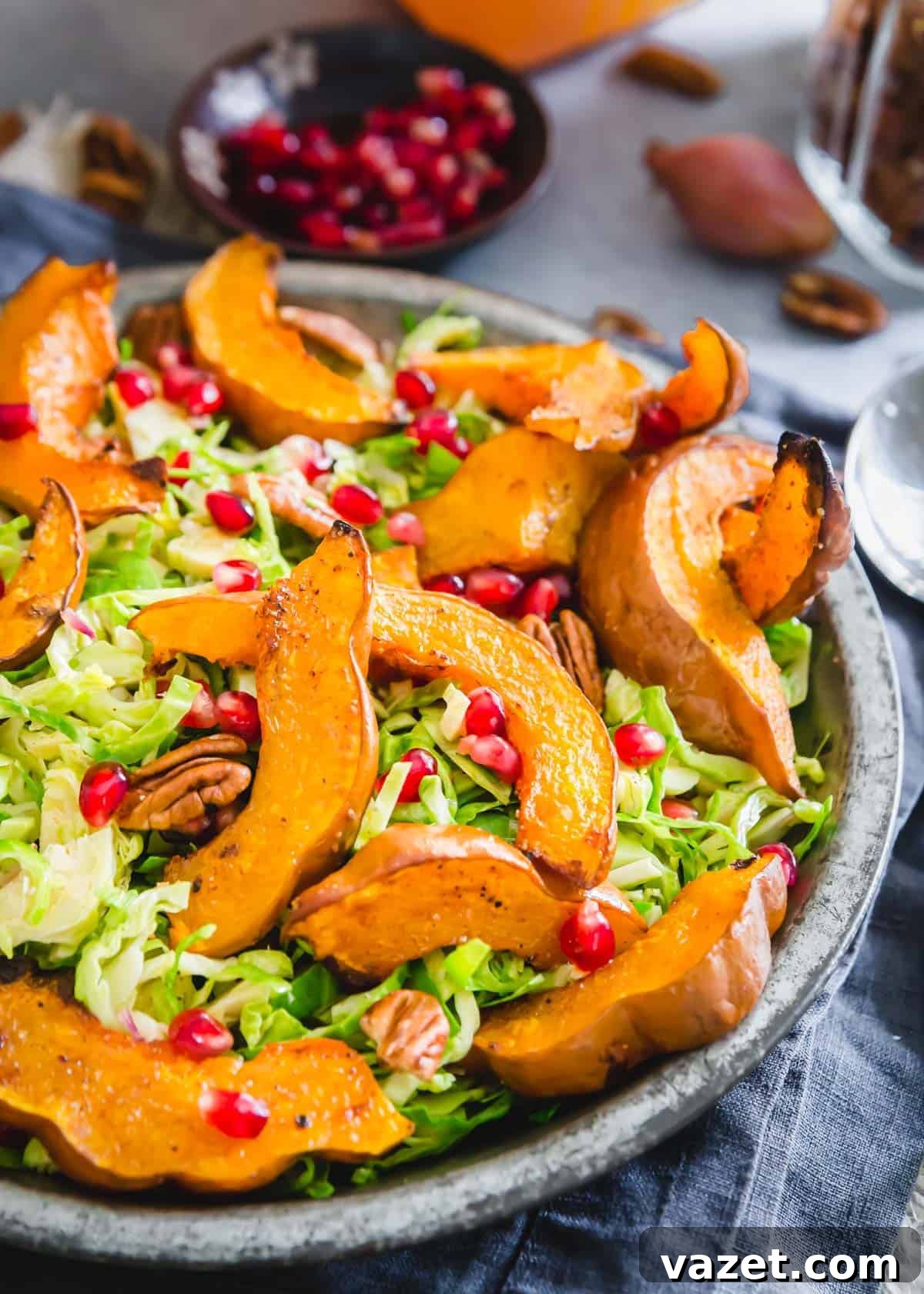
Koginut squash, a delightful modern hybrid of classic butternut and kabocha varieties, offers a uniquely tender, buttery flesh with a wonderfully sweet flavor and an edible skin. This versatile winter squash shines brightest when roasted to perfection, becoming the star of this vibrant fall-inspired salad, complemented by savory-sweet spices and autumnal flavors. Discover how to transform this exceptional ingredient into a memorable dish that will elevate your seasonal cooking.
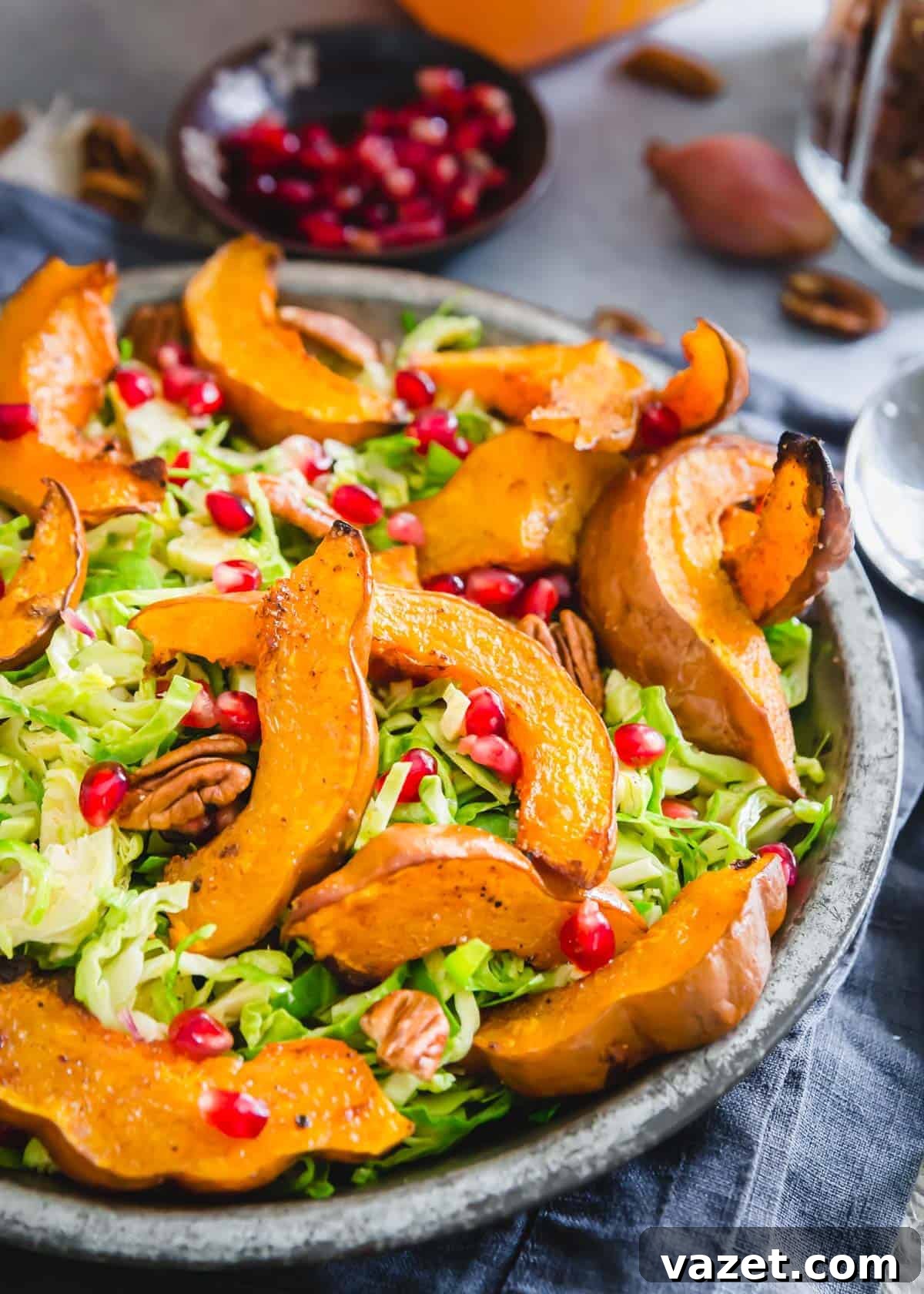
Every once in a while, you stumble upon a culinary gem that completely redefines your understanding of a familiar category. For me, that recent discovery was the enchanting Koginut squash. It was during an unplanned visit to a grocery store known for its unique and seasonal offerings that this charming squash caught my eye, alongside other exciting finds like Brussels sprouts on the stalk. Its inviting golden hue and compact size were instantly appealing, prompting me to toss it into my cart without a second thought.
Despite considering myself quite knowledgeable about winter squash varieties – having explored everything from the intricate textures of buttercup squash to the delightful sweetness of stuffed delicata squash – the name “Koginut” was entirely new. It spurred an immediate quest for information, and what I uncovered only deepened my appreciation for this exciting new addition to the squash family. It’s truly remarkable how a single ingredient can inspire such culinary curiosity and creativity.
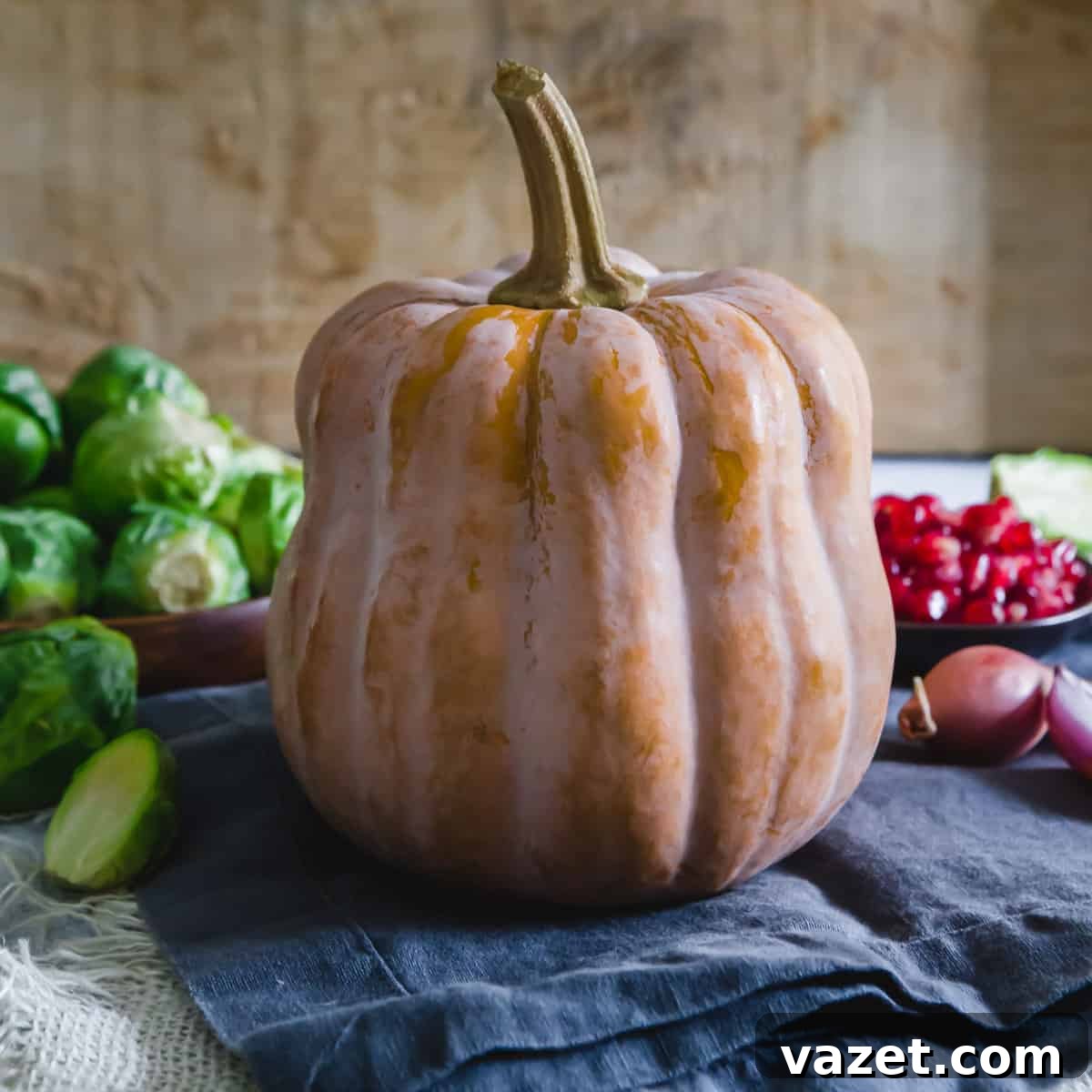
WHAT IS KOGINUT SQUASH?
The Koginut squash, often referred to as Robin’s Koginut, is a relatively recent and exciting innovation in the world of produce. It emerged from a collaborative effort between renowned chef Dan Barber of Blue Hill at Stone Barns and the innovative Row 7 Seeds. This partnership is dedicated to breeding vegetables for superior flavor, and the Koginut is a shining example of their success. This unique “designer” squash is a strategic hybrid, artfully blending the best qualities of two beloved winter squash varieties: the creamy sweetness of butternut squash and the rich, earthy notes of kabocha squash.
The outcome is nothing short of exceptional: a squash boasting an incredibly buttery, subtly sweet flesh complemented by a remarkably creamy texture. One of its most appealing features, and a significant advantage for home cooks, is its delicate, edible skin. This eliminates the often-laborious task of peeling, making meal preparation much quicker and easier. For growers, the Koginut squash also presents a clever built-in ripeness indicator, transforming from a vibrant green to a warm golden hue when it’s perfectly ready for harvest, ensuring optimal flavor and texture.
Beyond its culinary appeal, Koginut squash is also a nutritional powerhouse. Like its parent varieties, it’s rich in vitamins A and C, essential for immune function and vision, as well as dietary fiber, which aids in digestion and promotes a feeling of fullness. Its natural sweetness makes it an excellent choice for those looking to reduce added sugars in their diet, offering a wholesome alternative for both sweet and savory dishes.
The introduction of Koginut squash into the mainstream was notably amplified by its adoption by Sweetgreen, a popular salad chain, which featured it in their “Koginut Squash by Dan Barber bowl.” This bold move demonstrated confidence in its appeal, combining roasted Koginut with fresh spinach, wild rice, sweet pears, crisp fennel, aromatic basil, and tangy goat cheese. The success of this bowl underscored the squash’s potential as a versatile and flavorful ingredient, capable of anchoring a dish with its delightful character. Indeed, the concept was so inspiring that it led to my own interpretation, proving just how adaptable and delicious this Koginut squash bowl can be with a few personal twists.
Embracing a new, lesser-known ingredient on a national restaurant menu is always a daring venture. However, for those fortunate enough to taste the Koginut, its immediate appeal and exceptional qualities quickly reveal why such a risk was not only warranted but truly rewarding. It’s a testament to its remarkable flavor, texture, and ease of preparation that this squash is quickly becoming a favorite among chefs and home cooks alike.
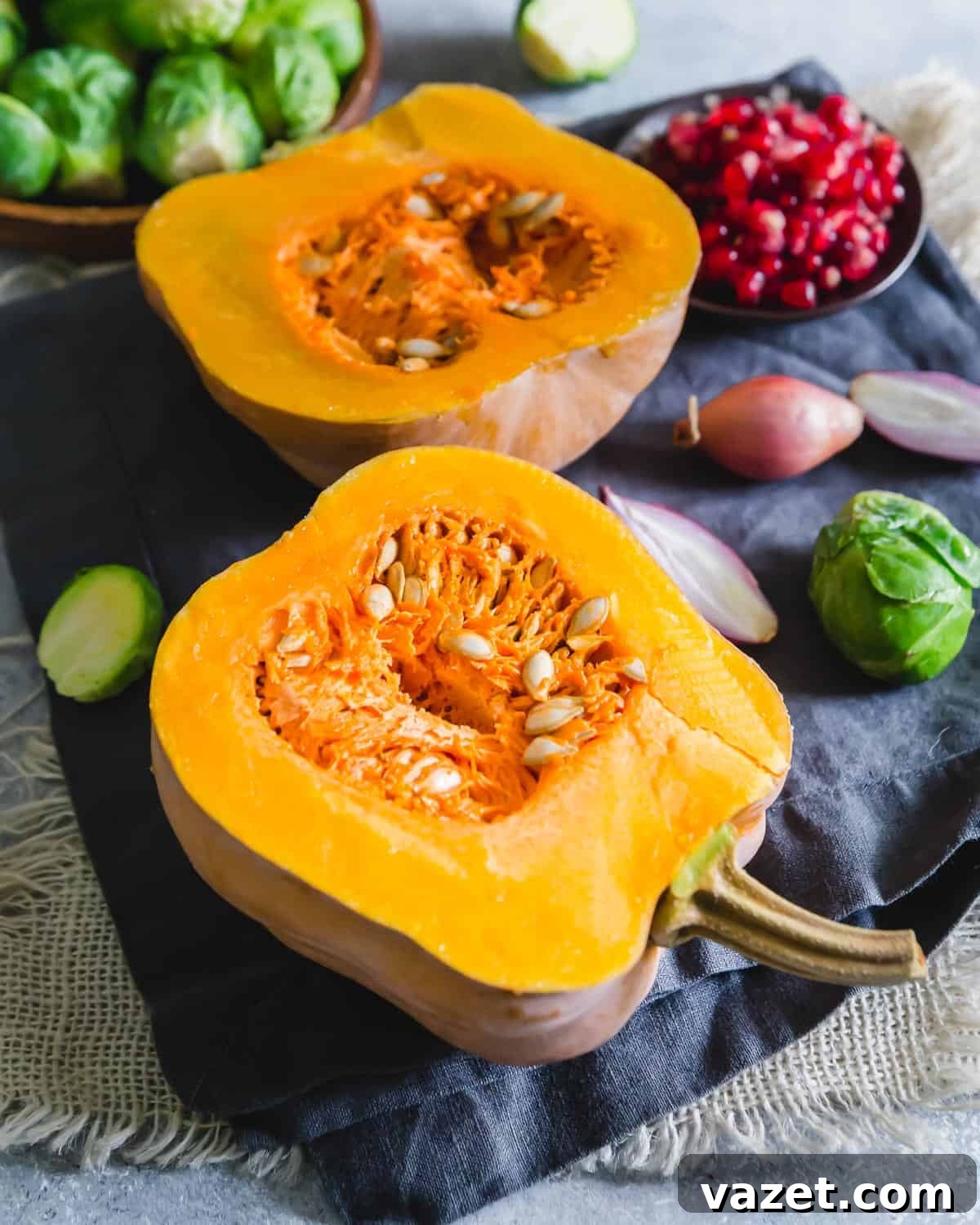
HOW TO COOK KOGINUT SQUASH
Like many exceptional winter squash varieties, with perhaps the notable exception of spaghetti squash, Koginut squash truly shines when roasted. Roasting is unequivocally my preferred method for cooking this particular squash, primarily because its tender skin is entirely edible. This feature not only saves time but also adds a rustic texture and additional nutrients to your dish. The high heat of the oven caramelizes its natural sugars, deepening its inherent sweetness and bringing out its rich, nutty undertones.
For optimal results, roast Koginut squash at temperatures between 400-425°F (200-220°C). A simple drizzle of olive or avocado oil, paired with a touch of maple syrup and your choice of savory spices, creates a truly irresistible flavor profile. Continue roasting until the edges are beautifully golden, the flesh is fork-tender, and a slight caramelization begins to appear on the baking sheet. This process yields a texture that is both soft and slightly firm, a delightful contrast that is pure autumn perfection.
You have several options for cutting the squash before roasting. For this particular fall salad recipe, I recommend slicing it into elegant wedges. Alternatively, for an even simpler preparation, you can halve the squash lengthwise, scoop out the seeds, and roast the halves whole. Fill the cavities with a generous pat of butter or a drizzle of olive oil and a splash of maple syrup for a deeply flavorful and comforting side dish. This method creates a beautifully tender interior, perfect for scooping out and serving.
Beyond roasting, Koginut squash is wonderfully versatile. It can also be baked or steamed, making it an excellent candidate for purees. When baked until very soft, its creamy texture makes it an ideal substitute for pumpkin puree in a wide array of baked goods, from pies and muffins to autumnal bread. Imagine swapping it into your favorite sweet potato waffle or sweet potato cookie recipes for a fresh, new flavor dimension. Its mild, sweet profile seamlessly integrates into both sweet and savory applications.
I also envision creating a luscious Koginut squash soup in the near future, using a method similar to this comforting delicata squash soup. The inherent creaminess and subtle sweetness of Koginut are perfectly suited for a velvety soup, offering a warming embrace on a chilly day. However, I must confess, it’s incredibly difficult to resist simply enjoying this squash roasted. Its texture is, without exaggeration, the finest I’ve ever encountered in a squash. Roasting not only offers the easiest preparation but also undeniably provides the best way to savor its divine, melt-in-your-mouth quality, making it a must-try for any squash enthusiast.
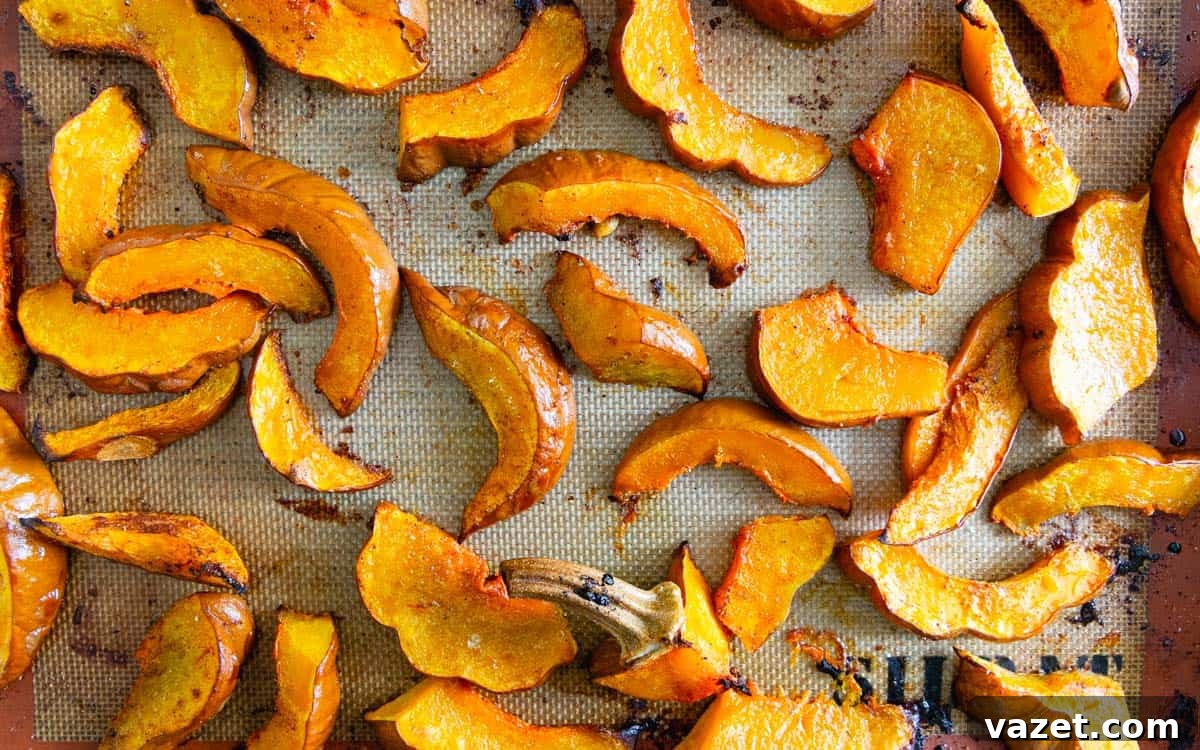
ROASTING KOGINUT SQUASH FOR THIS SALAD
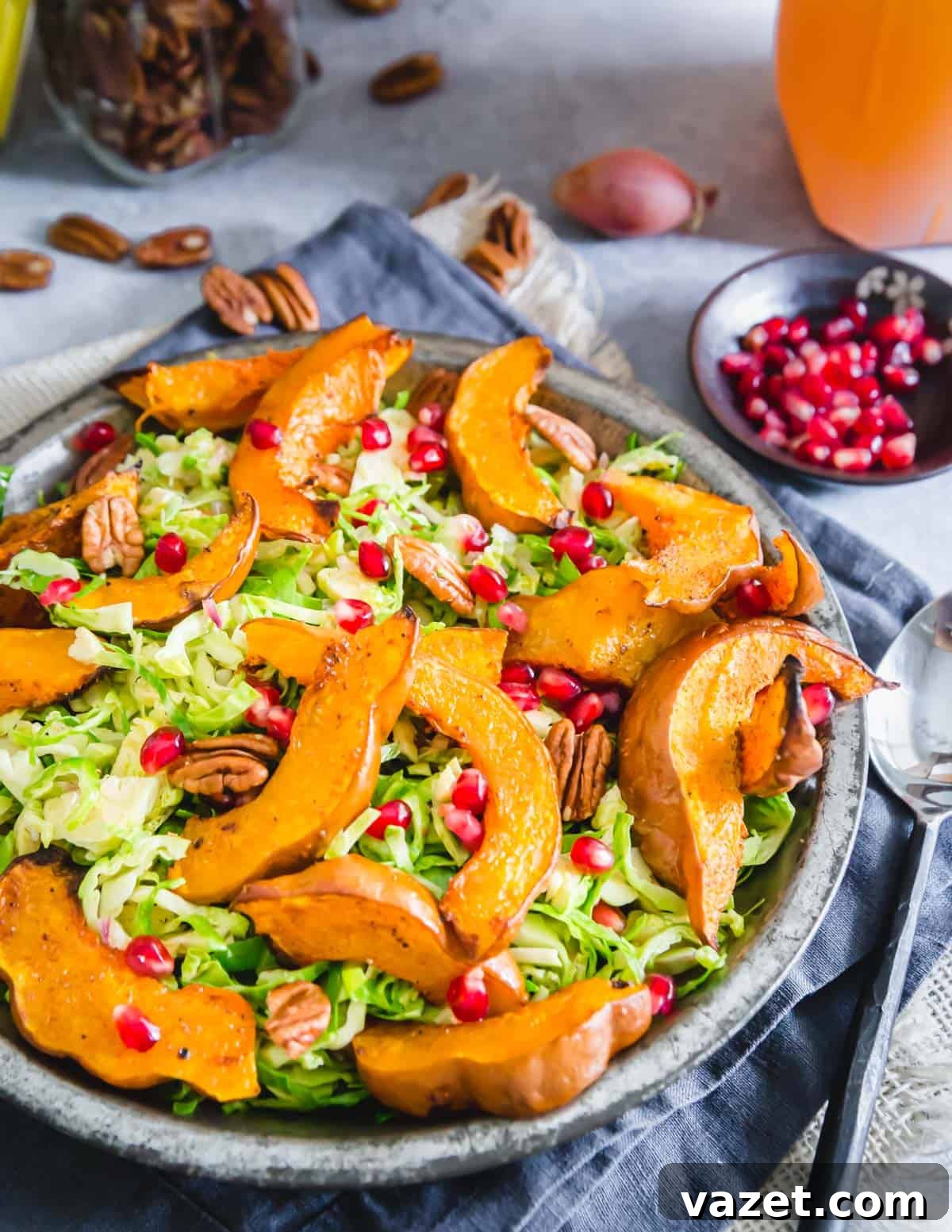
The foundation of our exquisite fall salad hinges on perfectly roasted Koginut squash. This recipe pairs the tender squash with a base of thinly shredded Brussels sprouts, brightened by tart pomegranate arils and crunchy pecan halves, all brought together with a warm, aromatic apple cider shallot dressing. To begin, let’s focus on preparing the Koginut squash to achieve that irresistible caramelized tenderness, which will truly elevate the entire dish.
Preheat your oven to a robust 425°F (220°C). Prepare a baking sheet by lining it with parchment paper or a silicone baking mat. This ensures easy cleanup and prevents sticking, allowing for ideal caramelization without any fuss.
Carefully cut your Koginut squash into uniform wedges, approximately 1/3-inch thick. Arrange these wedges in a single layer on the prepared baking sheet, ensuring they have enough space to roast evenly without steaming. This single layer is crucial for achieving crispy, golden edges. Don’t discard the seeds! They are a fantastic snack and can be transformed into delicious roasted squash seeds, suitable for any winter squash variety. For an extra special treat, consider using this recipe for roasted delicata squash seeds to create a crunchy, flavorful topping from your Koginut seeds.
Drizzle the squash generously with avocado oil, which offers a neutral flavor and high smoke point, ideal for roasting. Season it with a blend of Kosher salt, freshly ground black pepper, garlic powder, and a hint of warming cinnamon. Finally, a light drizzle of maple syrup will enhance the squash’s natural sweetness and aid in caramelization. Toss gently to ensure every piece is evenly coated with this enticing blend of flavors, allowing each wedge to develop a rich, complex taste.
Roast the squash for about 35-40 minutes, or until it is exquisitely fork-tender and exhibits a beautiful golden-brown color around the edges. Remember to flip the slices halfway through the roasting time to ensure even browning and tender perfection on both sides. This attention to detail guarantees a consistent texture and flavor throughout. Once roasted to your liking, remove the squash from the oven and set it aside, ready to be placed atop the salad while still wonderfully warm.
This roasting process is truly transformative for any squash, but especially for the Koginut. It masterfully coaxes out and intensifies the squash’s inherent sweetness, creating a depth of flavor that raw or steamed preparations simply can’t match. The caramelized edges provide a delightful chewiness, while the interior remains lusciously tender. It’s an extra step that always pays dividends, enhancing the overall profile of any squash-centric dish, much like it does in this comforting buttercup squash soup, where roasted squash forms the flavorful base.
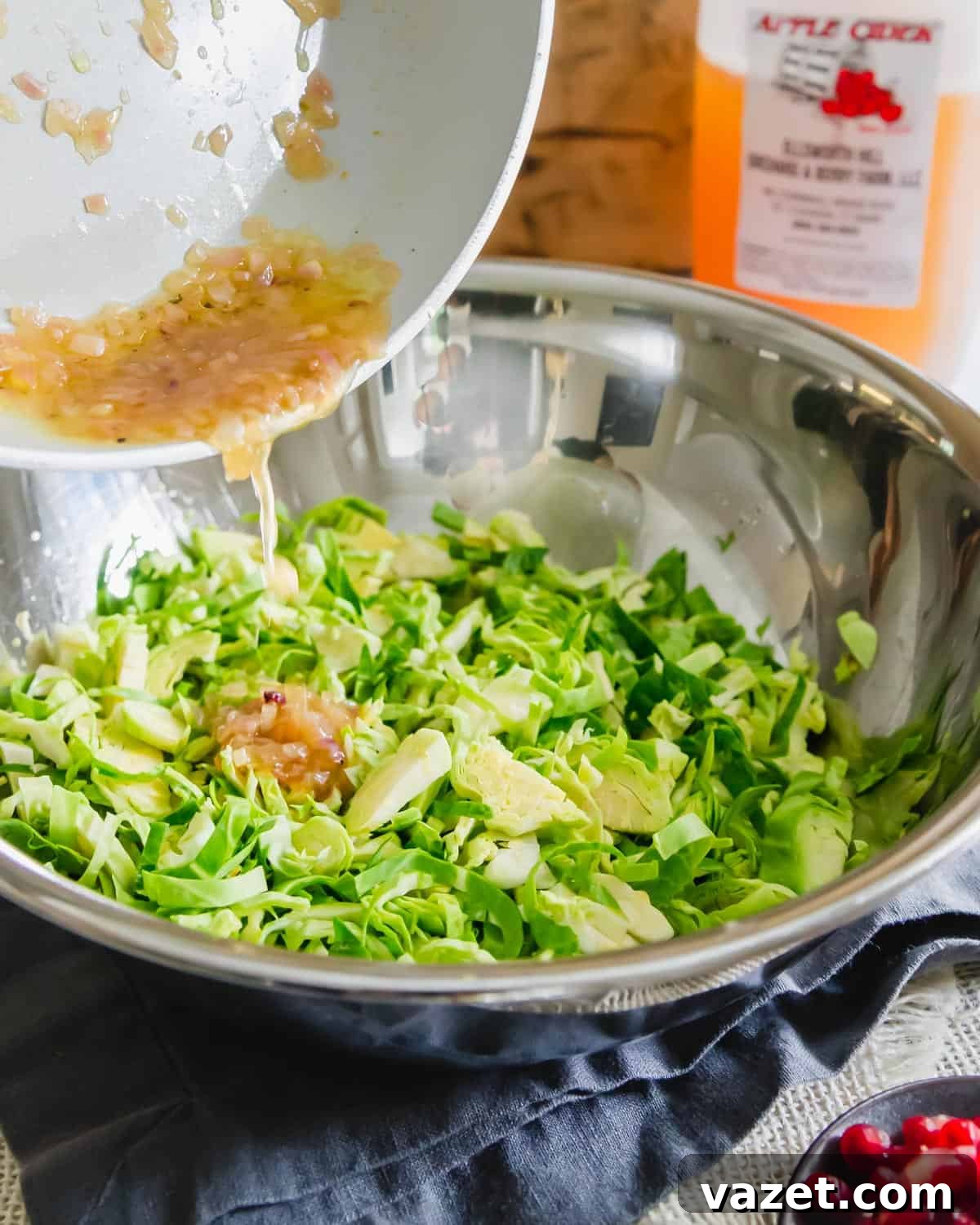
HOW TO ASSEMBLE THIS HEARTY FALL SALAD
While your Koginut squash is roasting to golden perfection, you can begin to prepare the vibrant base and the delectable dressing for this seasonal salad. This strategic timing ensures everything comes together seamlessly for a warm and inviting meal, perfect for any autumn gathering or cozy dinner.
Start by preparing the Brussels sprouts. You can either thinly slice them by hand using a sharp knife for a rustic look or use a food processor with a slicing attachment to achieve delicate, uniform shreds. The thinner the slices, the more readily they will absorb the dressing and soften. Place these shredded Brussels sprouts into a large mixing bowl, ready to absorb the flavors of the warm dressing.
Next, prepare the star of our dressing: the warm apple cider shallot vinaigrette. In a small skillet, heat the extra virgin olive oil over medium heat. Add the minced shallots and sauté them gently until they become beautifully softened and fragrant, typically around 3 minutes. This process mellows their sharp bite and brings out their inherent sweet undertones, forming a delicious aromatic base for the vinaigrette.
Once the shallots are tender, pour in the apple cider and apple cider vinegar, which will provide a delightful tartness and autumnal depth. Stir in the maple syrup for a touch of balancing sweetness, then season with salt and freshly ground black pepper to taste. Bring this mixture to a high simmer and let it cook for just 1-2 minutes, allowing the flavors to meld and intensify. The warmth of the dressing is key to slightly softening the raw Brussels sprouts, transforming their texture.
Immediately pour the hot dressing directly over the shredded Brussels sprouts in the large bowl. Toss vigorously to ensure every strand of sprout is thoroughly coated and infused with the aromatic dressing. You’ll notice the Brussels sprouts begin to soften ever so slightly, transforming their texture from raw crispness to a more palatable tender-crisp state. This gentle “cooking” effect is one of the salad’s most appealing characteristics.
To complete the salad’s vibrant profile, add the jewel-like pomegranate arils and the earthy pecan halves to the bowl. Give it another gentle toss to distribute these complementary textures and flavors throughout. Finally, when the Koginut squash is perfectly roasted, add the warm slices directly to the bowl. Toss lightly one last time, then transfer the entire magnificent fall salad to a serving bowl or platter, ready to be enjoyed warm.
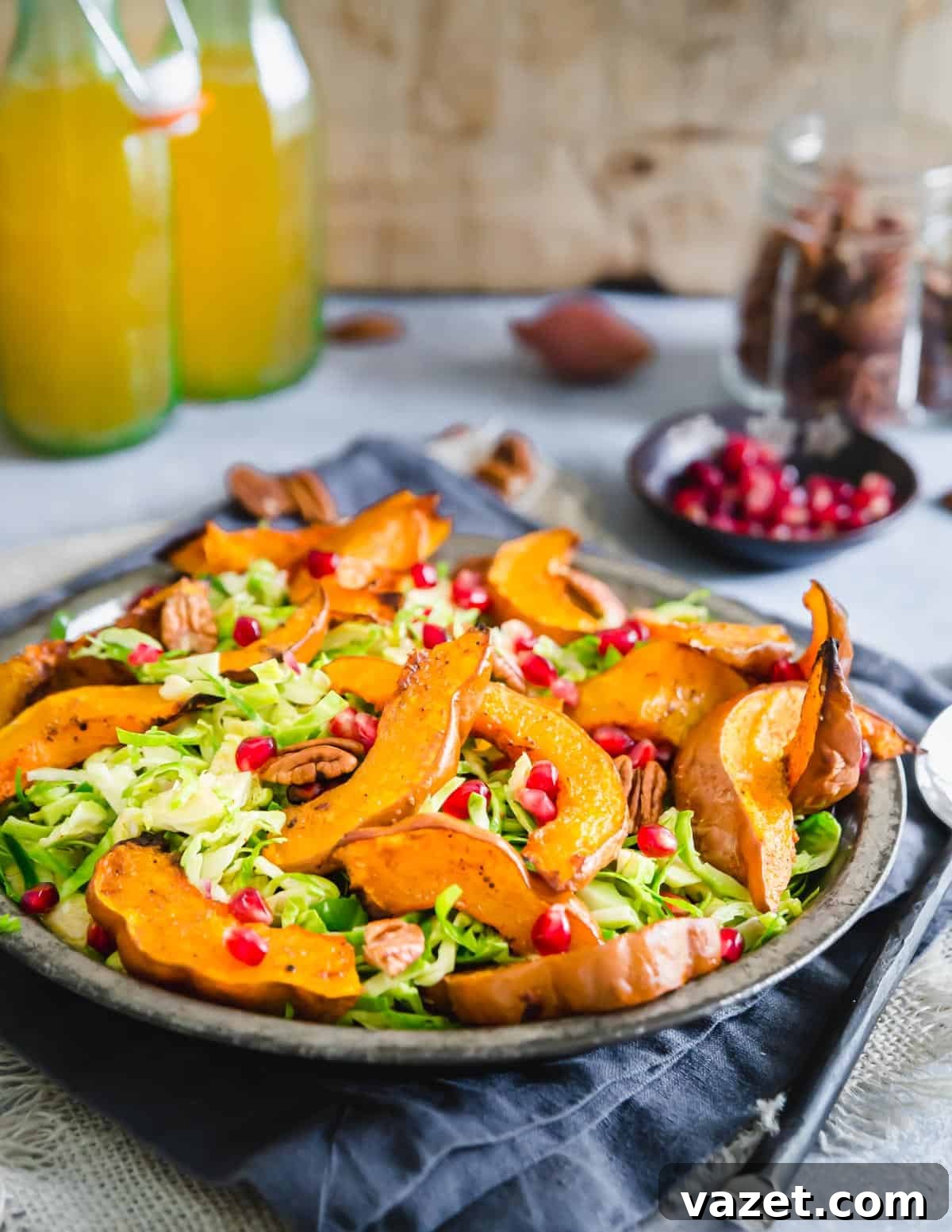
The warm apple cider shallot dressing in this fall salad evokes the comforting essence of a traditional hot bacon dressing, but with a refined, plant-forward twist. Instead of the smoky saltiness of bacon, we embrace the naturally sweet and tart symphony of apple cider and maple syrup, creating a uniquely autumnal flavor profile. This dressing doesn’t just coat the salad; its warmth works its magic, gently “cooking” the finely shaved Brussels sprouts as they are tossed together in the bowl. This subtle heat infusion creates a more nuanced and inviting texture than simply serving raw sprouts.
Raw Brussels sprouts, especially in a substantial quantity, can sometimes be overwhelmingly bitter or too fibrous for some palates. However, the ingenious combination of the warm dressing and the piping hot, freshly roasted Koginut squash straight from the oven elegantly tempers this intensity. The heat subtly softens the sprouts, making them more palatable while still retaining a delightful bite. This transformation results in a salad that is far more inviting and harmonious than one made with cold, raw greens, making it appealing even to those who are typically wary of Brussels sprouts.
With every forkful of this spectacular fall salad, you’ll experience a symphony of textures and tastes. There’s the satisfying crunch from the toasted pecans, the juicy burst of tart brightness from the pomegranates, the tender-crispness of the gently softened Brussels sprouts, and the unparalleled buttery sweetness of the roasted Koginut squash. All these elements are unified by the warming spices and the complex flavors of the apple cider dressing. It’s a true celebration of autumn on a plate, delivering a comforting yet refreshing experience. I have a strong feeling that once you try this dish, Koginut squash will swiftly become your new favorite winter vegetable, a staple in your seasonal cooking repertoire, bringing joy and flavor to countless meals.
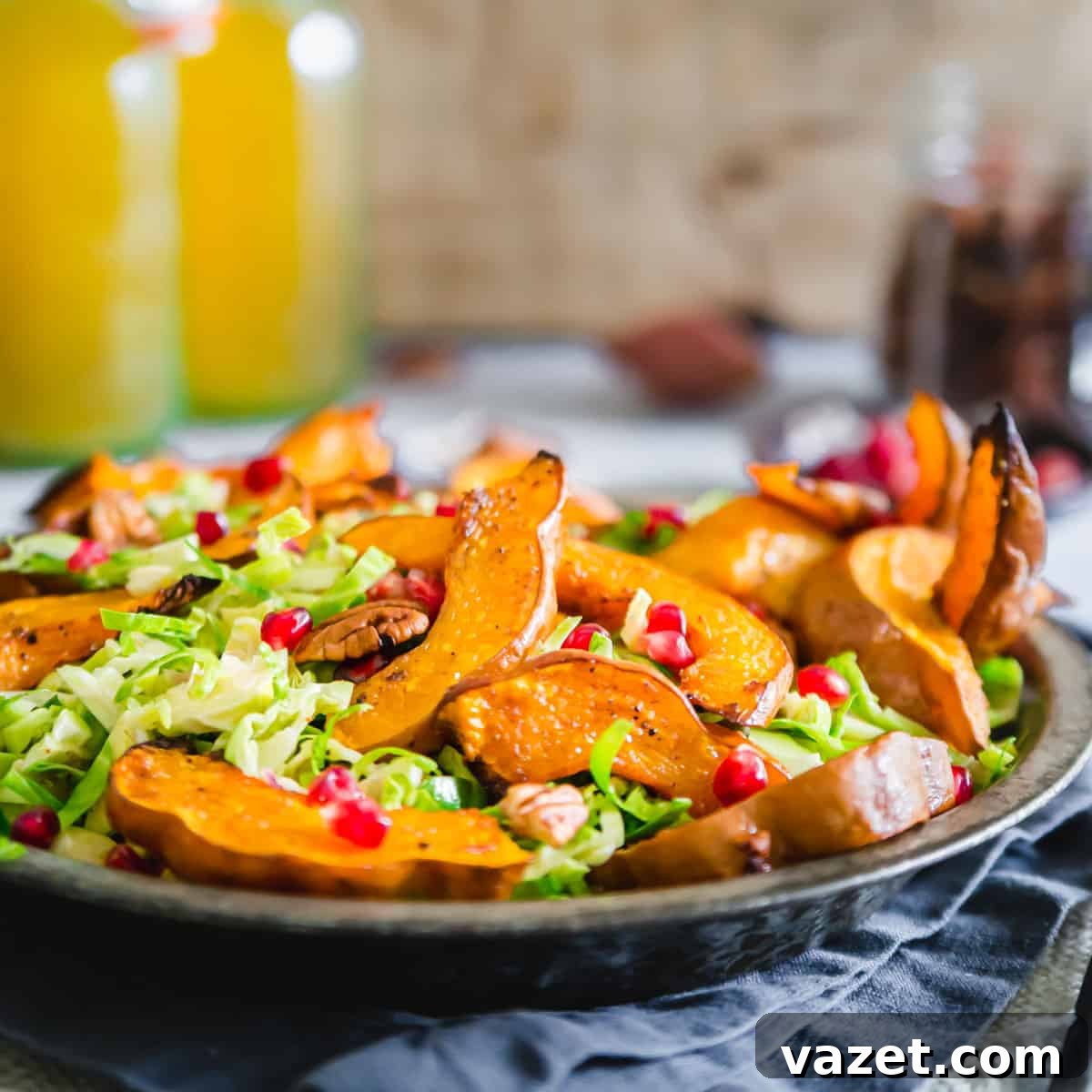
As the holiday season approaches, planning the perfect Thanksgiving menu often brings both excitement and a touch of delicious challenge. While our specific Thanksgiving plans might still be taking shape, one element is already firmly established: Koginut squash will undoubtedly grace our table. Its unique flavor profile and versatile nature make it an ideal candidate for a variety of festive preparations, offering a fresh take on traditional holiday fare.
Most likely, this exceptional winter squash will be featured prominently in a roasted capacity, perhaps in this very fall salad or simply roasted with herbs and a touch of sweetness as a standalone side dish. Its beautiful color and delicate taste make it a welcome addition to any holiday spread. It pairs beautifully with other beloved Thanksgiving staples, such as my effortlessly prepared 5-Ingredient Slow Cooker Cranberry Sauce and the delightful Sausage Cranberry Apple Stuffing Muffins. These complementary dishes create a harmonious spread that celebrates the bounty of autumn, delighting guests with both familiar and new flavors.
Should I find the ambition to prepare a small turkey this year (a possibility, given my family’s adventurous culinary choices, which last year even included salmon!), I’ve been contemplating adapting my flavorful Apple Butter Roasted Chicken recipe for a turkey. The sweet and tangy notes of apple butter would perfectly complement the rich flavors of a holiday bird, creating a memorable main course that is both comforting and elegantly seasonal.
Beyond Thanksgiving, the versatility of Koginut squash extends to numerous other meal occasions throughout the cooler months. Its creamy texture and sweet flavor make it excellent for everyday dinners, cozy soups, or even as a base for healthy breakfast hashes. Embrace this delightful squash as a way to inject seasonal goodness and exciting new flavors into your culinary routine, making the most of autumn’s harvest.
EXPLORE MORE DELICIOUS WINTER SQUASH RECIPES
If the charm of Koginut squash has sparked your interest in exploring more seasonal produce, here are some other fantastic winter squash recipes to inspire your cooking adventures. Each offers a unique way to enjoy the richness and versatility of autumn’s bounty:
- Wild Mushroom Couscous & Lamb Stuffed Kabocha Squash
- Roasted Sweet Potato, Squash and Chickpea Fall Salad
- Hearty Barley Butternut Squash Salad
- Perfectly Roasted Squash Seeds (a great snack!)
- Twice Baked Kale and Pecorino Acorn Squash
Roasted Koginut Squash Salad with Warm Apple Cider Vinaigrette
This delightful fall salad features tender, buttery Koginut squash roasted to perfection, combined with fresh shaved Brussels sprouts, juicy pomegranate arils, and crunchy pecans, all brought together by a warm and tangy apple cider vinaigrette. It’s a healthy, flavorful, and satisfying dish perfect for a seasonal meal or a holiday side.
Prep time: 10 minutes
Cook time: 40 minutes
Total time: 50 minutes
Servings: 4
Equipment
- Silpat Premium Non-Stick Silicone Baking Mat, Half Sheet Size
- USA Pan baking sheet
- Large mixing bowl
- Small skillet
Ingredients
For the Roasted Koginut Squash:
- 1 Koginut squash
- 2 tablespoons avocado oil
- 1 teaspoon Kosher salt
- 1/2 teaspoon black pepper
- 1/2 teaspoon cinnamon
- 1/2 teaspoon garlic powder
- 1 tablespoon maple syrup
For the Salad Base:
- 3/4 pound Brussels sprouts, trimmed and thinly sliced or shredded
- 1/4 cup pecan halves
- 2 tablespoons pomegranate arils
For the Warm Apple Cider Vinaigrette:
- 1 tablespoon extra virgin olive oil
- 1 shallot, minced
- 1/4 cup apple cider
- 1 tablespoon apple cider vinegar
- 1 tablespoon maple syrup
- Salt and pepper to taste
Instructions
- Preheat your oven to 425°F (220°C). Line a baking sheet with parchment paper or a silicone baking mat.
- Carefully slice the Koginut squash in half lengthwise. Scoop out and discard the seeds (or save them for roasting separately). Slice the squash halves into wedges approximately 1/3 to 1/2 inch thick. Arrange the slices in a single layer on the prepared baking sheet.
- Drizzle the squash slices evenly with avocado oil. Season with Kosher salt, black pepper, cinnamon, and garlic powder. Finally, drizzle the maple syrup over the seasoned squash. Toss gently to ensure all pieces are coated.
- Roast for 35-40 minutes, flipping each piece halfway through the roasting time. The squash is done when it’s fork-tender and the edges are beautifully golden and slightly caramelized. Remove from the oven and set aside to keep warm.
- While the squash roasts, place the thinly sliced or shredded Brussels sprouts into a large mixing bowl.
- Prepare the warm dressing: In a small skillet, heat 1 tablespoon of extra virgin olive oil over medium heat. Add the minced shallot and sauté for about 3 minutes, or until softened and fragrant.
- Pour in the apple cider, apple cider vinegar, and maple syrup. Season with salt and pepper to taste. Bring the mixture to a high simmer and cook for 1-2 minutes, allowing the flavors to meld beautifully.
- Immediately pour the hot dressing over the Brussels sprouts in the large bowl. Toss vigorously until the sprouts are well combined and slightly softened by the warmth of the dressing.
- Add the pomegranate arils and pecan halves to the bowl. Toss lightly to distribute.
- Once the roasted Koginut squash is ready, arrange the warm slices on top of the salad. Taste and adjust seasoning with additional salt and pepper if needed. Serve immediately while warm.
Notes
- Squash Substitute: If Koginut squash is unavailable, this recipe can be successfully made with similar winter squash varieties like kabocha or buttercup squash. Both have an edible skin and offer a comparable flavor profile and creamy texture when roasted.
Nutrition Information (Approximate per serving)
Nutrition information is automatically calculated, so should only be used as an approximation.
- Serving Size: 1 serving
- Calories: 225 kcal
- Carbohydrates: 21g
- Protein: 4g
- Fat: 16g
- Saturated Fat: 2g
- Polyunsaturated Fat: 13g
- Sodium: 625mg
- Fiber: 4g
- Sugar: 12g
For more specific nutritional values, it is recommended to calculate based on the exact ingredients and quantities used.