
Many recipes lean on sugar, cream, or cheese to boost flavor, but those are far from the only options. Aromatics, acids, spices, textures, and cooking technique can create deep, satisfying flavor without adding extra calories.
Restaurant food often tastes richer because chefs embrace salt, acid, and high heat. At home, people frequently under-season, overcrowd the pan, or stop cooking vegetables before they develop color and texture. More butter or cheese can sometimes hide technique issues, but most of the time better seasoning and longer, hotter cooking do the job. Below are practical strategies I use to build flavor without relying on heavy dairy or sugar.
Start with aromatics
Most flavorful dishes begin when aromatics hit a hot pan and perfume the kitchen. Onion, garlic, shallots, and scallions create a savory foundation that supports everything else. As they cook, their natural sugars caramelize, adding depth without added sugar.
Allowing onions to soften and take on light browning in olive oil before adding other ingredients creates complexity that carries through the finished dish. Ginger, celery, and fennel play the same role, especially in soups, stews, and grain dishes.
I rarely skip this step—a slow-sweated pan of onions and garlic in oil sets the tone for nearly every meal I cook.
Use acid to brighten and balance
Acid is one of the simplest ways to enhance flavor without cream or cheese. A squeeze of lemon or lime, a splash of vinegar, or a spoonful of pickled vegetables can sharpen a dish and make flavors feel more defined.
Citrus juices pair beautifully with roasted vegetables, seafood, and grain bowls. Balsamic, red wine, and rice vinegars add depth to sauces, marinades, and reductions. Tomatoes contribute both acidity and savory richness to soups and skillet meals.
I almost always finish a dish with something acidic—the final bright note wakes up other ingredients and prevents flavors from falling flat.
Layer in herbs and spices
Herbs and spices give a meal its personality, adding complexity without extra fat or sugar. Fresh herbs such as parsley, cilantro, basil, and dill bring bright, finishing flavors. Dried spices like cumin, coriander, smoked paprika, and turmeric build warmth earlier in cooking.
Toasting spices briefly in oil before adding other ingredients releases their essential oils and intensifies their aroma. I season in stages—a pinch while aromatics cook, another layer during the main cooking step, and fresh herbs at the end—rather than dumping everything in at once. This staged approach yields a fuller, more balanced result.
“I lean hard on lemon juice, vinegar and fresh herbs. A squeeze of lemon or a splash of vinegar can wake up a whole dish, and herbs bring so much flavor.”
— Bella Bucchiotti, xoxoBella
Build texture into the dish
Texture matters as much as taste. When every component is soft, a dish can feel one-dimensional. Adding contrast keeps meals interesting even without creamy ingredients.
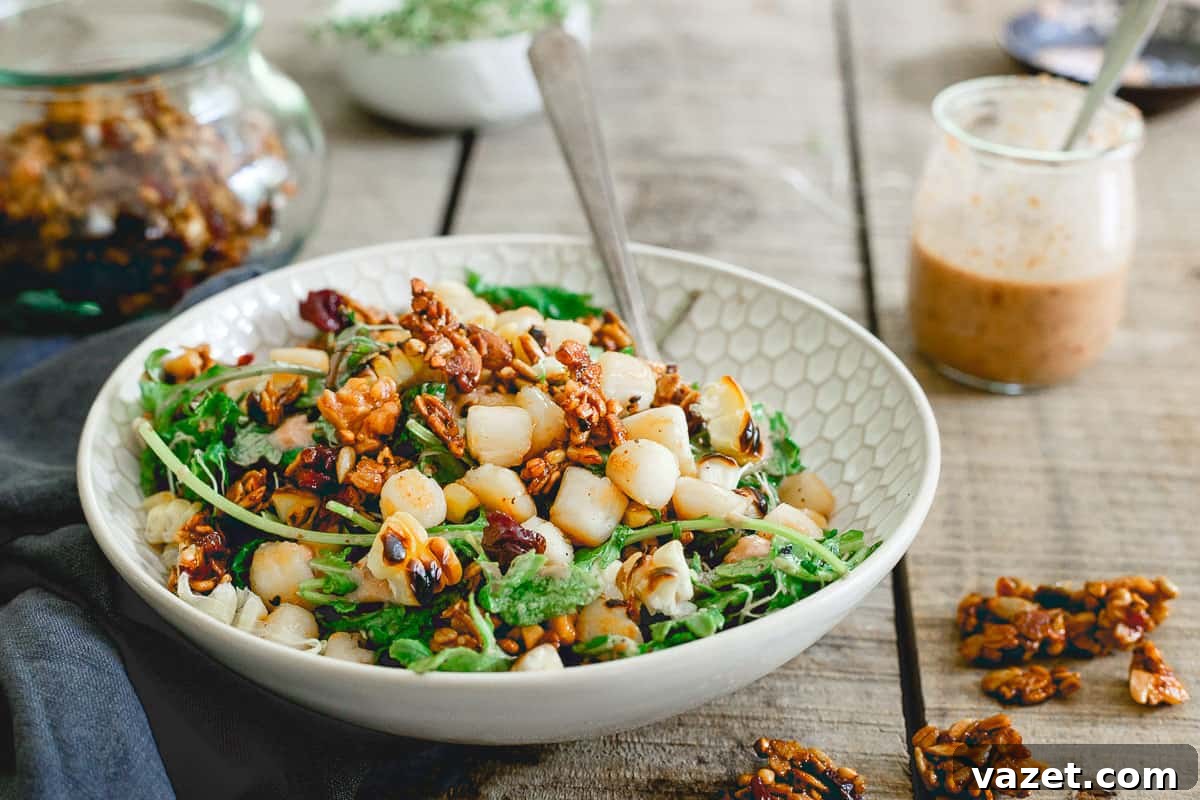
Roasted vegetables with caramelized edges add chew and depth. Toasted nuts and seeds provide crunch and richness without cheese. Crispy chickpeas, pan-seared proteins, or a handful of raw vegetables bring the textural balance that makes a plate satisfying.
I think about texture as deliberately as seasoning. Grain bowls, salads, and roasted vegetable dishes nearly always benefit from a crunchy element added at the end.
Lean on umami-rich ingredients
Umami provides the savory backbone many people try to achieve with cheese or cream. Plenty of ingredients deliver that deep, rounded flavor without dairy.
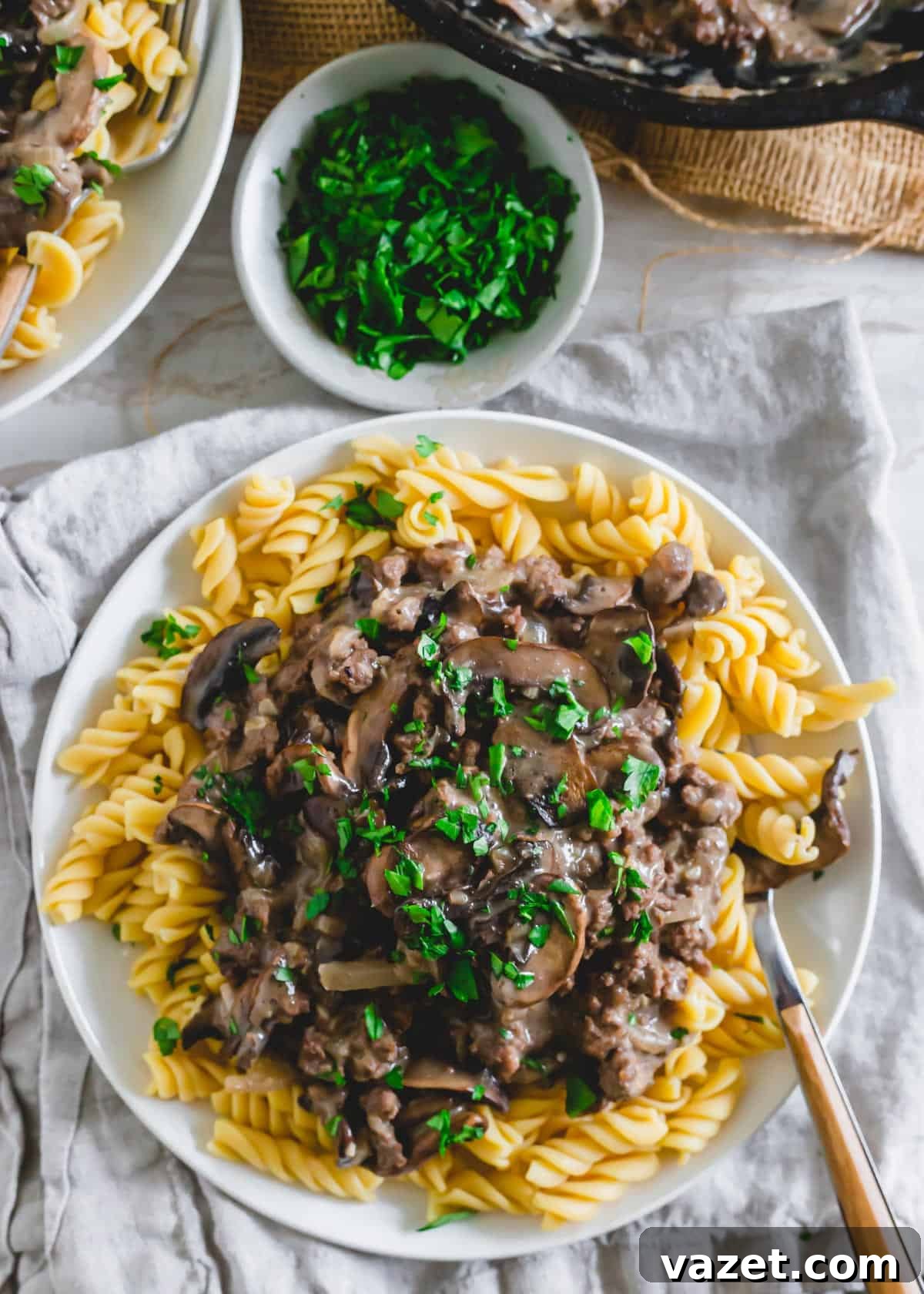
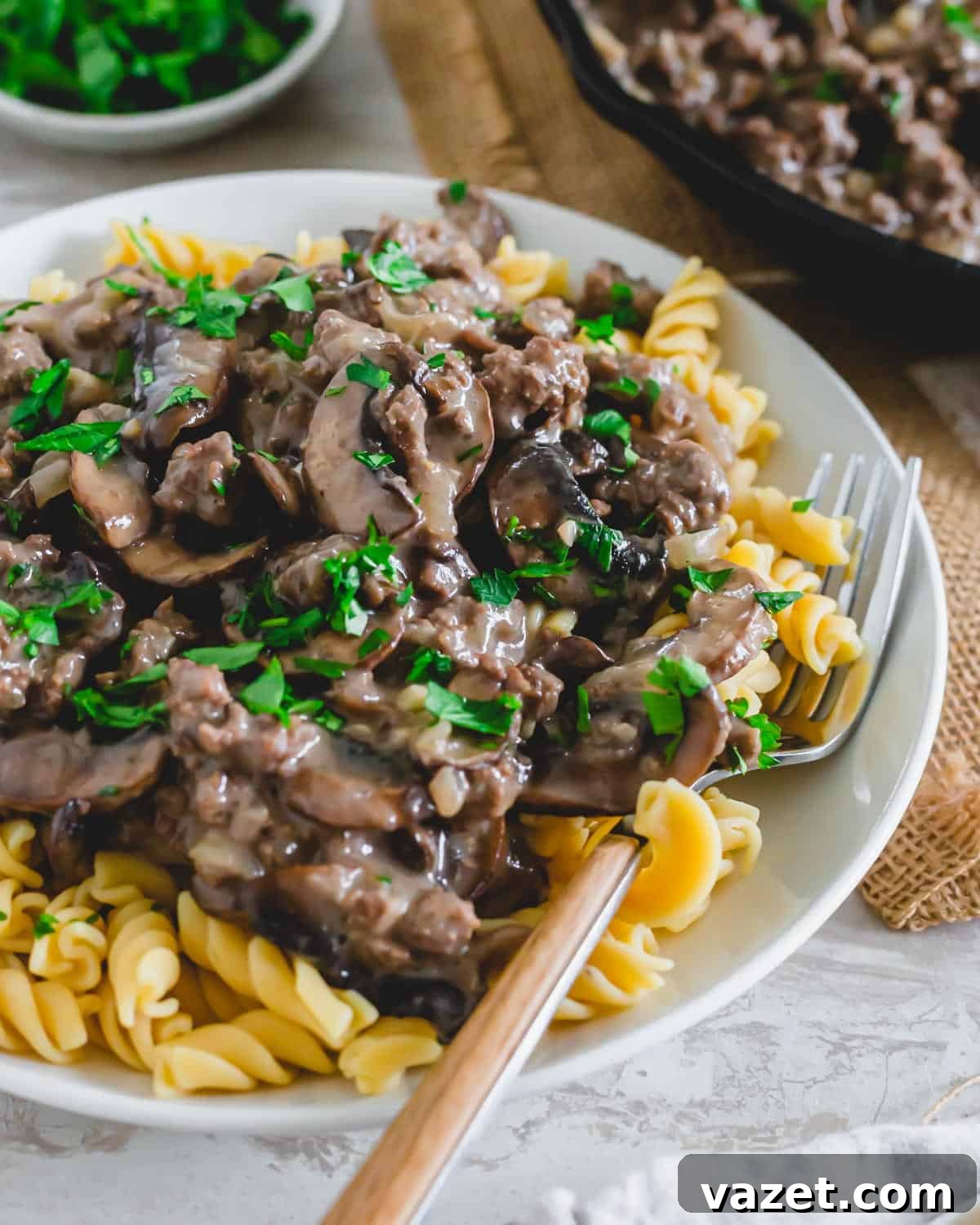
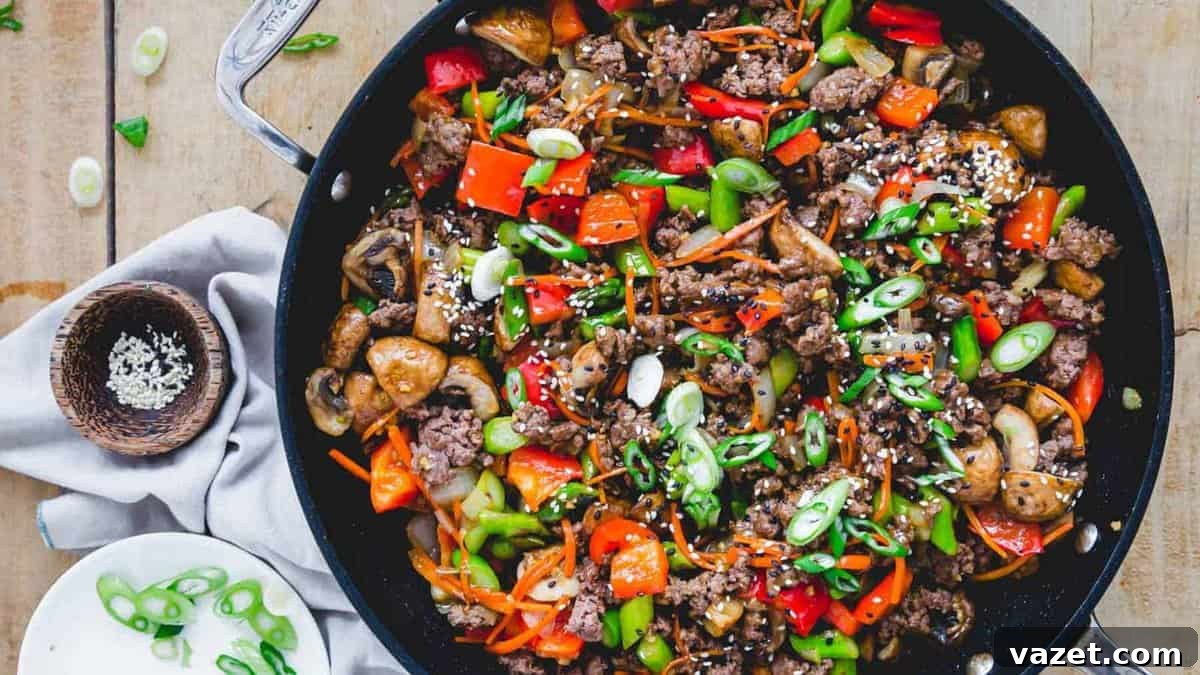
Mushrooms develop concentrated, meaty notes when browned properly and work well in grain bowls, pastas, and sauces. Tomato paste, cooked briefly in oil before adding liquid, amplifies savory depth. Pantry staples like soy sauce, tamari, miso, and small amounts of fish sauce can subtly enhance soups, stir-fries, and marinades—often just a spoonful is enough to make a dish taste complete.
Roast and brown whenever possible
High heat is an efficient way to boost flavor without extra fat. Roasting and searing create caramelized edges that bring complexity to otherwise flat ingredients.
Vegetables such as broccoli, cauliflower, carrots, and Brussels sprouts transform in the oven as their sugars concentrate and edges brown, producing richness you might otherwise seek with butter. Proteins benefit, too: properly seared chicken, fish, or tofu gain a flavorful crust that carries through the whole dish before sauce or seasoning enters the equation.
Build sauces without cream
A satisfying sauce doesn’t require cream or cheese. Use ingredients that add body while maintaining balance.
Pureed roasted vegetables—cauliflower, squash, or carrots—make smooth, flavorful bases for soups and sauces. Beans and lentils thicken sauces while contributing protein and fiber. Tahini or nut butters whisked with lemon juice, vinegar, and water create creamy dressings that complement roasted vegetables, grain bowls, and grilled proteins. An olive oil emulsion with acid can also coat ingredients and feel indulgent without heaviness.
Balance is what makes a dish work
All these elements matter most when they work together. Salt, acid, heat, bitterness, and the natural sweetness of ingredients contribute to a dish’s overall harmony.
A squeeze of lemon brightens roasted vegetables. A pinch of salt highlights sweetness in tomatoes or carrots. A touch of bitterness from greens like arugula or radicchio can counteract a flat, single-note dish.
I taste as I cook and adjust. Often a dish doesn’t need extra seasoning—just a splash of acid or a little more salt to sharpen the flavors and bring everything into focus.
Flavor comes from technique
Cooking without sugar, cream, or cheese doesn’t mean sacrificing flavor. It shifts the emphasis to techniques and ingredients that naturally build depth. Starting with aromatics, layering spices, finishing with acid, and using high heat all combine to produce balanced, interesting, and satisfying meals. Once you get comfortable with these tools, it’s easy to create dishes that feel complete without leaning on high-calorie shortcuts.