
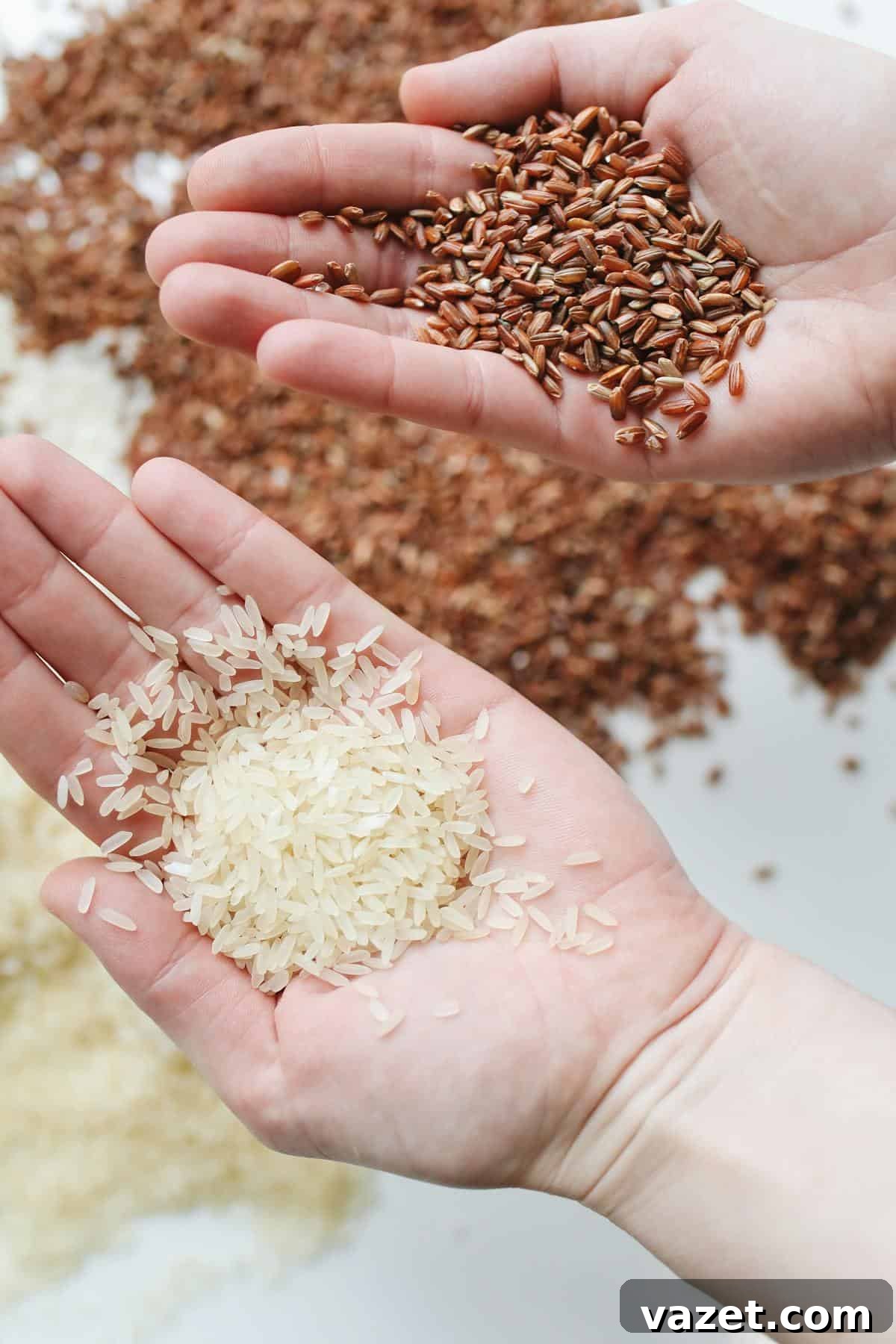
Stepping into the rice aisle can feel like embarking on a global culinary journey, with countless varieties beckoning from every shelf. From the familiar long grain to the exotic black, understanding the unique characteristics, textures, and ideal culinary applications of each type of rice is not just a skill, but an art that can transform your everyday meals into extraordinary dining experiences. This comprehensive guide is designed to demystify the vast world of rice, empowering you to confidently select the perfect grain for any dish you envision, ensuring delicious results every time.
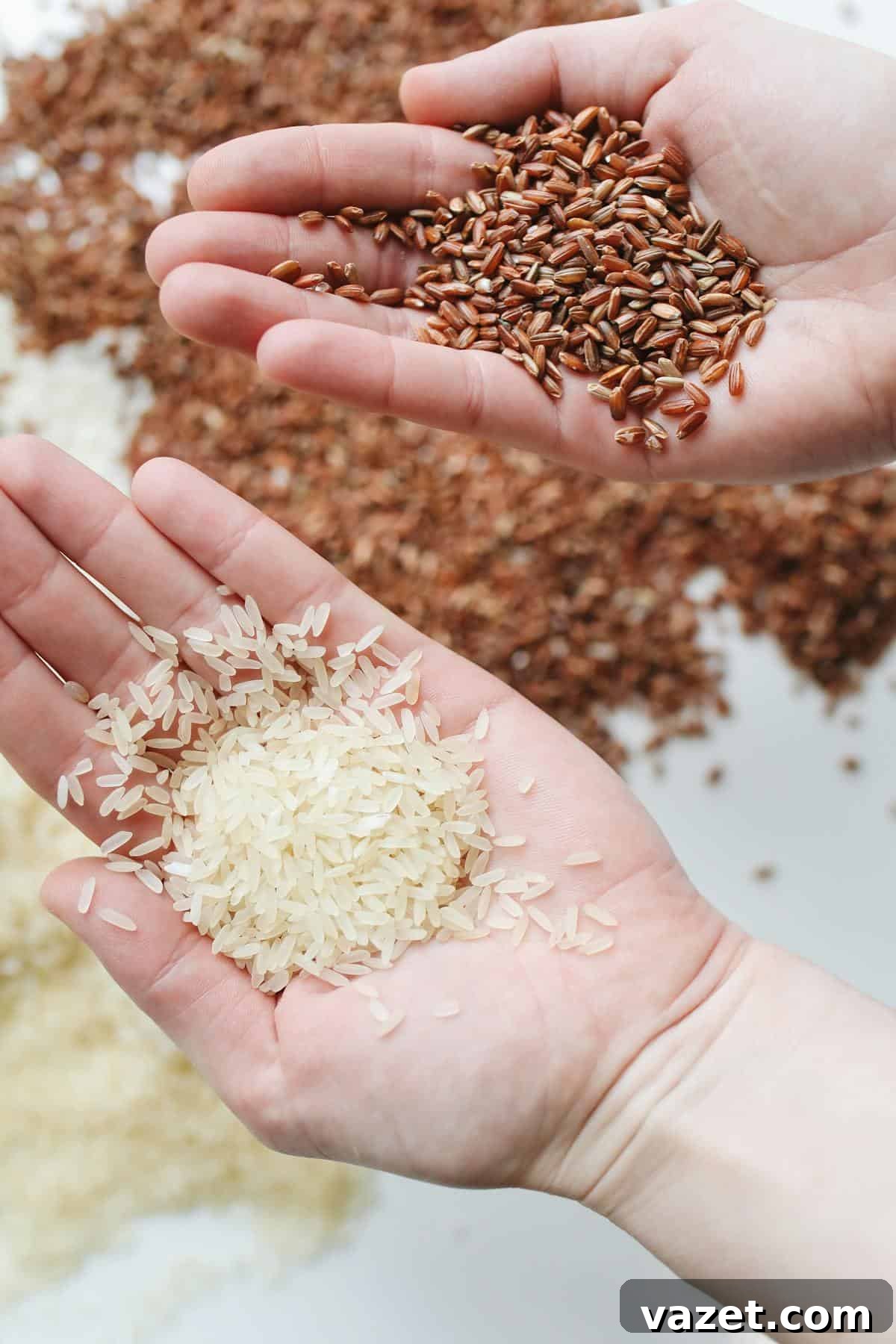
Mastering Rice Varieties: Your Ultimate Guide
Rice, a staple food for over half of the world’s population, is incredibly diverse. Its versatility stems from variations in grain length, starch content, and processing. Before diving into specific varieties, let’s establish a foundational understanding of how rice is typically categorized.
Understanding Rice Length: The Foundation of Texture
The length of a rice grain significantly influences its cooking behavior and final texture. Generally, rice is classified into three primary lengths, each with distinct culinary properties:
- Long Grain Rice: Characterized by slender grains that are at least three to five times longer than they are wide. When cooked, long-grain rice typically yields a light, fluffy texture, with individual grains remaining distinct and separate. This makes it an excellent choice for dishes where you want the rice to complement other ingredients without clumping. Popular examples include Basmati and Jasmine rice.
- Medium Grain Rice: These grains are shorter and plumper than long-grain varieties, usually two to three times longer than they are wide. Medium-grain rice cooks into a moist, tender, and slightly chewy consistency, with a tendency to stick together more than long-grain but less than short-grain. Its moderate stickiness makes it ideal for dishes that require a creamy texture or some cohesion. Arborio and Carnaroli, famous for risotto, are prime examples.
- Short Grain Rice: Featuring short, almost round grains, short-grain rice is known for its high starch content. Upon cooking, it tends to clump together, creating a soft, tender, and often sticky or glutinous texture. It’s crucial to remember that “glutinous” in this context refers to its glue-like quality and stickiness, not the presence of gluten protein, as all rice varieties are naturally gluten-free. Varieties like Sushi rice, Bomba rice, and various types of glutinous rice fall into this category, making them perfect for dishes requiring binding or moldability.
Popular Types of Rice: A Culinary Exploration
While the sheer number of rice varieties worldwide can seem overwhelming, focusing on the most commonly used types will equip you with a robust understanding for diverse cooking needs. This section highlights essential rice types, detailing their unique characteristics, ideal culinary applications, and helpful cooking insights.
Basmati Rice: The Aromatic King
Hailing from the foothills of the Himalayas in India and Pakistan, Basmati rice is a revered long-grain indica variety globally celebrated for its distinctive light, nutty flavor and a captivating floral aroma, often described as ‘pandan-like’. Its name, meaning “fragrant one” in Hindi, perfectly encapsulates its signature quality. Basmati is available in both white and brown varieties, with the brown version offering a nuttier profile and increased fiber.
The grains of Basmati are notably long and slender, possessing the remarkable ability to triple in length during cooking while remaining beautifully separate and fluffy. This makes it an indispensable staple in Indian and Pakistani cuisines, forming the backbone of iconic dishes such as aromatic biryanis, rich curries like lamb korma and saag, and sweet milk puddings like kheer. Beyond South Asian fare, its non-sticky texture is perfect for elegant rice salads, delightful pilafs, or as a sophisticated stuffing for vegetables like peppers.
For optimal results and to enhance its exquisite flavor, it is highly recommended to rinse Basmati rice thoroughly and then soak it in cold water for at least 30 minutes prior to cooking. This pre-soaking not only helps the grains elongate beautifully but also reduces cooking time by up to 20%, ensuring a perfectly cooked, individual grain. Varieties like the U.S.-grown Texmati offer similar characteristics, making Basmati a versatile choice capable of absorbing and complementing flavors in both savory and sweet culinary creations.
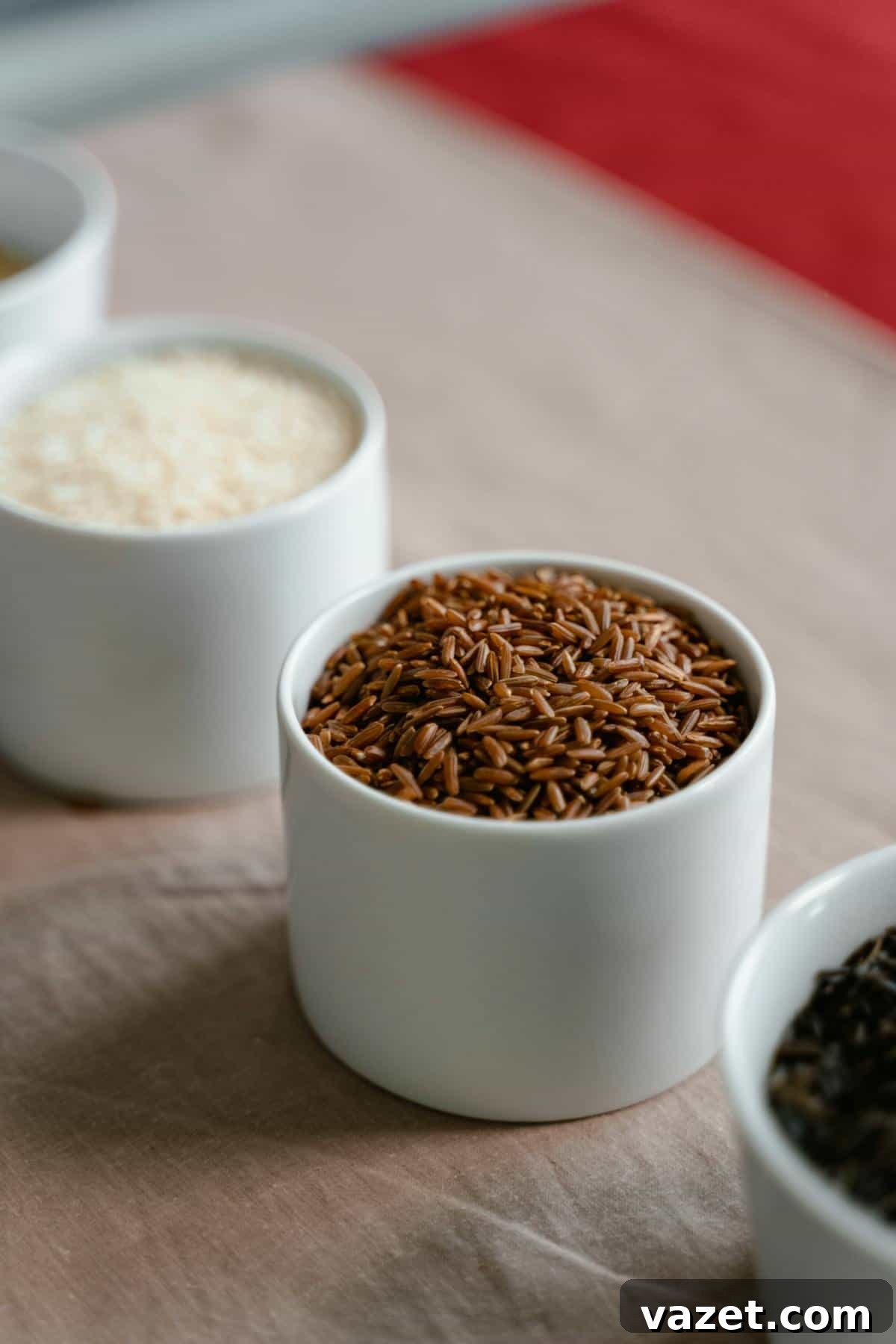
Jasmine Rice: The Fragrant Companion
Much like its aromatic counterpart Basmati, Jasmine rice is another immensely popular long-grain variety, predominantly cultivated in the lush fields of Thailand and Cambodia. It is the heart of Thai and other Southeast Asian cuisines, celebrated for its subtle nutty flavor and a distinct floral, almost popcorn-like aroma that gives it its evocative name. This characteristic fragrance is naturally present and becomes more pronounced upon cooking.
Jasmine grains are slightly shorter and a bit stickier than Basmati, yet they cook up moist and soft, offering a tender texture that makes them incredibly versatile. Its slight stickiness allows it to cling together gently, making it an excellent companion for saucy dishes. It shines brightly in recipes such as creamy coconut rice, robust Mexican ground beef skillets, or comforting chicken and rice casseroles. Available in both white and brown versions, Jasmine rice is a go-to side dish for grilled meats, delicate fish, vibrant stir-fries, and is a foundational ingredient in various pilafs, refreshing rice salads, and, most famously, fried rice dishes.
Its ability to absorb flavors while maintaining its unique aroma makes Jasmine rice an exceptional choice for a wide array of global dishes, always bringing a touch of comforting warmth and fragrance to the table. Rinsing Jasmine rice before cooking helps prevent excessive stickiness, ensuring a perfectly fluffy result that still retains its characteristic tenderness.
Make These Fried Rice Recipes with Jasmine Rice
Rice + Grains
Tofu Fried Rice
Rice + Grains
Basil Fried Rice
Rice + Grains
Pineapple Fried Rice
Wild Rice: The Grain That Isn’t
Despite its name, wild rice is not botanically a true rice (Oryza sativa) but rather the seed of an aquatic grass (Zizania aquatica and other related species). It grows predominantly in the shallow waters of lakes and slow-flowing streams across North America, particularly in the Great Lakes region, where it holds significant cultural and historical importance for indigenous communities. Distinguished by its long, dark grains with a distinct chewy outer sheath and tender inner core, wild rice offers a unique culinary experience.
Nutritionally, wild rice is a powerhouse. It is significantly richer in protein and fiber compared to many true rice varieties and boasts a lower glycemic index, making it a favorite among health-conscious eaters. Its robust, earthy, and distinctly nutty flavor profile sets it apart, lending depth to a variety of dishes. You’ll find it commonly used in hearty side dishes, vibrant salads, comforting soups, and as a more substantial, chewier alternative to bread in stuffings for poultry or vegetables.
Cooking wild rice requires a bit more patience due to its tough outer hull and slow water absorption. It typically takes up to an hour to cook fully. The best method is often akin to cooking pasta: boiling it in a generous amount of salted water until the grains burst open and reveal their creamy interior, then draining any excess water. Wild rice expands considerably, tripling or even quadrupling in size when cooked, so careful portioning is essential. Its firm texture and distinctive taste make it a gourmet addition to any meal.
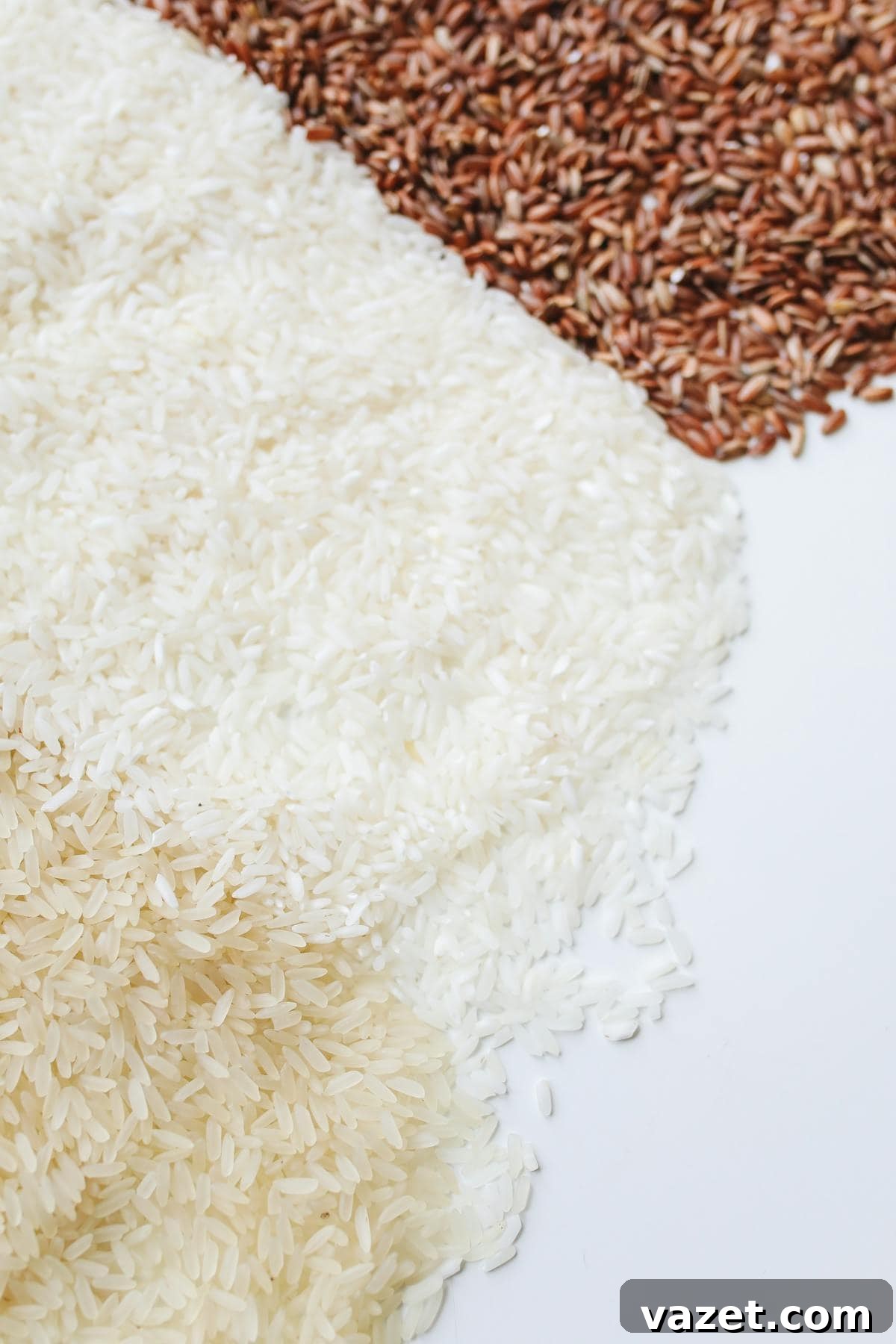
Arborio Rice: The Heart of Risotto
Arborio is an Italian short-grain rice, along with its close relative Carnaroli, that is world-renowned for its starring role in creamy, luxurious Italian risottos. Originating from the Po Valley in Italy, Arborio grains are short, plump, and oval-shaped. Their secret lies in their exceptionally high amylopectin starch content, which is released gradually during cooking, giving risotto its characteristic velvety texture and rich consistency.
While synonymous with savory risottos like a classic mushroom risotto, Arborio rice is also a fantastic choice for creating equally decadent rice puddings, where its creamy attributes truly shine. It’s not exclusively an Italian crop anymore; you can find high-quality Arborio rice cultivated in regions like California and Texas.
The art of cooking Arborio rice, especially for risotto, involves a specific technique: adding hot liquid (broth or wine) slowly, ladle by ladle, while continuously stirring. This method encourages the grains to rub against each other, releasing their starches and creating that signature creamy sauce. The goal is to cook the rice “al dente” – tender yet with a slight bite in the center. This patient, attentive process is well worth the effort, delivering a comforting, rich, and truly satisfying dish.
My Pro Tip
Recipe Tip
Crucially, do not rinse Arborio or Carnaroli rice before cooking. Those surface starches are precisely what you need to achieve the perfect creamy texture in your risotto. Rinsing would wash away the very essence of what makes these rice types ideal for this dish.
Black Rice: The Forbidden Grain Reborn
Often referred to as “forbidden rice” due to its historical exclusivity to Chinese emperors and the wealthy, black rice is a striking variety of Oryza sativa L. that is distinct from wild rice, despite their similar dark appearance. Its stunning deep purple-black hue comes from anthocyanin, a powerful antioxidant also found in blueberries and blackberries, making it a nutritional powerhouse.
Black rice boasts an impressive nutritional profile, high in protein, iron, and dietary fiber, and is almost always consumed as a whole grain. It delivers a rich, earthy, and distinctly nutty flavor with a slightly sweet undertone, and its texture ranges from firm and chewy to tender, depending on the variety and cooking method. Typically, black rice requires about an hour to cook, often benefiting from pre-soaking to reduce cooking time and ensure even doneness.
This vibrant grain works wonderfully in a multitude of dishes. Its robust flavor and appealing color make it an excellent base for colorful tofu and veggie bowls, a hearty side alongside a rich turmeric lentil stew, or even incorporated into exotic salads and creative desserts. Black rice not only adds a dramatic visual element to your plate but also contributes significant health benefits, making it a choice that is both delicious and nourishing.
Glutinous Rice: The Art of Stickiness
Glutinous rice, also widely known as sticky rice or sweet rice, is a staple across many Asian cuisines, celebrated for its unique softness and incredibly high amylopectin (waxy) starch content. This characteristic starch gives it its distinct compact and sticky texture when cooked, making it indispensable for dishes that require the grains to bind together or be easily molded.
While often used interchangeably with Japanese glutinous rice (like Mochigome), it’s important to note that Japanese varieties are just one type among many. Glutinous rice encompasses a broad category of short and medium-grain rices cultivated throughout Southeast Asia, China, and Japan, each with subtle variations in flavor and stickiness. From the perfectly formed sushi rolls and Japanese onigiri to the sweet mango sticky rice dessert of Thailand and the savory Vietnamese Banh Chung, sticky rice plays a pivotal role.
To achieve the ideal sticky texture, preparation is key. Glutinous rice benefits immensely from a long soak, preferably overnight or for at least 4-6 hours, which helps the grains absorb water evenly. The traditional and most effective cooking method involves steaming it in a bamboo basket or a dedicated sticky rice steamer, rather than boiling, to ensure individual grains remain intact yet perfectly cohesive and tender.
Brown Rice: The Wholesome Choice
Brown rice isn’t a single variety but rather refers to any type of rice grain – be it long, medium, or short – that has only had its outermost layer, the inedible hull, removed. This means the nutrient-rich bran and germ layers remain intact, making brown rice a whole grain. This minimal processing gives brown rice a chewier texture and a distinct, hearty, nutty flavor compared to its white rice counterparts, which have had the bran and germ removed through milling.
The presence of the bran and germ provides significant health benefits, including higher levels of dietary fiber, B vitamins, magnesium, and other essential minerals. The fiber content contributes to a feeling of fullness, aiding in weight management and promoting digestive health. However, because brown rice retains these layers, it naturally takes longer to cook than white rice, typically requiring more water and a longer simmering time.
Brown rice’s robust flavor and satisfying chewiness make it a versatile and healthy choice for a wide array of dishes. It’s excellent as a wholesome side dish, a foundation for nutritious bowls like Greek brown rice bowls, or incorporated into stir-fries, salads, and casseroles where its texture and flavor can truly shine.
“I love using brown rice when I cook, not only because it’s higher in fiber than white rice and therefore keeps me full longer, but also because of the chewy texture. The only thing I don’t love about brown rice is how long it takes to cook, so I usually keep a couple packets of 90-second microwave brown rice in the pantry for days when I’m in a hurry.”
— Anne Mauney, MPH, RD, fANNEtastic food
Essential Tips for Cooking Rice to Perfection
Regardless of the variety, mastering a few basic rice cooking techniques can elevate your results. Here are some pro tips to ensure perfectly cooked rice every time:
- Rinsing: For most long and medium-grain rices (like Basmati and Jasmine), rinsing under cold water until the water runs clear helps remove excess surface starch. This prevents the grains from sticking together too much, resulting in a fluffier texture. However, for starchy rices like Arborio or glutinous rice, rinsing is usually omitted to preserve their sticky or creamy qualities.
- Water-to-Rice Ratios: While specific ratios vary by rice type and desired consistency, a general guideline is 1.5 to 2 cups of water per 1 cup of rice for absorption method. Brown and wild rice typically require more water and longer cooking times due to their intact bran layers.
- Soaking: Soaking certain rice varieties, such as Basmati, wild rice, and glutinous rice, can significantly reduce cooking time and improve grain texture and elongation. Always check specific recipe recommendations.
- Cooking Method: The absorption method (rice simmered until all water is absorbed) is common for many types. Steaming is ideal for glutinous rice. Pressure cooking (like in an Instant Pot) can drastically cut down cooking time for all varieties, especially brown and wild rice.
- Resting: After cooking, letting the rice rest, covered, for 5-10 minutes allows the steam to redistribute moisture evenly, resulting in a more uniform and fluffy texture. Fluff with a fork before serving.
- Seasoning: A pinch of salt added to the cooking water enhances the rice’s natural flavor. You can also add a knob of butter or a drizzle of olive oil for extra richness.
Beyond the Plate: Nutritional Benefits of Rice
Rice is not just a versatile culinary ingredient; it’s also a significant source of nutrition, offering various health benefits depending on the type and processing:
- Energy Source: All types of rice are primarily carbohydrates, providing a vital and easily digestible energy source for the body.
- Whole Grain Advantages: Brown, black, and wild rice, being whole grains, are packed with dietary fiber. Fiber is crucial for digestive health, helps regulate blood sugar levels, and contributes to satiety, aiding in weight management.
- Antioxidants: Black rice, in particular, is rich in anthocyanins, potent antioxidants that help combat oxidative stress and may offer anti-inflammatory benefits.
- Vitamins and Minerals: Whole grain rices also provide essential vitamins and minerals, including B vitamins (thiamine, niacin, B6), magnesium, phosphorus, selenium, and manganese.
- Naturally Gluten-Free: For individuals with gluten sensitivities or celiac disease, all rice varieties are naturally gluten-free, making them a safe and nutritious staple.
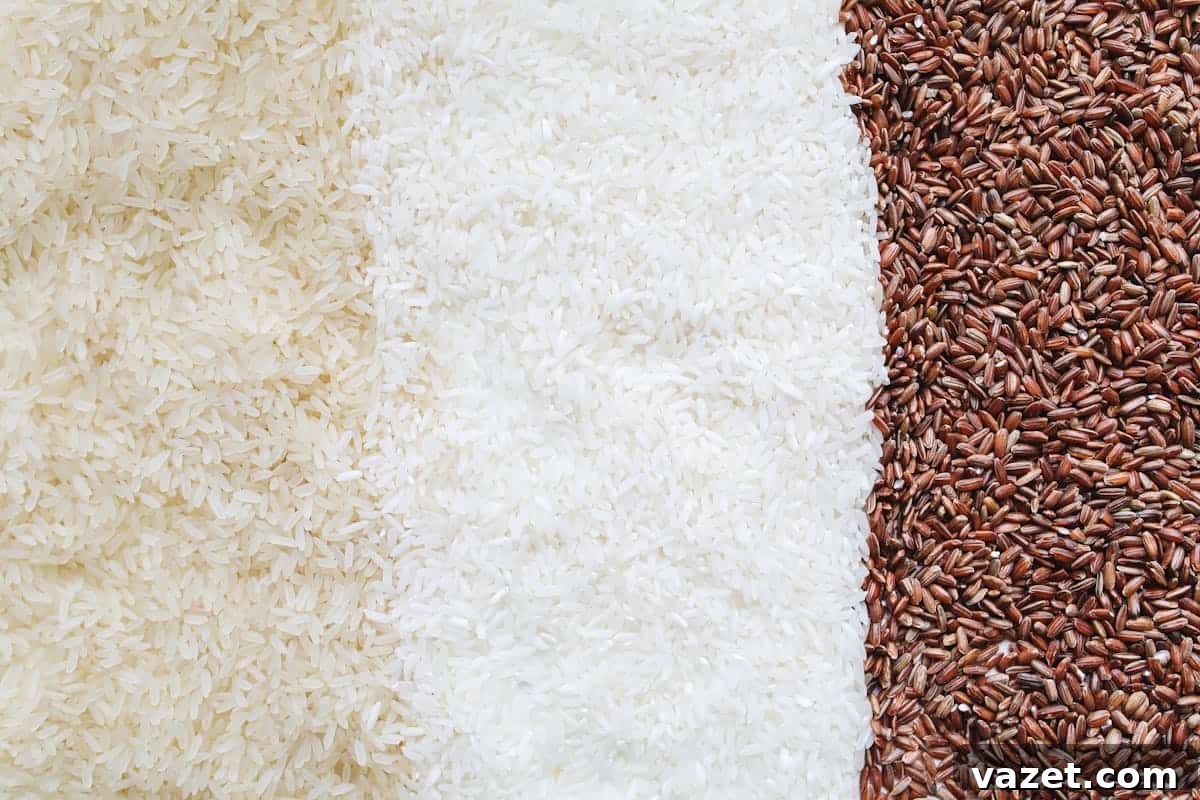
The Last Word on Rice: Embrace the Diversity
As this guide illustrates, the world of rice extends far beyond a single grain. From the distinct aromas of Basmati and Jasmine to the hearty chew of wild rice and the creamy embrace of Arborio, each variety offers a unique textural and flavor profile waiting to be explored. Understanding these differences empowers you to make informed choices that will elevate your cooking, whether you’re aiming for a fluffy side dish, a decadent risotto, or a sticky sushi roll.
Remember that most cooked rice types also freeze exceptionally well, offering a convenient way to prepare meals in advance and reduce food waste. So, don’t shy away from experimenting! Embrace the incredible diversity of rice, discover new favorites, and let each unique grain inspire your next culinary adventure, perfecting every meal from a simple weeknight dinner to an elaborate feast with your favorite curry.
This article originally appeared on Food Drink Life.