

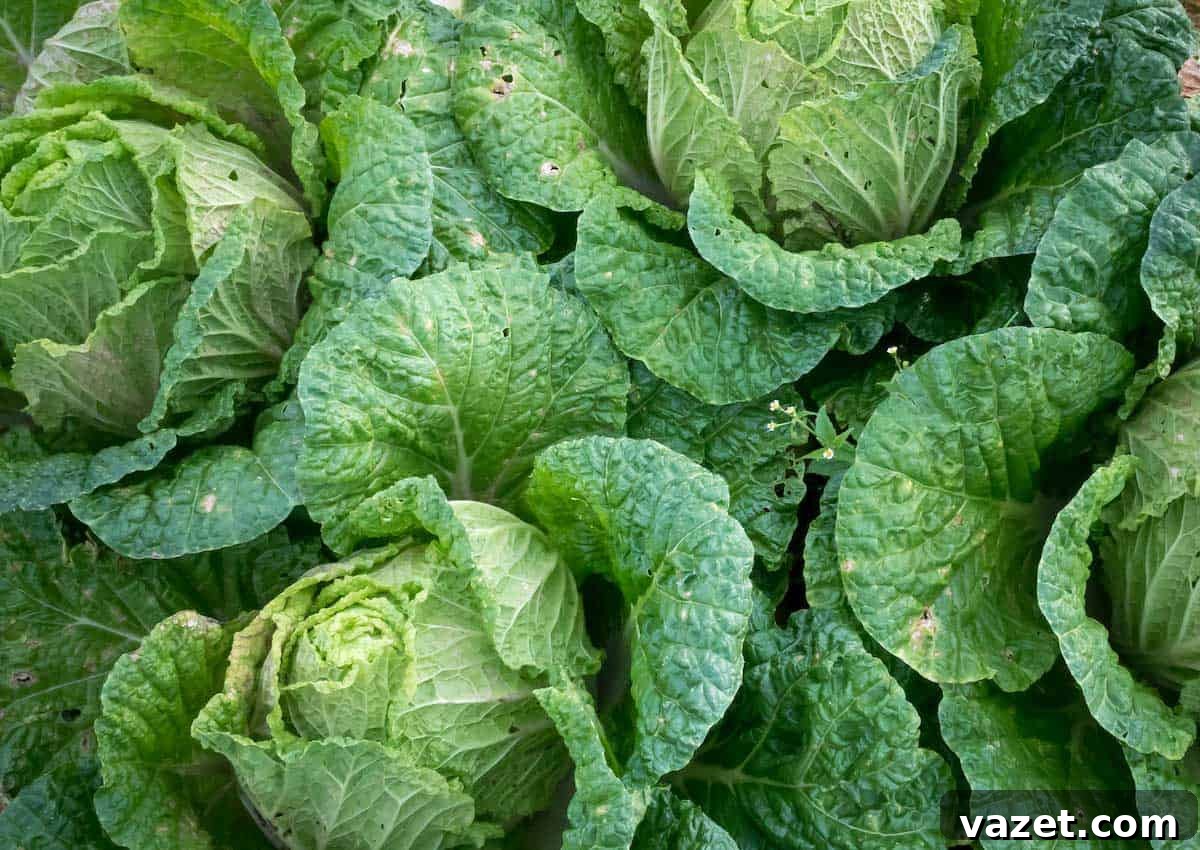
Have you ever found yourself with a bountiful head of cabbage, wondering, “**Can you freeze cabbage?**” before it inevitably starts to wilt away in your refrigerator? The answer is a resounding yes! Freezing cabbage is an incredibly effective and simple method to preserve this versatile cruciferous vegetable, whether it’s crisp green cabbage, vibrant red cabbage, delicate Savoy, or mild Napa cabbage. This comprehensive guide will walk you through the proper techniques to freeze cabbage, ensuring you can enjoy its fresh flavor and nutritional benefits in your favorite recipes year-round.
The Abundant Benefits of Freezing Vegetables
Freezing is a remarkable food preservation technique that offers a multitude of advantages beyond simply extending shelf life. For both fruits and vegetables, including hearty cabbage, it’s a practice that benefits your health, your wallet, and even the environment.
Preserving Peak Freshness and Nutrition
One of the primary benefits of freezing vegetables like cabbage is its ability to lock in freshness, essential nutrients, and natural flavors. Unlike canning or dehydrating, which often involve heat that can degrade vitamins, freezing rapidly halts enzymatic activity, which is the main cause of spoilage and nutrient loss. This means that when you thaw your frozen cabbage, it retains much of its original vitamin C, K, and other vital minerals, offering you garden-fresh quality even months after harvest. Whether you’re freezing corn on the cob, avocados, or zucchini, this method allows you to enjoy the full spectrum of fresh produce year-round, regardless of season.
Minimizing Food Waste and Maximizing Savings
Freezing is an excellent strategy for combating food waste, a significant global issue. How many times have you bought a large head of cabbage for a single recipe, only to watch the remaining portions spoil? Freezing eliminates this problem entirely. By preserving excess produce, you prevent it from ending up in the trash, which is good for your household budget and the planet. Furthermore, freezing is incredibly cost-effective. It empowers you to purchase vegetables like cabbage in bulk when they are in season and priced lower, saving you money in the long run. No more feeling compelled to eat cabbage every day just to use it up before it goes bad – simply freeze the surplus and enjoy it at your leisure.
Unparalleled Convenience for Meal Prep
Imagine having perfectly prepped cabbage ready to go for any meal. Freezing allows you to do just that. By preparing your cabbage (chopping, shredding, or quartering) before freezing, you’re essentially creating your own convenient, ready-to-use ingredients for future dishes. This significantly cuts down on meal preparation time during busy weeknights. From a hearty cabbage and sausage skillet to a quick fried cabbage and bacon side dish, having frozen cabbage on hand means less chopping and more enjoying. It’s a smart way to streamline your cooking process and ensure healthy, delicious meals are always within reach.
The Right Way to Freeze Cabbage: A Step-by-Step Guide
Freezing cabbage is a straightforward process that ensures its freshness and nutritional value are preserved for several months. When done correctly, frozen fresh cabbage will be a convenient addition to your culinary arsenal, ready for a myriad of future recipes. Here’s a detailed, step-by-step guide to achieving perfectly frozen cabbage:
- Choose and Clean Your Cabbage: Start with fresh, firm heads of cabbage, free from significant blemishes or soft spots. Any variety, be it green, red, Savoy, or Napa, works well. Begin by thoroughly washing the entire head of cabbage under cool, running water. Gently pull away and discard any outer leaves that appear damaged, wilted, or discolored.
- Prepare the Cabbage According to Future Use: This crucial step determines how convenient your frozen cabbage will be. Consider how you intend to use the cabbage later.
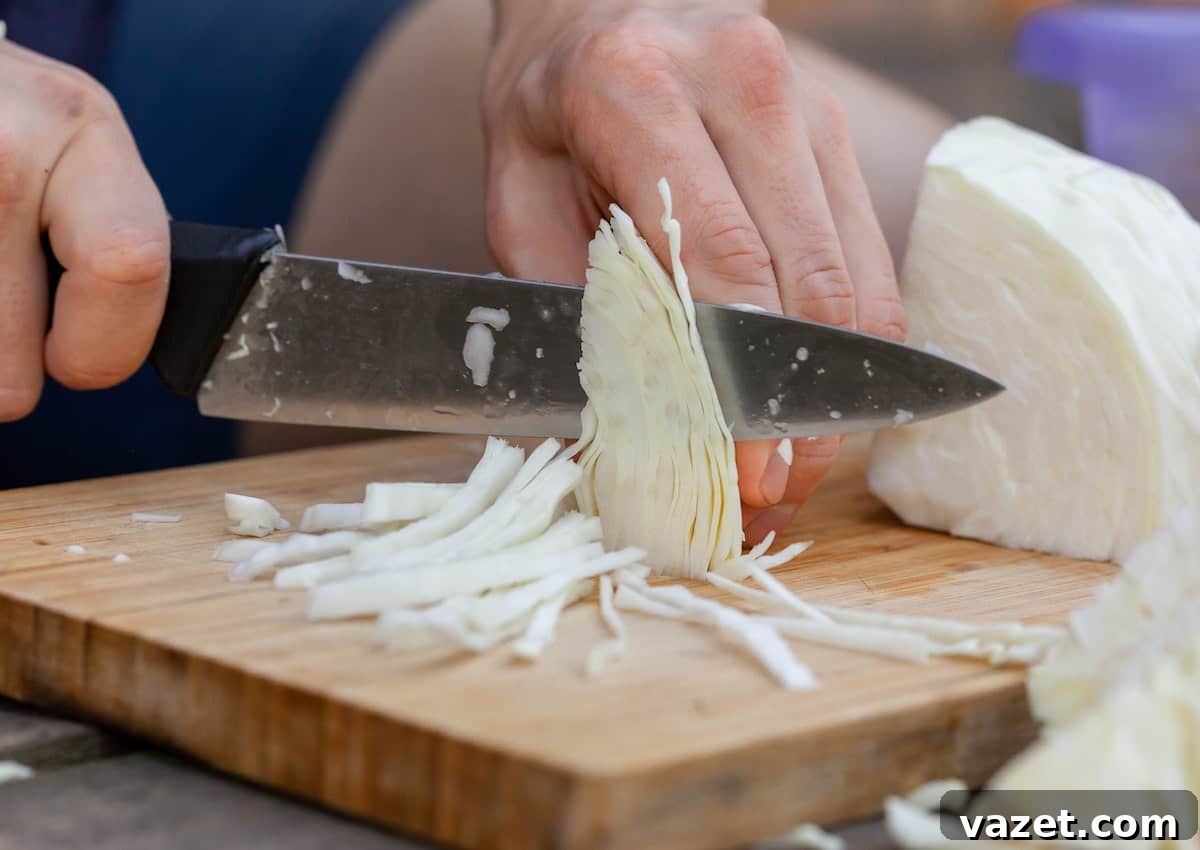
- For soups, stews, or stir-fries, chop the cabbage into bite-sized pieces or wedges.
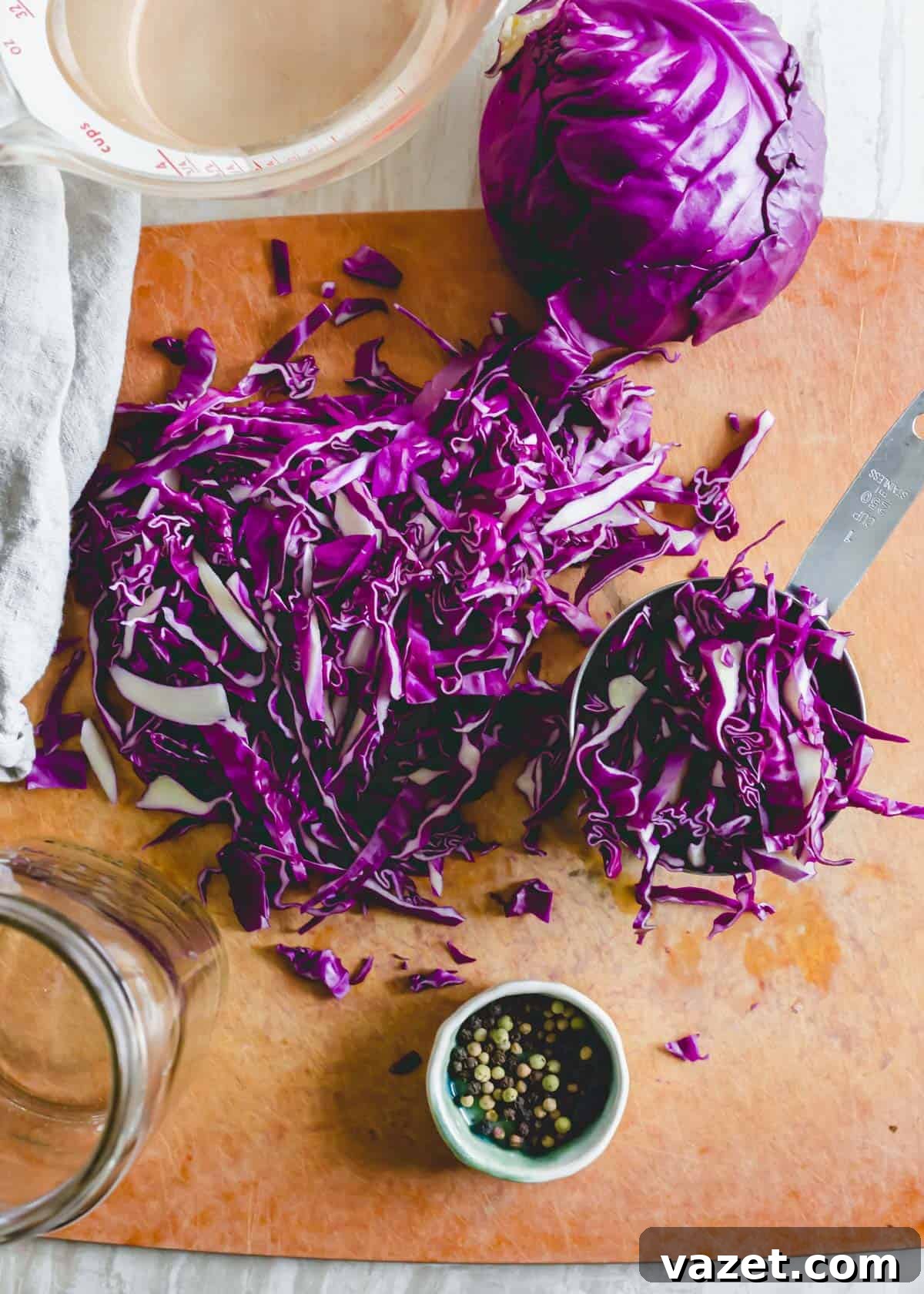
- For coleslaw or fermented dishes like sauerkraut, shred the cabbage finely.
- If you plan to make cabbage rolls, carefully separate individual leaves from the core, making sure they remain intact.
- For roasting or grilling as “cabbage steaks,” slice the cabbage into thick, even rounds.
Pre-preparing in different cuts provides maximum versatility when you reach for it in the freezer.
- Blanch the Cabbage for Optimal Quality: Blanching is arguably the most vital step in freezing most vegetables, especially cabbage. This brief heat treatment deactivates enzymes responsible for color, flavor, and nutrient degradation during freezing.
- Bring a large pot of water to a rolling boil.
- Carefully immerse the prepared cabbage pieces into the boiling water.
- Blanch for one to two minutes for shredded or chopped cabbage, and up to three minutes for larger wedges or whole leaves.
- Avoid over-blanching, as this can lead to a mushy texture.
This quick dip in hot water ensures your cabbage retains its vibrant color, crisp texture, and nutritional value once frozen.
- Rapidly Shock in Ice Water: Immediately after blanching, use a slotted spoon to transfer the hot cabbage directly into a large bowl filled with ice water. This “shocking” process quickly halts the cooking, preventing the cabbage from becoming too soft and helping to preserve its crispness and bright color. Allow the cabbage to cool completely in the ice bath, usually for the same amount of time it was blanched.
- Thoroughly Drain and Dry: Once chilled, drain the cabbage extremely well. Excess moisture is the enemy of quality frozen produce, as it can lead to ice crystals and freezer burn. Spread the blanched and shocked cabbage in a single layer on clean paper towels or a clean kitchen towel. Gently pat it dry, absorbing as much surface moisture as possible. You can even let it air dry for a short period on a wire rack if time allows, ensuring it’s as dry as possible before moving to the next step.
- Portion and Pack for Freezing: Divide the thoroughly dried cabbage into convenient portions that you are likely to use in a single recipe. This prevents you from having to thaw more than you need. Use high-quality, airtight freezer bags (like reusable silicone bags) or rigid freezer-safe containers. Press out as much air as possible from freezer bags before sealing to minimize freezer burn. For shredded or chopped cabbage, consider flash freezing it first: spread the dry cabbage in a single layer on a baking sheet, freeze for an hour or two until solid, then transfer the solid pieces to your final storage bags. This prevents clumping and allows you to grab just a handful if needed.
- Label and Date for Easy Tracking: Before placing your cabbage in the freezer, clearly label each bag or container with the contents (e.g., “Shredded Green Cabbage”) and the date of freezing. This simple step is vital for proper inventory management and ensures you use the oldest items first, maintaining quality and food safety.
“When I have leftover cabbage, I cut it into large chunks or quarters and blanch it in a salty hot water bath for a minute. Then, I transfer it to a bowl of cold water. Drain the cabbage and then let it dry on a clean towel. Before freezing it, I like to shred the cabbage into small pieces so it’s ready to add to stir-fries, soups or casseroles. Finally, I store the dried cabbage in freezer bags.”
— Jere’ Cassidy, One Hot Oven
Can You Freeze Cabbage Without Blanching? The Raw Freezing Method
While blanching is highly recommended for preserving the quality of frozen cabbage, it is technically possible to freeze cabbage without this step. This method appeals to those looking for a quicker freezing process, but it comes with certain trade-offs that are important to understand.
Understanding the Trade-offs
Skipping the blanching process means the enzymes responsible for spoilage are not deactivated. Over time in the freezer, these enzymes can cause undesirable changes in the cabbage, leading to:
- Changes in Color: The vibrant green or red hues may dull or turn slightly grayish.
- Alterations in Texture: Unblanched cabbage tends to become softer, sometimes even mushy, after thawing. It loses its crispness, making it less suitable for dishes where texture is key, like coleslaw.
- Flavor Degradation: The flavor can become slightly stronger, more bitter, or simply “off” compared to blanched frozen cabbage.
- Reduced Shelf Life: Unblanched cabbage typically has a shorter freezer life, generally recommended for use within a few weeks to a couple of months for best quality.
However, if you plan to use the cabbage in heavily cooked dishes like soups, stews, or casseroles where texture and subtle flavor changes are less noticeable, freezing without blanching can be an acceptable shortcut. For example, if you’re making a dish like Utica greens side dish, where the cabbage is cooked down significantly, the slight changes from unblanched freezing might not be a deal-breaker.
Steps for Freezing Cabbage Without Blanching:
- Thoroughly Clean the Cabbage: Just as with the blanched method, wash the cabbage meticulously under cool, running water. Remove and discard any outer leaves that are damaged, wilted, or otherwise undesirable.
- Prepare by Chopping or Shredding: Decide how you’ll use the cabbage later and prepare it accordingly. Chop it into bite-sized pieces for stir-fries, or shred it for quick additions to cooked meals. Keep in mind that larger pieces may experience more noticeable textural changes without blanching.
- Crucially, Dry the Cabbage Completely: This step is even more important when not blanching. After washing and cutting, spread the cabbage pieces on clean paper towels or a clean kitchen towel. Pat them thoroughly dry to remove all excess surface moisture. Any lingering water can turn into ice crystals, accelerating freezer burn and further compromising the cabbage’s quality. Consider allowing it to air dry for an hour if possible.
- Pack for Freezing: Divide the dried, raw cabbage into single-use portions. Place these portions into airtight freezer bags or containers, removing as much air as possible before sealing. Flash freezing on a baking sheet first (as described in the blanched method) is highly recommended for shredded or chopped raw cabbage to prevent it from clumping together.
- Label and Date Clearly: Always label your storage bags or containers with the contents (“Raw Shredded Cabbage”) and the date of freezing. This helps you keep track and use it within its shorter recommended timeframe for optimal quality.
My Pro Tip
Recipe Tip
Maximize your efficiency by freezing cabbage in various cuts. For instance, shredded cabbage is ideal for recipes like red cabbage sauerkraut or Irish coleslaw, while larger chopped pieces work wonderfully for a hearty Instant Pot cabbage soup. Having different cuts on hand means less prep time when you’re ready to cook.
Freezing Cabbage Steaks
Cabbage steaks have become a popular and deliciously crispy side dish, especially when prepared in an air fryer. The good news is that you can absolutely freeze cabbage in this convenient form to enjoy later.
To freeze cabbage steaks, slice your whole cabbage into thick, even “steaks” (typically about 1/2 to 1 inch thick). Then, follow the raw freezing method outlined above. It’s important to freeze them raw, without blanching, because the blanching process would cause the slices to soften and lose their structural integrity, making them difficult to handle and cook as steaks later on. Ensure they are thoroughly dried before packaging individually or flash freezing on a baking sheet to prevent sticking, then transfer to an airtight container or freezer bag.

How Long Can You Freeze Cabbage?
The duration for which frozen cabbage retains its optimal quality depends on whether it has been blanched and whether it was cooked before freezing.
Raw, Blanched Cabbage
When properly blanched and stored in an airtight container at 0°F (-18°C) or below, frozen blanched cabbage can retain its quality for about **eight to twelve months**. For the absolute best taste and texture, it is generally recommended to use it within six to nine months. Beyond this timeframe, while it will still be safe to eat, you may notice a gradual decline in its quality, flavor, and texture.
Raw, Unblanched Cabbage
As discussed, unblanched cabbage does not fare as well in the freezer. For the best quality, try to use raw, unblanched frozen cabbage within **one to two months**. Its texture and flavor are more susceptible to change without the enzyme-deactivating step of blanching.
Cooked Cabbage
If you have leftover cooked cabbage from a dish, it can also be frozen. Cooked cabbage generally maintains its quality for approximately **two to three months** when stored correctly in the freezer. To freeze cooked cabbage, first ensure it cools completely to room temperature. Then, follow the same airtight packing and labeling steps as you would for fresh cabbage. This is an excellent way to prepare meals in advance or save delicious leftovers.
Thawing and Using Frozen Cabbage
The thawing process for frozen cabbage isn’t always necessary and largely depends on how you plan to use it in your cooking. Knowing when to thaw and when to cook directly from frozen can save you time and preserve the cabbage’s integrity.
Direct-to-Cook Applications
For many applications, especially those involving liquid or significant cooking, you can add frozen cabbage directly to your dish without thawing. This is ideal for:
- Soups and Stews: Toss shredded or chopped frozen cabbage directly into your simmering soups or hearty stews. It will thaw and cook down beautifully within the liquid.
- Stir-Fries: Add frozen chopped or shredded cabbage towards the end of your stir-fry cooking process. The high heat will quickly thaw and cook it, adding a fresh crunch.
- Casseroles: Frozen cabbage can be layered directly into casseroles before baking, where it will thaw and integrate into the dish as it cooks.
- Sautéed Dishes: For dishes like a ground beef and cabbage skillet, frozen cabbage can be added directly to the pan and sautéed until tender.
When Thawing is Recommended
Some recipes benefit from, or even require, thawing frozen cabbage beforehand. This is typically when you need to handle individual pieces, or when a specific texture is desired that direct-from-frozen cooking might compromise.
- Cabbage Rolls: If you froze individual blanched cabbage leaves for rolls, you’ll want to thaw them completely. Transfer the frozen leaves to the refrigerator the night before you plan to use them. This allows them to become pliable enough to roll without tearing.
- Roasted Cabbage: For roasted cabbage quarters or wedges, thawing them in the refrigerator overnight is best. This helps remove excess moisture and allows them to roast more evenly, achieving better caramelization.
- Cabbage Steaks: Similarly, for air-fried or pan-fried cabbage steaks, thawing them in the refrigerator beforehand will yield the best results, allowing them to crisp up properly without becoming watery.
- Coleslaws or Salads: While freezing generally softens cabbage, if you’re making a red cabbage and apple coleslaw or another cold dish where a specific texture is desired, thaw the cabbage in the refrigerator. Be aware that the texture will be softer than fresh cabbage, so you might need to adjust expectations for crispness.
Always drain any accumulated liquid from thawed cabbage before using it in your recipes to prevent sogginess.
Beyond Coleslaw: Creative Ways to Use Frozen Cabbage
Once properly frozen, the culinary possibilities for cabbage extend far beyond traditional coleslaw. Its subtle flavor and tender texture (especially when blanched) make it a versatile ingredient for countless meals. Here are some inspiring ideas to make the most of your frozen cabbage stash:
- Hearty Soups and Stews: Frozen cabbage is a natural fit for comforting winter dishes. Add it to a classic beef and cabbage soup, a vegetable minestrone, or a nourishing chicken stew. It breaks down beautifully, adding bulk and nutrition.
- Quick Stir-Fries: For a speedy weeknight dinner, toss shredded or chopped frozen cabbage into a vibrant stir-fry alongside your favorite protein and other vegetables. It pairs wonderfully with dishes like homemade shrimp lo mein, absorbing the delicious sauces.
- Flavorful Casseroles: Layer frozen cabbage into baked casseroles, like a ground beef and cabbage casserole or a cheesy vegetable bake. It adds a satisfying texture and health benefits without extra prep.
- Sheet Pan Dinners: Simplify your cooking with sheet pan meals. Combine frozen cabbage wedges with protein like sheet pan pork chops, apples, and root vegetables for an easy, flavorful fall dinner.
- Tacos and Wraps: Add a zesty crunch by pickling thinly sliced frozen cabbage. Once thawed, quick-pickle it with vinegar and spices, then use it as a topping for tacos, pulled pork sandwiches, or even in a creamy dijon egg salad for added texture.
- Braised Side Dishes: Braise frozen cabbage with onions, bacon, or apples for a delicious and tender side dish that complements roasted meats or poultry.
- Dumpling or Spring Roll Fillings: If you have finely shredded frozen cabbage, it can be a great addition to the filling for homemade dumplings, potstickers, or spring rolls, adding a fresh, earthy note.
Final Thoughts on Freezing Cabbage
Freezing cabbage stands out as a simple, effective, and highly beneficial method to preserve its freshness, nutritional value, and versatile nature for an extended period. It’s an ideal solution for preventing food waste, saving money by buying in bulk, and ensuring you always have a healthy vegetable on hand for quick and easy meal preparation.
With the clear, easy-to-follow steps outlined in this guide, you can confidently freeze any type of cabbage with excellent results. Whether you opt for the recommended blanching method to maintain optimal color, flavor, and texture, or choose the quicker raw freezing technique for certain applications, both approaches offer valuable advantages for your kitchen. So, the next time you find yourself with an abundance of this wonderful cruciferous vegetable, you’ll not only know the answer to “**Can you freeze cabbage?**” but you’ll also know precisely how to do it right, ensuring delicious meals and minimized waste.
How to Freeze Cabbage
Print Recipe
Ingredients
- 1 head of cabbage
- sharp chef’s knife
Instructions
-
Clean the cabbage under cool running water and remove any wilted or damaged outer leaves.
-
Cut cabbage as desired — separate individual leaves, shred, chop, quarter or slice into steaks.
-
If blanching, bring a large pot of water to a boil and blanch the cabbage for 1-2 minutes. Transfer the cabbage to a large bowl of ice water to shock it and stop the cooking process. Drain onto paper towels to absorb excess moisture.
-
Pack the cabbage into freezer safe bags or containers, label and date accordingly and transfer to the freezer.
-
Cabbage can also be frozen without blanching and transferred directly to the freezer after chopping.
Nutrition
Calories: 73kcal
Carbohydrates: 17g
Protein: 4g
Sodium: 25mg
Fiber: 6g
Sugar: 9g
Nutrition information is automatically calculated, so should only be used as an approximation.
Additional Info
This article originally appeared on Food Drink Life.