
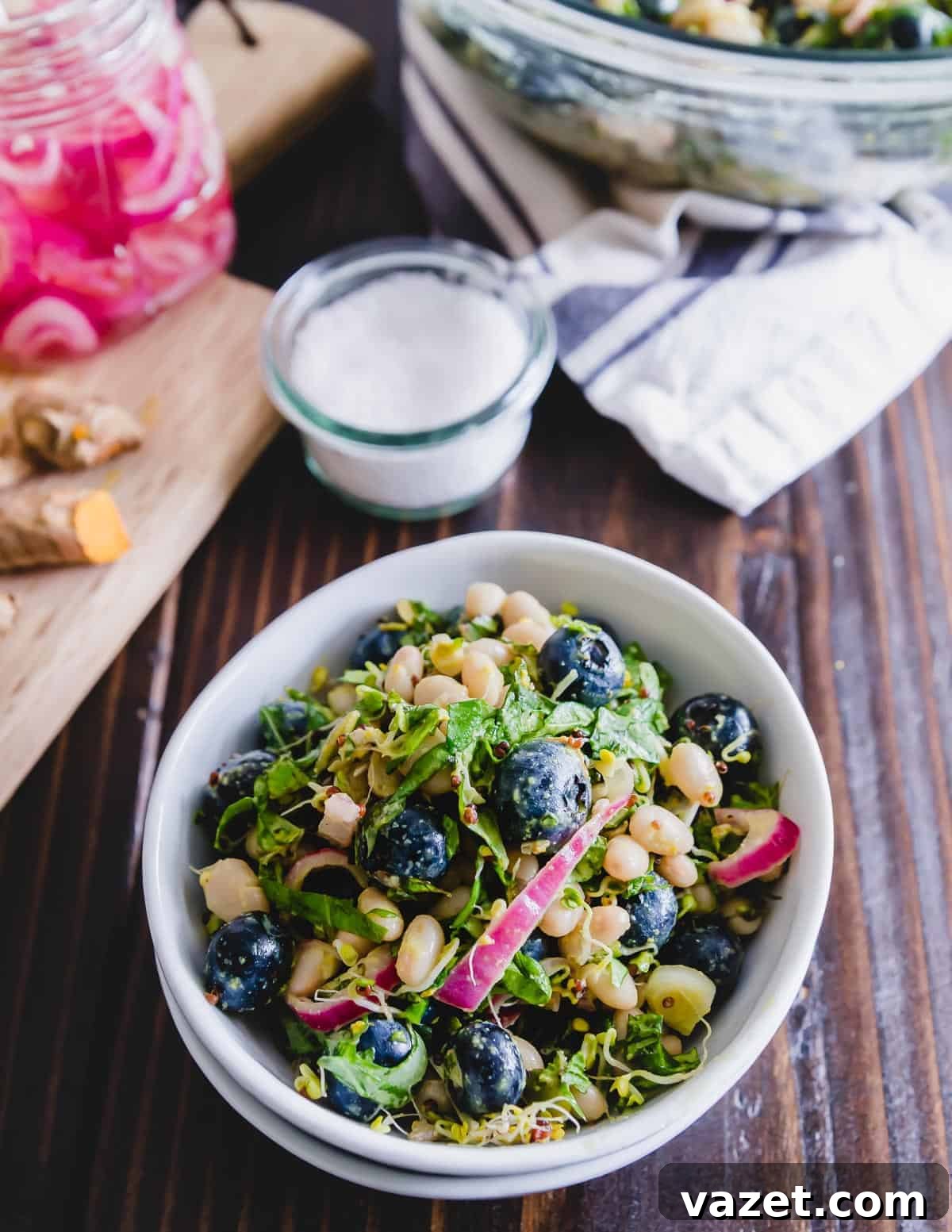
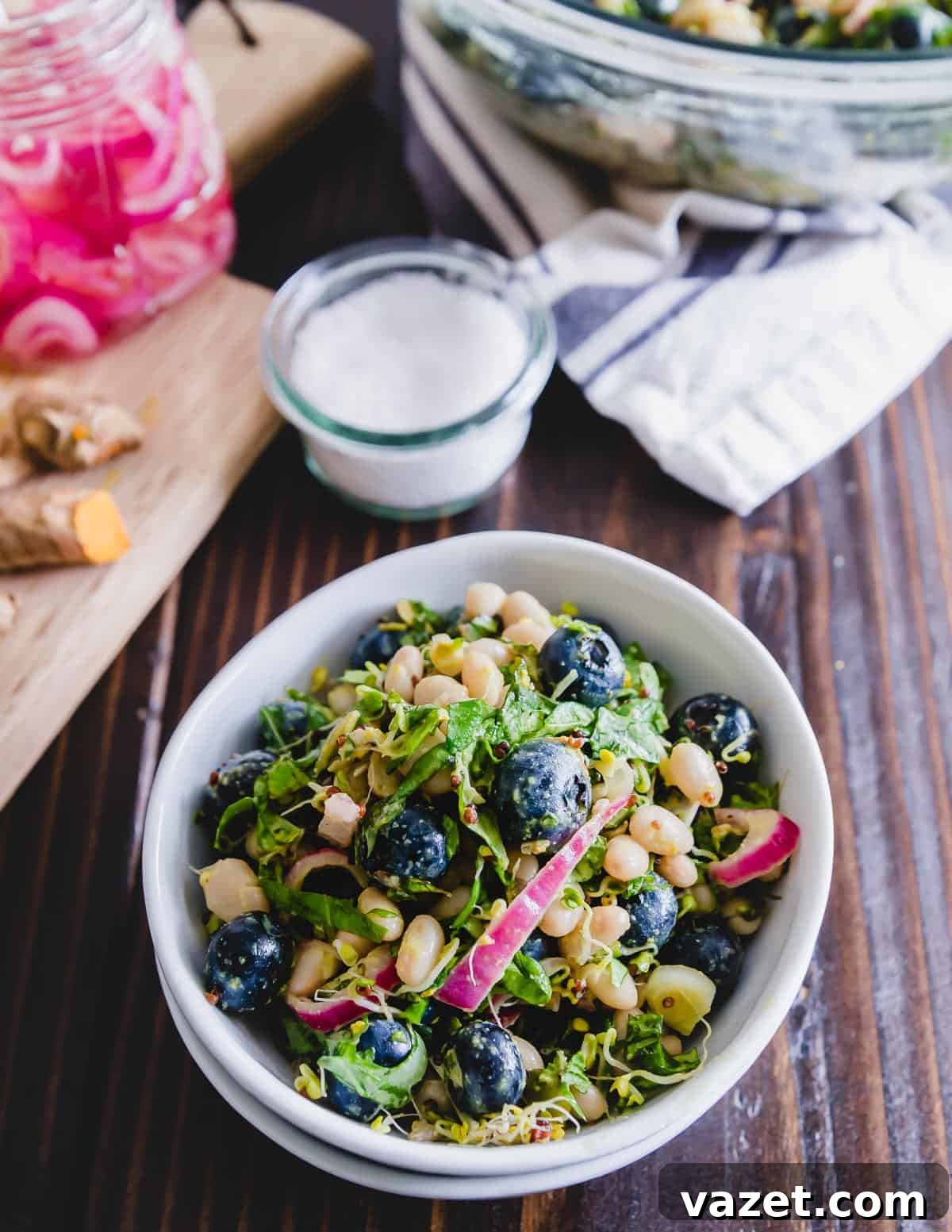
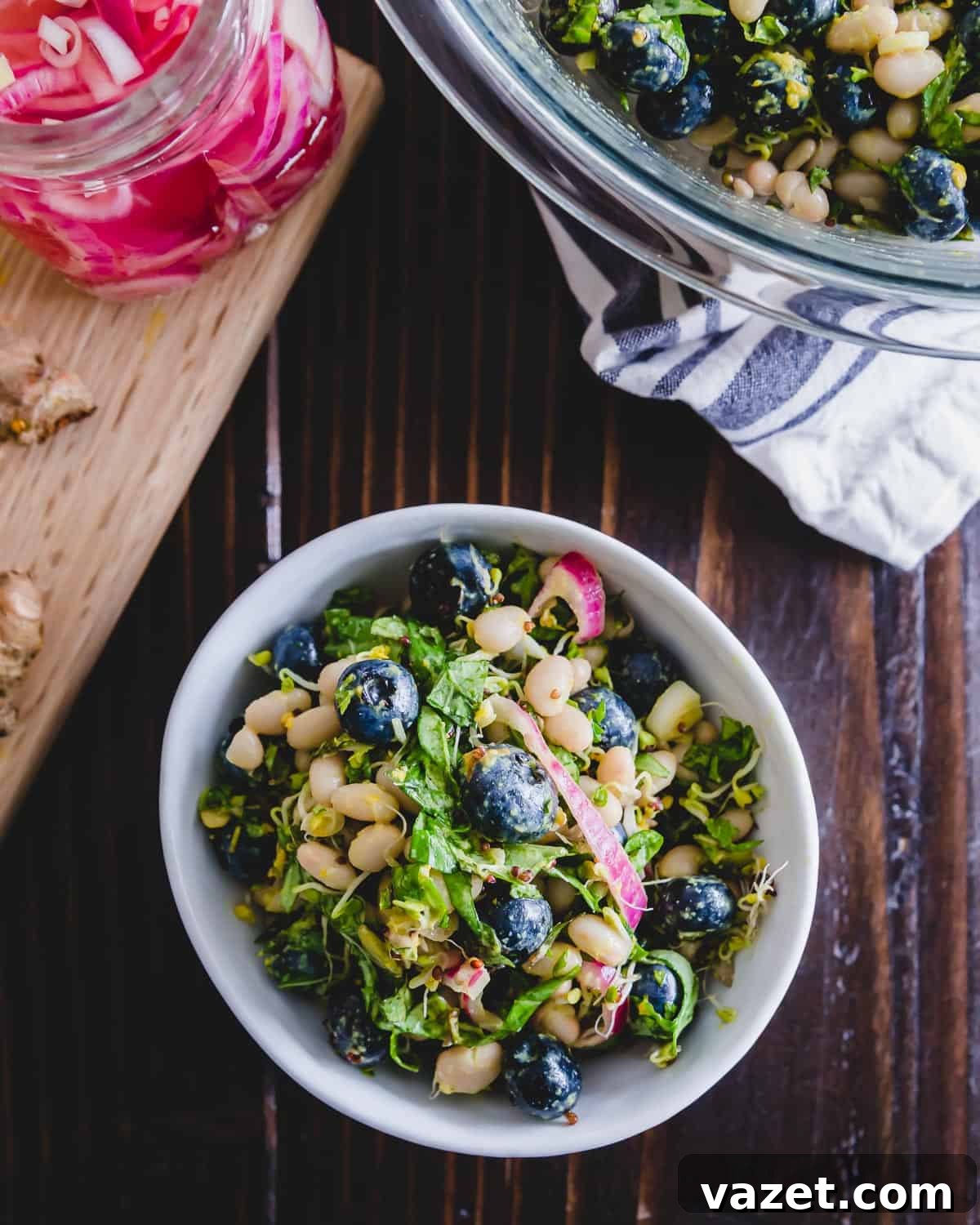
Experience a symphony of flavors and wellness with this exquisite Blueberry White Bean Salad, beautifully coated in a creamy, anti-inflammatory tahini turmeric dressing. This vibrant dish brings together the freshness of blueberries, aromatic basil and mint, the tangy kick of pickled red onions, and the wholesome goodness of white beans. Enhanced with nutritious broccoli sprouts, pumpkin, and sunflower seeds, it offers a delightful crunch and a powerful boost of health-promoting compounds.
This article is proudly sponsored by the Arthritis Foundation, an organization dedicated to enhancing the lives of people with arthritis. All insights and opinions shared are my own.
Embracing Plant-Forward Eating for Optimal Health
The journey towards a more plant-centric diet has been a transformative experience for me, especially in recent years. What started as an exploration into long-term health and wellness, fueled by extensive reading and podcast insights, has evolved into a significant dietary shift. While I haven’t entirely bid farewell to meat, meals that prioritize plant-based ingredients have become the norm rather than the exception. This emphasis on incorporating a wide variety of plants into my weekly diet has become an engaging challenge, almost a personal “game” to maximize nutritional diversity. This shift naturally led to a substantial increase in my consumption of legumes like beans and lentils, making my pantry a more frequented spot than my freezer.
This evolving approach to eating has fundamentally reshaped my meal planning. Where once animal protein was a staple in most meals, now it might feature in just one a day, or even none at all – a concept that would have astonished me just a year ago. It’s been incredibly rewarding to discover new ways of creating satisfying and wholesome meals, pushing the boundaries of traditional plate compositions. This Blueberry White Bean Salad perfectly embodies this culinary evolution. In the past, I might have viewed it as a delightful side dish alongside a steak or chicken. Today, I enthusiastically enjoy a generous bowl of this vibrant salad as a complete main course, perhaps complemented by some crisp crackers or creamy avocado toast. It’s a testament to the power of plants to create incredibly fulfilling and delicious dining experiences.
The Anti-Inflammatory Powerhouse: More Than Just a Salad
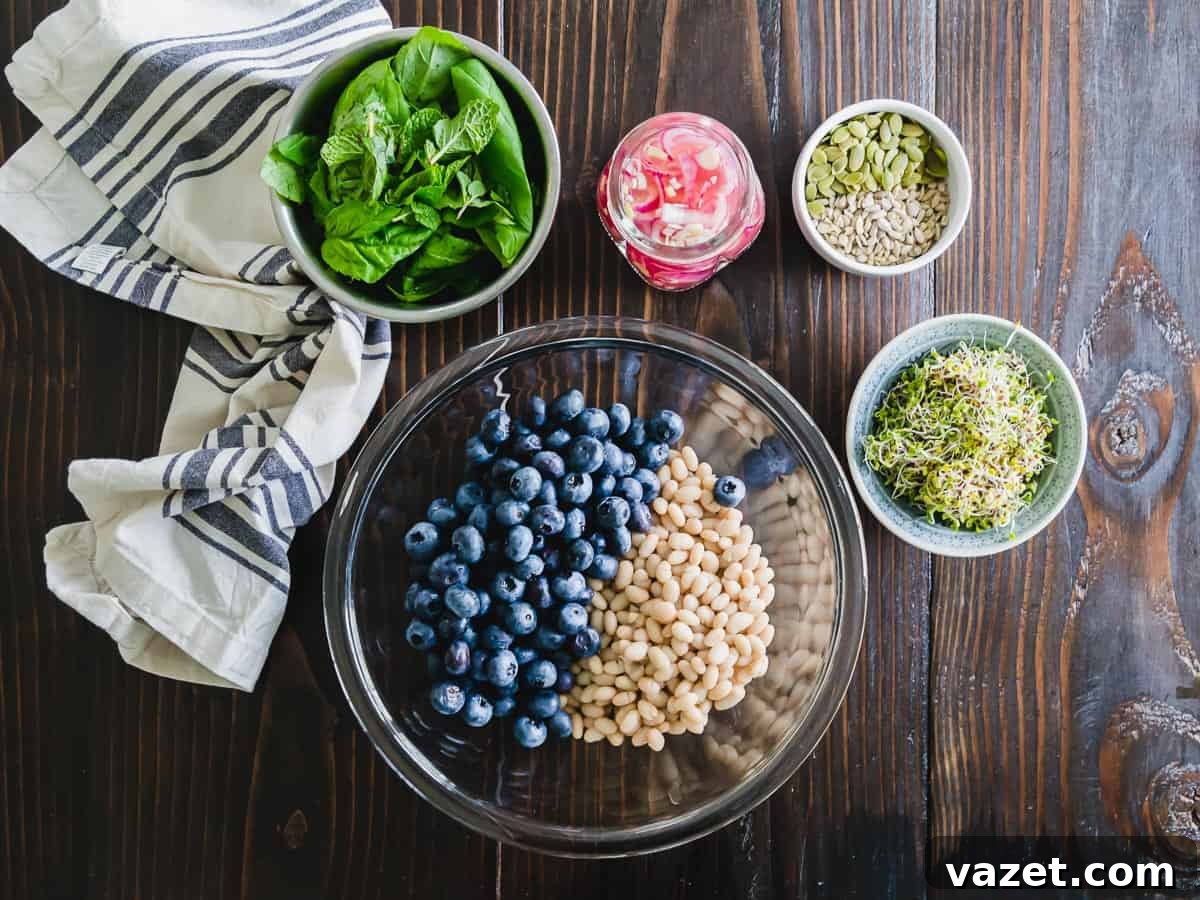
Beyond its delicious taste, this Blueberry White Bean Salad, complete with its unique turmeric tahini dressing, is a nutritional powerhouse brimming with anti-inflammatory components. Each ingredient plays a vital role in contributing to overall well-being and supporting the body’s natural defense against inflammation. The white beans, rich in fiber, promote gut health and satiety. Pumpkin and sunflower seeds deliver a healthy dose of beneficial fats, essential minerals like iron, and antioxidants. Broccoli sprouts, known for their detoxification properties, add another layer of nutritional benefit. Blueberries, a superfood in their own right, are packed with antioxidants and compounds that can help reduce inflammation.
This recipe was crafted in partnership with the Arthritis Foundation, building on previous successful collaborations such as the sheet pan turmeric salmon and Instant Pot coconut pork. While I’ve cherished every recipe developed in support of their mission, this particular bean salad holds a special place. It not only allowed me to create a dish abundant in anti-inflammatory ingredients, often sought after by individuals managing arthritis pain, but also provided a unique opportunity to connect with a remarkable member of the arthritis community. Through her story, I gained deeper insight into the profound impact of juvenile arthritis (JA) following her diagnosis at a tender age of three.
Arthritis is far more prevalent than many realize, affecting 54 million Americans, which translates to one in four individuals, including a staggering 300,000 children. These statistics, while impactful, often abstract the deeply personal human experience of living with the disease. This is precisely why I felt compelled to share excerpts from my interview with Shannan, a testament to resilience and advocacy in the face of chronic illness.
Shannan’s Journey: Living with Juvenile Arthritis
The following interview with Shannan, thoughtfully paraphrased, sheds light on the daily realities and unwavering spirit of someone living with juvenile arthritis.
Question: To begin, Shannan, could you share a brief overview of your story with us?
Shannan: My diagnosis came at the tender age of three. Growing up in the 80s, obtaining an accurate diagnosis was incredibly challenging. I never crawled as a baby, and my knees were a constant source of pain, which I often pointed to as a child. When we finally received the diagnosis, my parents were told I would likely be in a wheelchair by age six – a prediction, thankfully, that never came to pass. I underwent numerous treatments, from occupational and physical therapy to more experimental approaches like gold shots. During school, teachers misinterpreted my resting my head on the desk as boredom, unaware it was due to debilitating neck pain. Through high school, I endured leg surgeries, trying desperately to conceal my condition. In an era before social media, connecting with others who shared my experience felt impossible. After completing my bachelor’s degree, I discovered a broader community of individuals living with arthritis, which inspired me to connect with the Arthritis Foundation and give back. A significant turning point occurred in 2018 when I underwent bilateral shoulder replacements. I never anticipated needing shoulder replacements at that point in my life, but the pain emerged with sudden and intense severity.
Question: How are you involved with the Arthritis Foundation and their ambassador program?
Shannan: As a platinum ambassador, my role is primarily in advocacy. I initially began volunteering with the New York office. In 2016, I was invited to their advocacy summit in Washington D.C. Prior to this, I hadn’t fully grasped the intersection of politics and chronic disease. The conference was incredibly eye-opening, and I’ve been deeply involved ever since. Simply sharing personal stories with Congressmen can make a profound difference. Many people are genuinely unaware that arthritis affects young individuals, including children. When you live in this world, it’s easy to assume everyone knows, but that’s simply not the case.
Question: From a dietary perspective, have you experimented with any changes to help manage your symptoms?
Shannan: Approximately eight years ago, I developed a keen interest in dietary approaches to treating arthritis. I even completed an online program with the Institute for Integrative Nutrition primarily for personal knowledge and understanding. I adhered to a very strict regimen, and while I wish I could report excellent results, that wasn’t entirely my experience. However, I can definitively say that I notice a significant difference in my symptoms when I eat poorly versus when I maintain a healthy diet. My rheumatologist practices integrative medicine, emphasizing supplements and dietary strategies over solely traditional medications. He prescribes a range of supplements, from multi-vitamins to a boswellia complex and greens/algae blends, among others. He can invariably tell if I haven’t been consistent with my regimen just by observing me in the office! While no single approach has been a “magic bullet,” I firmly believe that these small, consistent efforts collectively add up and contribute positively to my health.
Question: Have you observed the impact of arthritis when you’re in the kitchen?
Shannan: Oh, absolutely, it’s one of my biggest challenges! For instance, I currently have bananas ripening, perfect for making banana bread, and I keep telling my husband I’m going to bake it. But the sheer effort required to do so is immense. The baking pan isn’t always easily accessible, meaning I have to bend down or reach awkwardly. While it sounds minuscule when you describe it, it’s a genuine deterrent. The other night, we were opening tortillas, and I always cut them open with scissors, whereas most people would simply tear them apart. My husband noticed it and remarked, “Wow, you always cut them!” I hadn’t even consciously realized it was a coping mechanism until he pointed it out. He handles opening all jars, water bottles, or anything that requires significant grip or force. I frequently find myself adapting recipes entirely, preparing dishes differently than intended, simply to accommodate my pain and make cooking manageable.
The Ripple Effect of Arthritis: Beyond the Statistics
Shannan and I continued our conversation, discussing other aspects of her life with arthritis, including the possibility of wrist surgery due to persistent hand pain, and her broader perspective on the future of arthritis care, both through government initiatives and the dedicated efforts of the Arthritis Foundation.
My hope in sharing Shannan’s powerful narrative is to bring the statistics of arthritis to life. It’s crucial to remember that behind every number lies a real person, grappling with challenges that range from seemingly minor daily inconveniences to profoundly impactful medical procedures. The effects of arthritis are incredibly widespread and can be debilitating, manifesting in varied ways—from the simple inability to open a jar or can while preparing a meal, to undergoing major surgeries like bilateral shoulder replacements in one’s mid-thirties. Her story underscores the immense physical and emotional toll this disease can exact.
The Role of Diet: A Crucial Piece of the Wellness Puzzle
As Shannan wisely pointed out, diet is not a miraculous cure-all for arthritis. There’s no single ingredient, whether it’s turmeric, cinnamon, or any other anti-inflammatory food, that will magically resolve all symptoms. However, it is an undeniable and crucial component of the larger wellness picture. I am a staunch advocate for the cumulative power of small, consistent healthy choices. When you integrate ingredients renowned for their anti-inflammatory and antioxidant properties – such as blueberries, nutrient-dense seeds, detoxifying broccoli sprouts, fiber-rich beans, potent turmeric, and immune-boosting garlic – there is truly no downside. These foods not only nourish the body but also contribute to a holistic approach to health. If they offer even a slight alleviation of pain for individuals suffering from arthritis or other inflammatory conditions, then it’s an undeniable victory in the pursuit of better health.
Discovering Community and Support with the Live YES! Arthritis Network
Shannan’s reference to community and support during our conversation highlighted the invaluable work of the Live YES! Arthritis Network. This inspiring initiative, founded by the Arthritis Foundation, is dedicated to fostering connections, both online and in person, to empower individuals affected by arthritis to live their fullest lives. It’s a beacon of hope and practical support for a community that often feels isolated.
Within the network, the Live YES! Insights program invites those with arthritis to complete a brief 10-minute assessment, sharing their personal experiences with the disease. The invaluable data collected through these assessments plays a critical role in advocacy efforts. It provides decision-makers with concrete insights into the true impact of arthritis, helping to dismantle barriers to care and drive meaningful change. Furthermore, the network offers various avenues for connection, including both in-person connect groups and vibrant online communities. These platforms provide a safe and supportive space for individuals to share experiences, exchange advice, and find solidarity among others navigating similar hardships. It’s a powerful reminder that no one has to face arthritis alone.
You can learn more about this incredible resource by watching the informational video here.
A Delicious Addition to Any Table
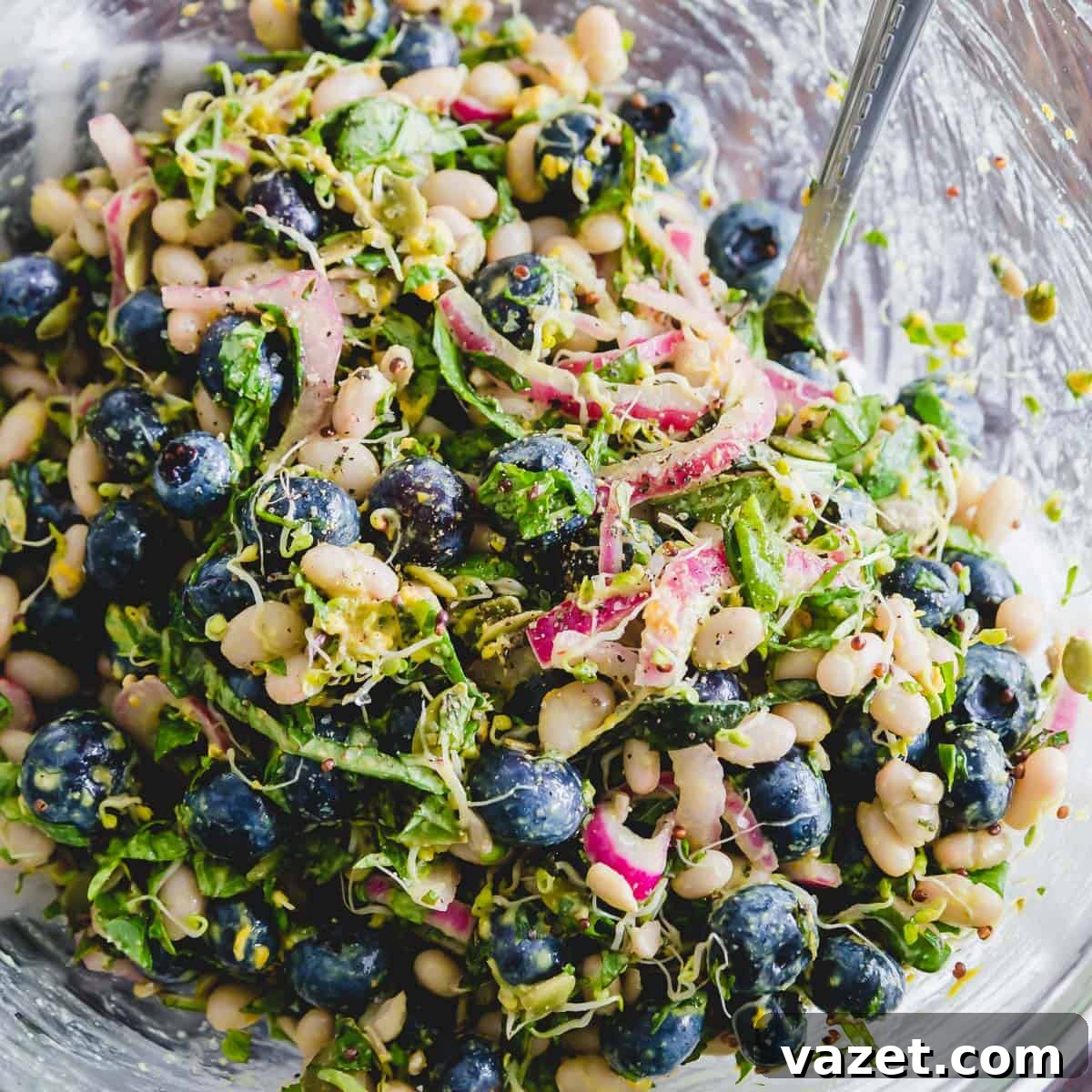
Whether you’re actively managing an inflammatory condition like arthritis or simply seeking a fresh, healthy, and incredibly flavorful meal, this Blueberry White Bean Salad is sure to impress. Its unique combination of a rich, creamy tahini turmeric dressing, the surprising sweetness of fresh blueberries perfectly balancing savory white beans, and the delightful pop of tangy pickled red onions creates a truly unforgettable culinary experience. It’s packed with goodness, both in taste and nutrition, making it an ideal choice for any occasion.
Explore More Delicious Salad Recipes:
- Pickled Blueberry Panzanella Salad
- Turmeric Chicken Salad
- Yogurt Tahini Mediterranean Carrot Salad
- Bay Scallop Baby Kale Corn Salad with Savory Tart Cherry Granola
- Radicchio Endive Fennel Salad with Tangy Dijon Herb Dressing
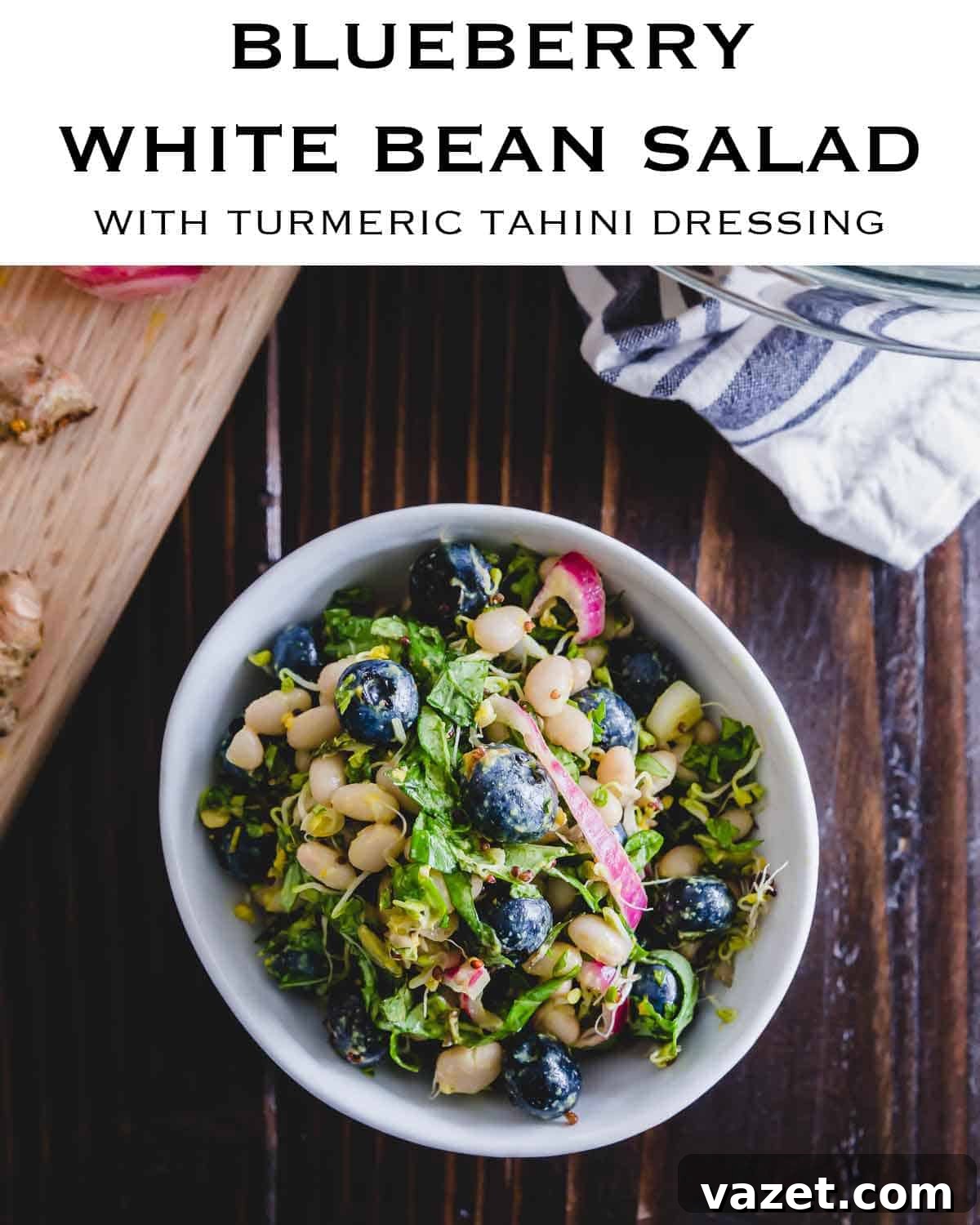
Blueberry White Bean Salad with Tahini Turmeric Dressing
Gina Matsoukas
4 servings
20 mins
20 mins
Print Recipe
A creamy tahini turmeric dressing coats this simple white bean salad with blueberries, basil, mint and pickled red onions.
Ingredients
For the Blueberry White Bean Salad:
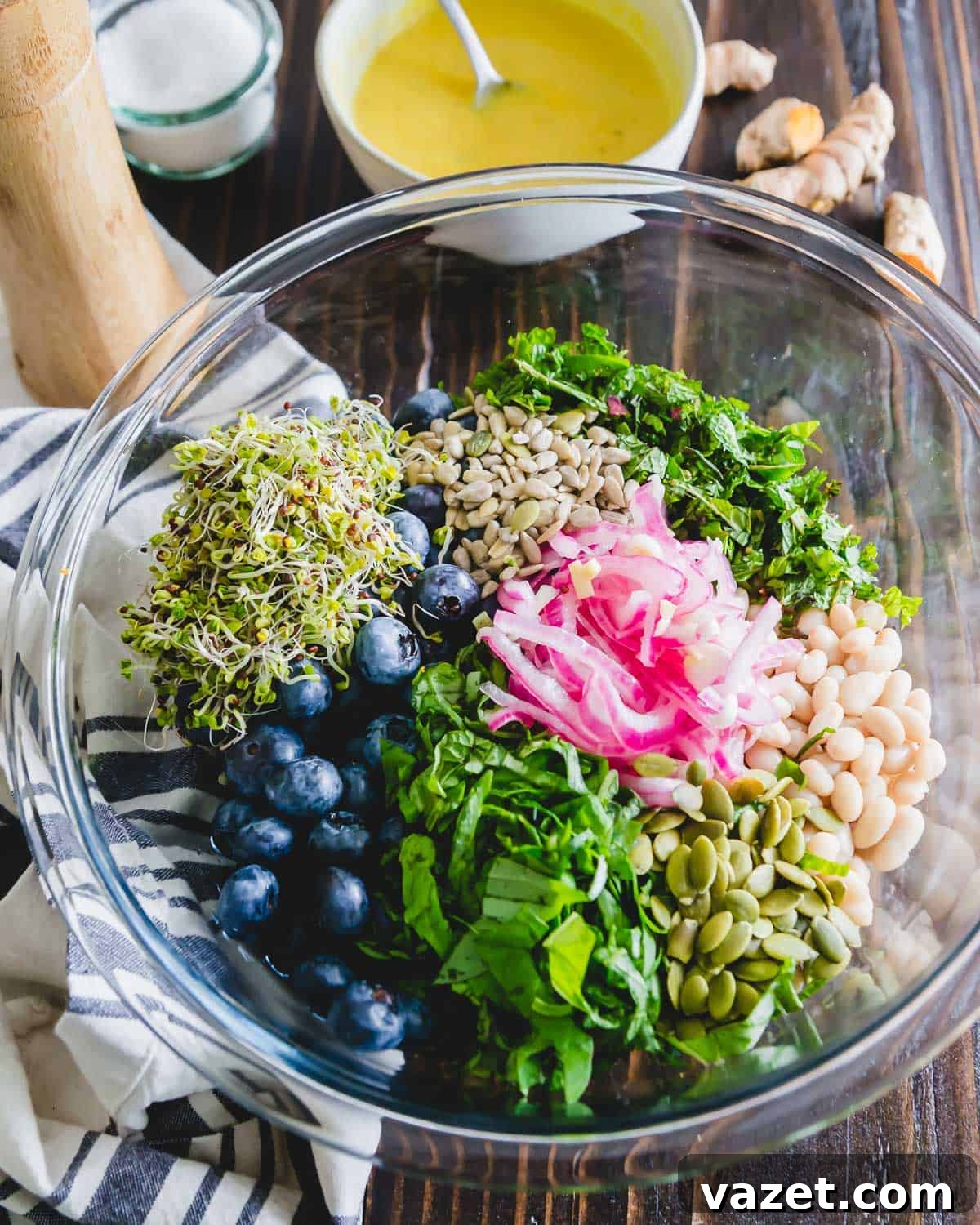
- 15 ounce can navy beans*, drained and rinsed
- 1 pint blueberries
- 1/4 cup pickled red onions**
- 1/2 cup fresh basil leaves, chopped
- 1/4 cup mint leaves, chopped
- 1/4 cup broccoli sprouts***
- 1 tablespoon pepitas, pumpkin seeds
- 1 tablespoon sunflower seeds
- salt and pepper, to taste
For the Tahini Turmeric Dressing:
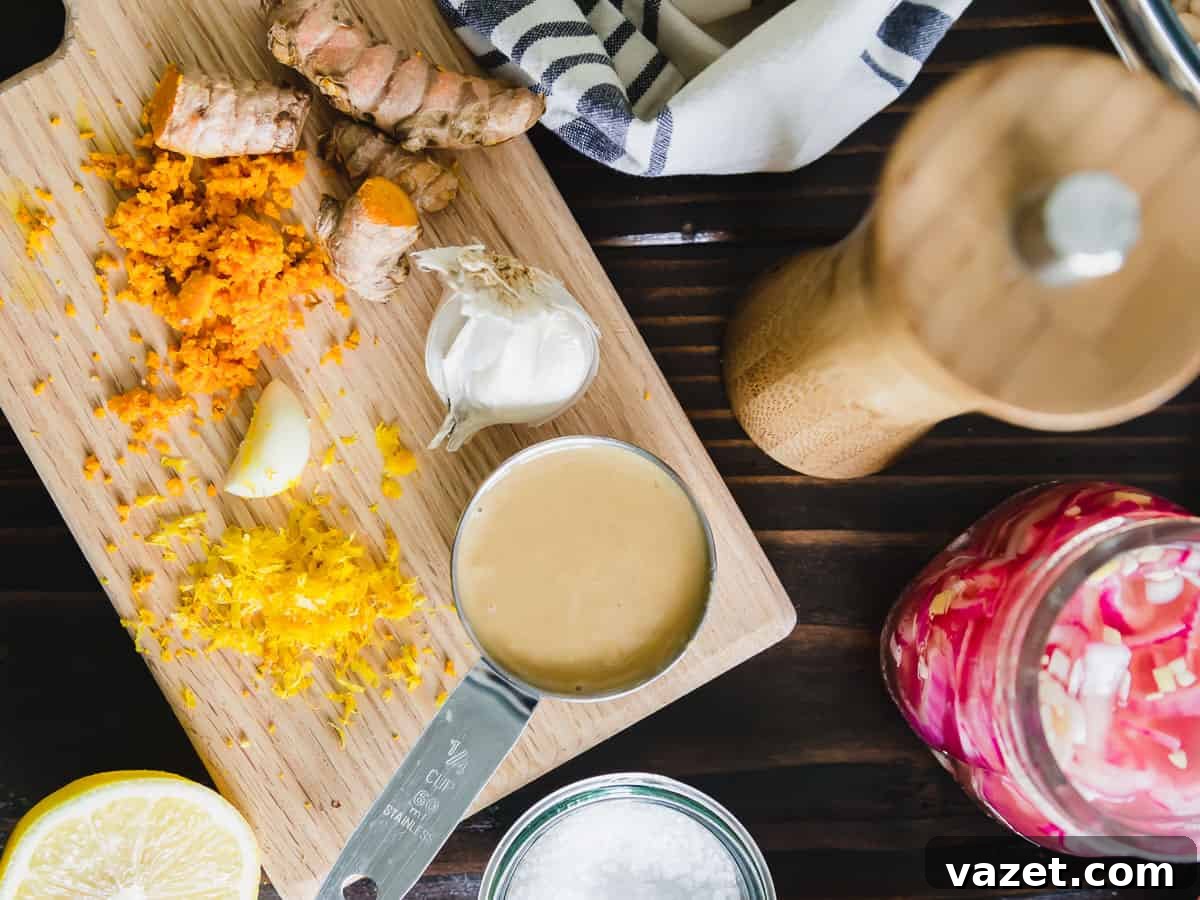
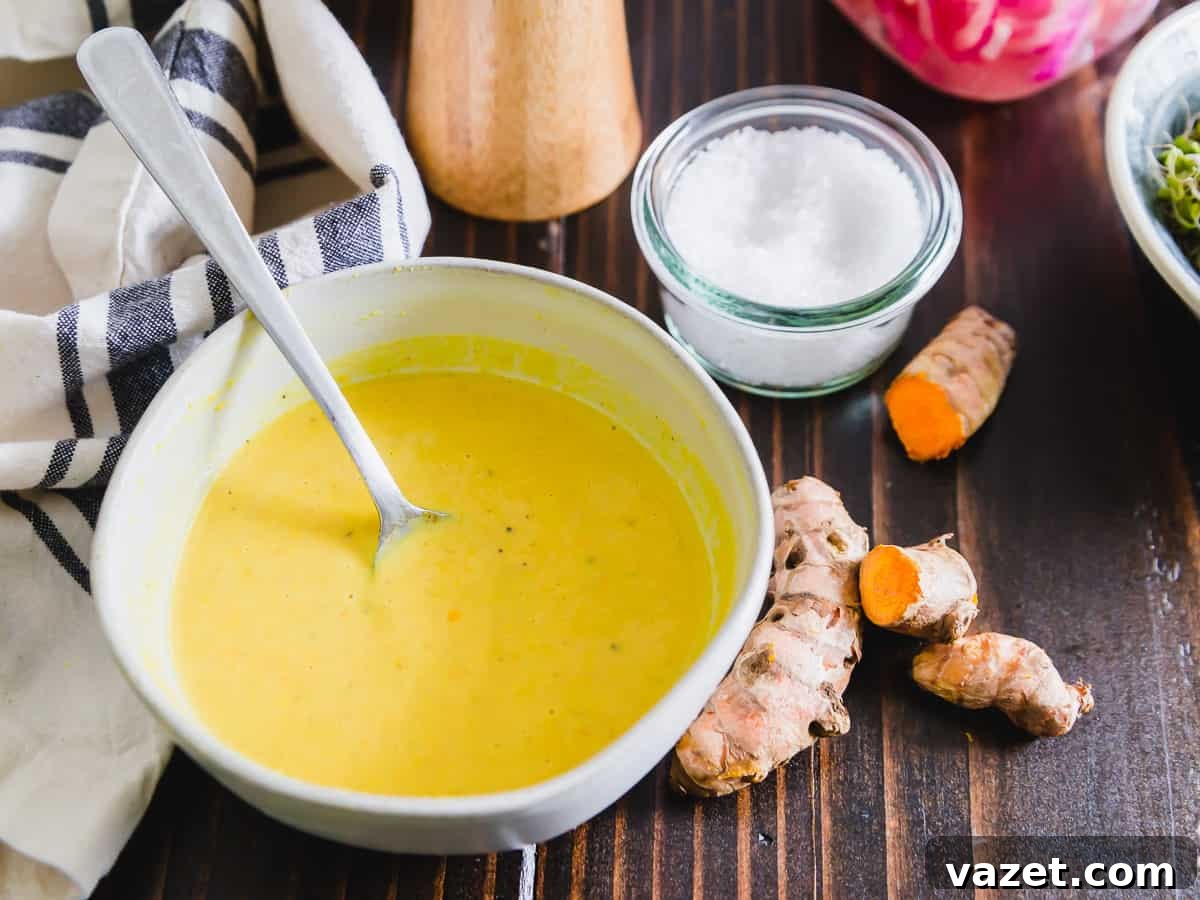
- 1/4 cup tahini
- 1” fresh turmeric root, grated
- 1 clove garlic, grated
- zest from 1/2 a lemon
- juice from 1/2 a lemon
- water to thin, about 2-3 tablespoons
- salt and pepper to taste
Instructions
- Combine all the ingredients for the salad in a large bowl.
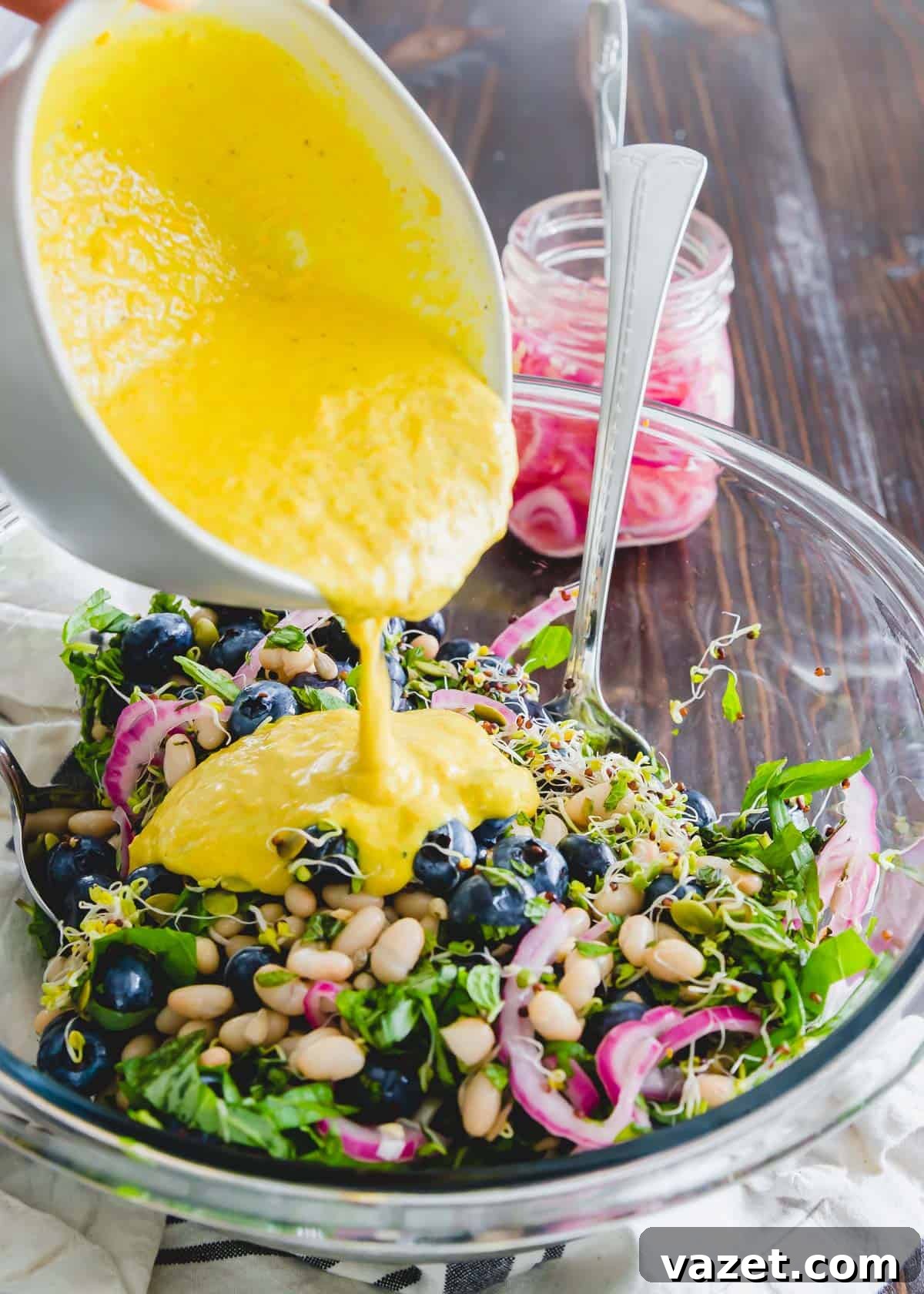
- Whisk together the dressing ingredients in a medium bowl then pour on top of salad.
- Toss gently to combine, season to taste with salt and pepper.
Notes
*Use any white bean you have: cannellini beans, chickpeas, etc.
**How to make quick pickled red onions:
Very thinly slice a small red onion and place in a small bowl or glass jar. Combine 1/2 cup apple cider vinegar, 1 cup hot water, 1 tablespoon sugar and 1 teaspoon kosher salt in another bowl or cup, stir to dissolve. Pour the mixture over the onions and let sit for 30 minutes to 1 hour before using. Store in the refrigerator for up to 1-2 weeks.
***Other sprouts can be used such as: alfafa sprouts, pea shoots, radish sprouts, etc. Or, use some baby greens.
Nutrition
Calories: 354 kcal
Carbohydrates: 55 g
Protein: 14 g
Fat: 11 g
Saturated Fat: 2 g
Polyunsaturated Fat: 9 g
Sodium: 697 mg
Fiber: 15 g
Sugar: 17 g
Nutrition information is automatically calculated, so should only be used as an approximation.
Additional Info
Salads
American
TRIED THIS RECIPE?
WE’D LOVE TO HEAR YOUR THOUGHTS!