
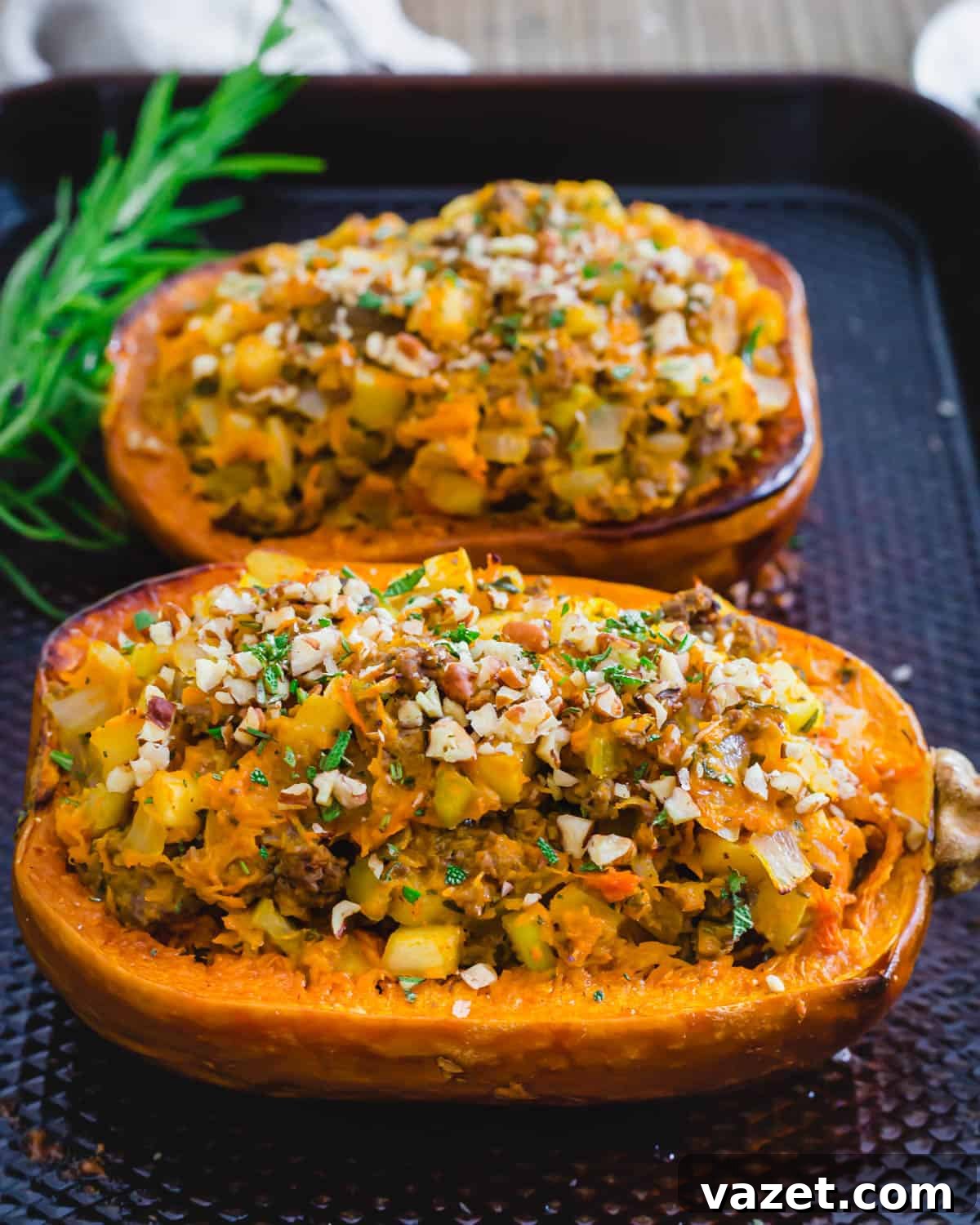
Discover the delightful world of Honeynut squash, a petite and powerfully flavorful winter squash that has quickly become a culinary favorite. Smaller than its butternut cousin but bursting with an intensely sweet and nutty taste, Honeynut squash is ideally suited for roasting and stuffing. This comprehensive guide will walk you through everything you need to know about this remarkable squash, culminating in a quick and easy, fall-inspired recipe that will warm your kitchen and your soul.
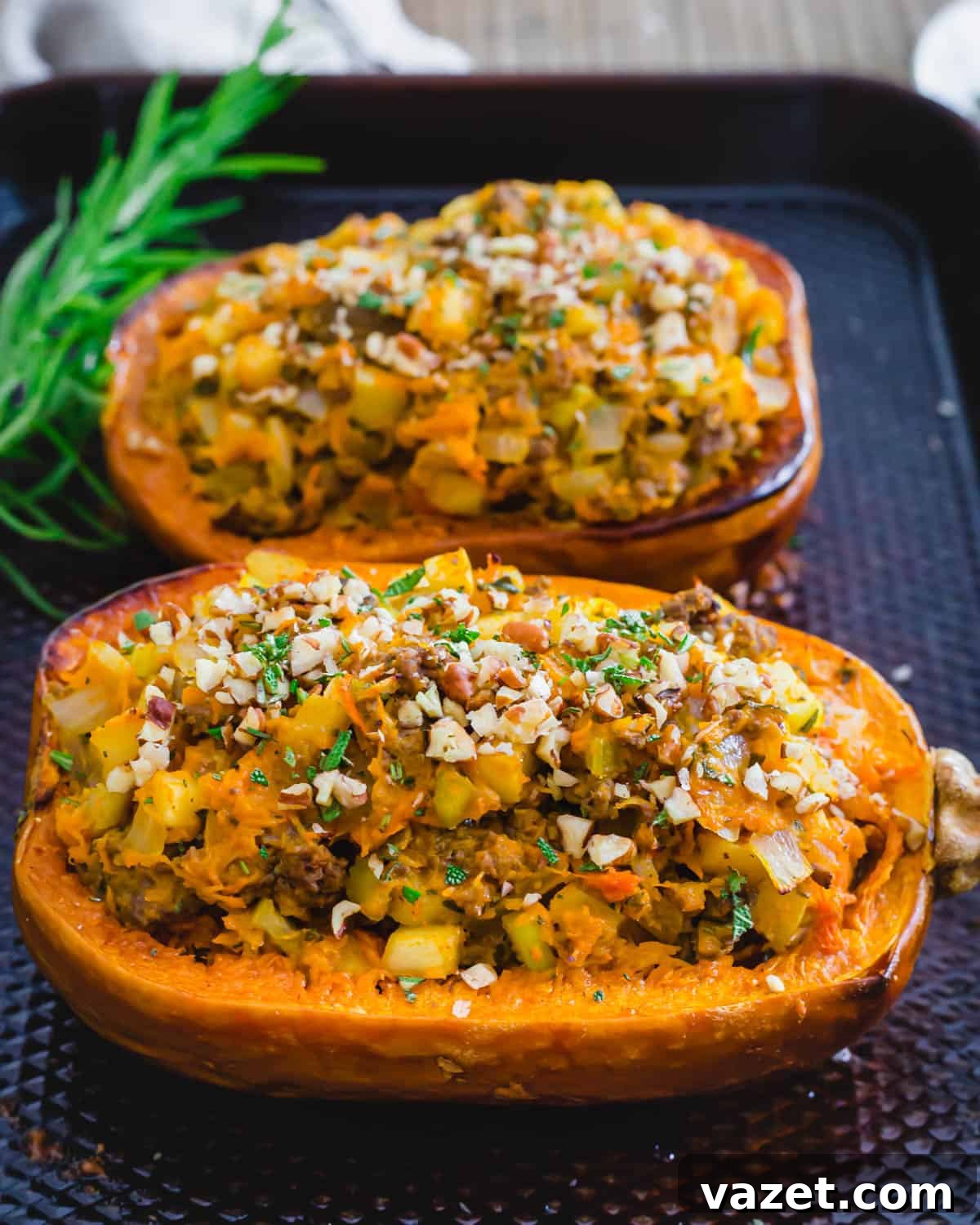
Much like the serendipitous discovery of buttercup squash, many first encounter Honeynut squash in specialty markets or even mainstream grocery stores. Initially, its small stature and familiar shape might lead one to believe it’s simply a miniature butternut. However, Honeynut squash stands proudly as its own distinct variety, boasting a unique flavor profile and an array of culinary advantages that set it apart.
What is Honeynut Squash? The Story Behind This Sweet Delight
Honeynut is a relatively new and exciting hybrid winter squash, a testament to agricultural innovation aimed at enhancing flavor and usability. Its creation is famously attributed to chef Dan Barber, known for his commitment to flavorful, produce-centric dining at Blue Hill at Stone Barns. In a quest to cultivate the most delicious ingredients, Barber collaborated with plant breeders at Cornell University to develop this exceptional variety.
Technically, Honeynut squash is a cross between butternut and buttercup squash. While its exterior appearance, with its smooth, bell-like shape and warm tan skin, clearly echoes its butternut parentage, its internal characteristics and taste lean more towards the richer, sweeter notes of buttercup. This careful breeding process resulted in a squash that not only tastes incredible but also offers practical benefits for home cooks. Its compact size and thin, edible skin make it far less intimidating to prepare than many other winter squash varieties.
The Exquisite Taste and Texture of Honeynut Squash
Prepare to be enchanted by the flavor of Honeynut squash. Unlike some of its milder counterparts, Honeynut was specifically bred for an intense, concentrated sweetness and a pronounced nutty undertone. This makes it an absolute standout in any dish. When roasted, its natural sugars caramelize beautifully, intensifying its inherent sweetness and developing complex, earthy notes that are simply irresistible.
Beyond its remarkable flavor, the texture of Honeynut squash is exceptionally smooth and creamy. This characteristic makes it wonderfully versatile for various culinary applications. While it excels when mashed into a velvety purée, its firm yet tender flesh also holds up beautifully to roasting and stuffing, as demonstrated in our recipe today. The natural creaminess eliminates the need for excessive butter or cream, allowing its pure flavor to shine through.
The squash’s deep orange flesh is not just visually appealing; it’s also a vibrant indicator of its high nutritional content. This rich color signifies an abundance of beta-carotene, a powerful antioxidant and a precursor to Vitamin A. In fact, Honeynut squash is said to contain about twice the beta-carotene of butternut squash, making it a true nutritional powerhouse. Like most winter squash, it’s also a good source of fiber, vitamins, and minerals, making it a healthy and delicious choice for your autumn and winter meals.
Honeynut vs. Butternut: Why Honeynut Might Be Your New Favorite
While often compared to butternut squash due to their similar appearance and lineage, Honeynut squash offers several distinct advantages that make it a compelling choice for discerning cooks. Understanding these differences can significantly enhance your cooking experience and the quality of your meals:
- No Peeling Required: Perhaps the most significant advantage is that Honeynut squash does not need to be peeled! Its skin is thin, tender, and fully edible once cooked, much like delicata squash. This saves considerable time and effort in the kitchen, making meal preparation much more efficient.
- Easier to Handle and Cut: The smaller, more manageable size of Honeynut squash makes it much easier and safer to cut compared to its larger, more cumbersome butternut relatives. This is a huge plus for anyone who struggles with the effort and potential hazard of prepping large winter squash.
- Faster Cooking Time: Due to its smaller size and thinner flesh, Honeynut squash cooks significantly faster than butternut squash. This means less time in the oven and more time enjoying your delicious meal. Its efficiency makes it ideal for weeknight dinners or when you’re looking for a quick yet satisfying dish.
- More Concentrated Flavor: As a squash specifically bred for flavor, Honeynut offers a sweeter, richer, and nuttier taste profile than standard butternut squash. This intense flavor requires less seasoning and truly elevates any dish it’s incorporated into.
Ingredients for Irresistible Roasted Stuffed Honeynut Squash
Creating this flavorful stuffed Honeynut squash involves two main components: perfectly roasted squash and a savory-sweet, autumnal filling. Here’s what you’ll need to gather:
For Roasting the Honeynut Squash:
- Honeynut Squash: Opt for 1 large (approximately 1.5 pounds) or 2 smaller (3/4 pound or less) squash. Their individual size makes them perfect single-serving vessels.
- Heavy Duty Sheet Pan: Essential for even roasting and preventing warping in the oven.
- Cooking Spray: An avocado or extra virgin olive oil spray works best for a light, even coating.
For the Hearty and Flavorful Stuffing:
- Ground Meat: About 1/2 pound of ground meat provides a substantial and protein-rich filling. While elk offers a unique, lean flavor (perfect if you have leftovers from elk burgers!), you can easily substitute with ground beef, bison, turkey, chicken, or venison based on your preference.
- Extra Virgin Olive Oil: A tablespoon to sauté the aromatics and bind the flavors.
- Yellow Onion: Half a large onion, chopped, provides a foundational aromatic sweetness.
- Garlic: Two minced cloves infuse the stuffing with pungent, savory depth.
- Apple: Half a large sweet/tart apple, chopped, adds a delightful burst of sweetness, moisture, and a hint of tartness that complements the savory elements.
- Celery: Two stalks, chopped, for a classic aromatic crunch and earthy flavor.
- Fresh Rosemary: Two tablespoons of minced fresh rosemary lend an incredible fragrant, piney, and earthy aroma, quintessential for fall dishes.
- Salt and Pepper: To season the stuffing perfectly to your taste.
- Chopped Pecans: Two tablespoons of chopped pecans provide a wonderful textural contrast and an additional layer of nutty flavor, a perfect garnish.

The Art of Roasting Honeynut Squash to Perfection
Properly roasting the Honeynut squash is the first crucial step to ensure it’s tender, sweet, and holds its shape beautifully for stuffing. The intense heat of the oven coaxes out the squash’s natural sugars, transforming it into a caramelized canvas for our delicious filling.
- Preparation is Key: Begin by preheating your oven to 400°F (200°C). Lightly spray a sturdy baking sheet with cooking spray. This prevents sticking and promotes even browning.
- Halve and Seed: Carefully cut each Honeynut squash in half lengthwise. Using a spoon, scoop out the seeds and any fibrous strands. Don’t discard these seeds! They can be roasted separately for a crunchy, healthy snack.
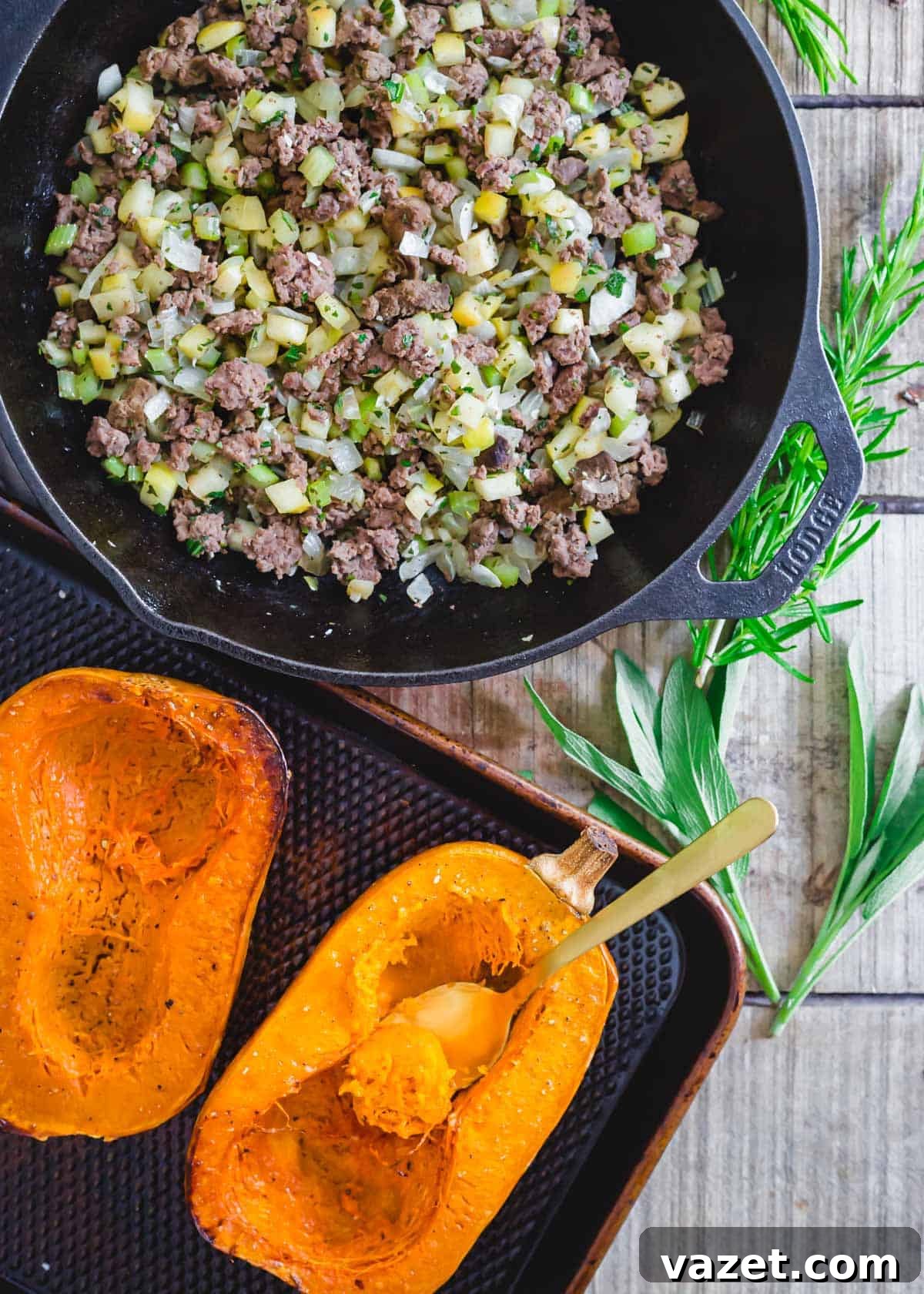
- Position for Roasting: Place the squash halves flesh-side down on the prepared baking sheet. Roasting them this way helps to steam the flesh, ensuring it becomes wonderfully tender, while also allowing the natural sugars to caramelize on the cut surface.
- Roast Until Tender: Roast the squash for approximately 25 minutes. The exact time may vary slightly depending on the size of your squash. Look for the flesh to be fork-tender and the edges of the squash to begin turning a beautiful golden brown and slightly shriveling.
- Avoid Over-Roasting: It’s important not to over-roast the squash to the point of becoming mushy. While tender is good, it needs to retain enough structural integrity to hold its shape as a “bowl” for the stuffing. If it’s too soft, it will collapse when filled.
- Cooling Down: Once roasted, remove the squash from the oven and allow it to cool slightly. It should be cool enough to handle comfortably before you proceed to the next step. This brief cooling period also helps the squash firm up slightly.
Crafting the Flavorful Fall Stuffing for Your Squash
While your Honeynut squash is roasting, you can prepare the savory and aromatic filling. This ground meat-based stuffing, infused with the vibrant flavors of fall, perfectly complements the squash’s inherent sweetness.
- Brown the Meat: Place a large skillet over medium-high heat. Add your chosen ground meat (elk, beef, turkey, etc.) to the hot pan. Break it up with a spatula as it cooks until it’s thoroughly browned and crumbled.
- Drain if Necessary: Depending on the type of meat you use, there might be excess fat or water in the pan. Drain this off for a lighter, less greasy stuffing. Return the skillet with the browned meat to the stove.
- Sauté the Aromatics: Reduce the heat to medium. Add the extra virgin olive oil, chopped yellow onion, chopped celery, and minced garlic to the skillet. Stir everything together and cook for about 5 minutes, or until the onions and celery begin to soften and become translucent. This step builds the foundation of flavor for your stuffing.
- Introduce Apple and Rosemary: Incorporate the chopped apple and fresh rosemary into the skillet. Continue to cook for another 3-4 minutes, allowing the apple to slightly soften and the fragrant rosemary to release its oils and perfume the mixture.
- Season to Taste: Generously season the stuffing mixture with salt and freshly ground black pepper. Taste and adjust as needed, ensuring the flavors are balanced and robust.
If you appreciate the harmonious blend of savory meat, sweet apple, and aromatic rosemary in this stuffing, you’ll likely also enjoy other fall-inspired recipes like a stuffed red kuri squash recipe, which often features similar flavor combinations.
Assembling and Finishing Your Stuffed Honeynut Squash
Now comes the fun part: combining the roasted squash and the savory stuffing to create a truly spectacular meal. This final step brings all the elements together for a dish that’s both beautiful and delicious.
- Scoop the Flesh: Once the roasted squash halves are cool enough to handle, use a spoon to gently scoop out some of the tender flesh from each half. Place the scooped squash flesh into a large mixing bowl. Be careful to leave a sufficient amount of squash intact around the perimeter of the skin. This creates a sturdy “bowl” that will hold your delicious filling upright.
- Combine Filling and Squash: Add the prepared ground meat stuffing from the skillet into the mixing bowl with the scooped Honeynut squash flesh. Mix everything thoroughly until the squash and filling are well combined. This ensures every bite is packed with flavor. Taste the mixture again and adjust the seasoning with salt and pepper as necessary.
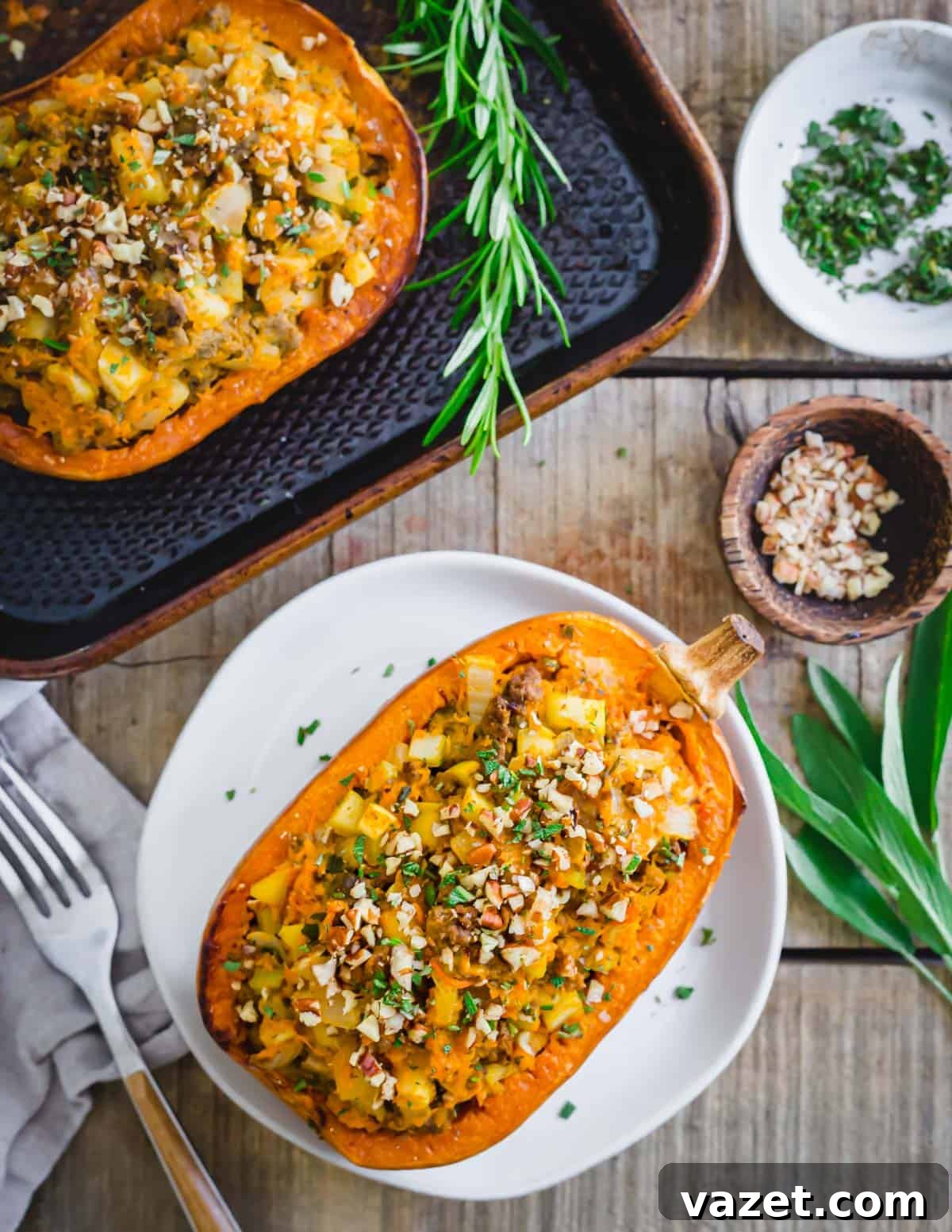
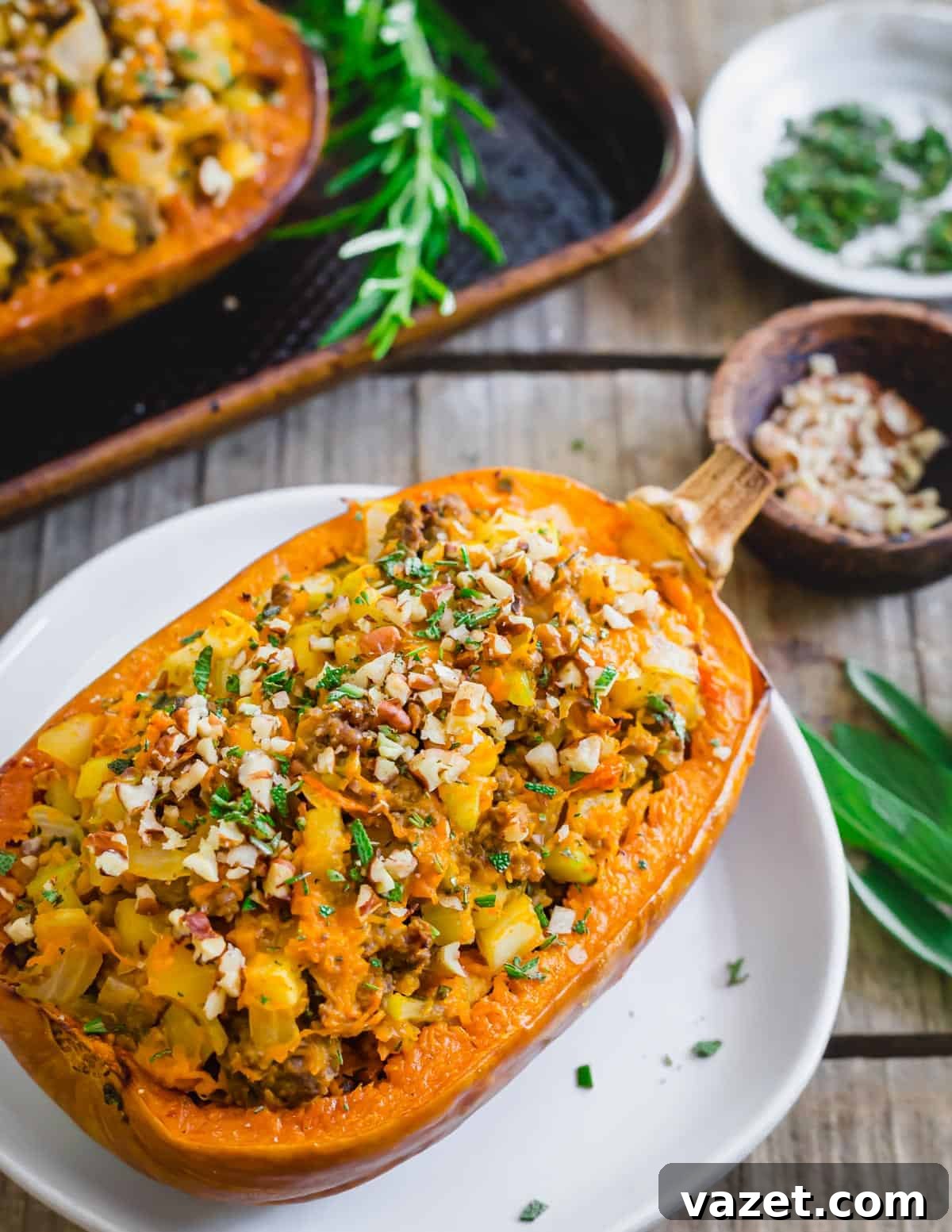
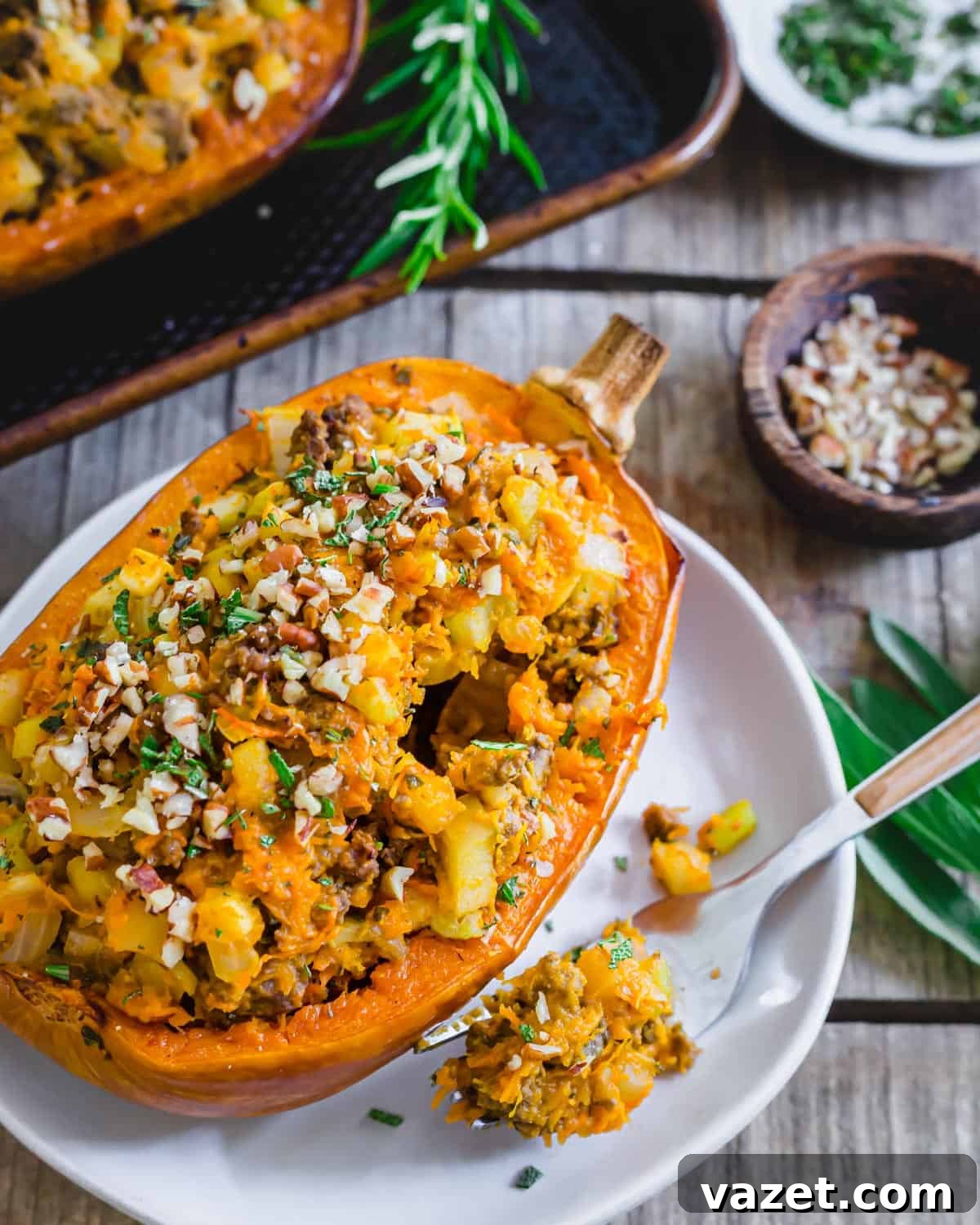
- Stuff the Shells: Spoon the flavorful mixture back into the hollowed-out Honeynut squash shells. Mound the filling generously, creating an appealing presentation.
- Add a Crunchy Topping: Sprinkle the chopped pecans evenly over the top of each stuffed squash half. These pecans add a delightful crunch and a complementary nutty flavor.
- Final Roast: Return the stuffed Honeynut squash on the baking sheet to the preheated oven for another 5 minutes. This brief second roast allows the flavors to meld, ensures the stuffing is heated through, and slightly toasts the pecans.
- Garnish and Serve: Once warmed, remove the stuffed squash from the oven. Garnish with a sprinkle of any additional fresh chopped rosemary for an extra burst of aroma and visual appeal. Serve warm as a complete and satisfying meal.
Where to Find Honeynut Squash and How to Pick the Best Ones
As a relatively recent introduction to the market, having only gained popularity in the last few years, Honeynut squash is surprisingly widely available during its peak season. Its rising fame means you can often find it in various markets, making it accessible for your culinary adventures.
The harvesting season for Honeynut squash typically commences in early September and extends through the fall. However, you might occasionally spot it earlier, in mid to late August, especially if you’re keen to jumpstart your autumn cooking. Look for Honeynut squash at:
- Specialty Grocery Stores: Retailers like Whole Foods Market and Trader Joe’s are often early adopters of new and unique produce varieties.
- Big Box Stores: Even large retailers such as Costco have started stocking Honeynut squash due to its growing popularity.
- Conventional Grocery Stores: You’ll increasingly find it in more mainstream supermarkets like Shoprite or Hannaford, indicating its widespread acceptance.
- Farmers’ Markets: For the freshest local produce, don’t forget to check your local farmers’ markets. Growers are often enthusiastic about offering new and exciting varieties.
Tips for Selecting the Best Honeynut Squash:
One fascinating and unique feature of Honeynut squash is its built-in ripeness indicator. The squash grows as a bright green color and gradually transitions to a rich, deep orange when it is perfectly ripe and ready for harvest. When selecting Honeynut squash at the grocery store or market, choose ones that are predominantly deep orange, with the least amount of green coloration (ideally none at all). The skin should be firm, smooth, and free of any soft spots or blemishes. A dull, matte finish is also a good sign of ripeness.
Exploring Other Delicious Ways to Enjoy Honeynut Squash
While our stuffed Honeynut squash recipe is undoubtedly a showstopper, this versatile winter squash can be enjoyed in a multitude of other delicious ways. Its sweet and creamy profile makes it a fantastic addition to both savory and sweet dishes.
- Simply Roasted: For a minimalist approach that truly lets its flavor shine, simply roast Honeynut squash halves with a drizzle of olive oil, salt, and pepper. It’s perfect as a healthy side dish, much like roasted buttercup squash or roasted sweet dumpling squash. Consider pairing it with a maple dijon tahini sauce for an extra layer of flavor.
- Creamy Soups: Honeynut squash makes an exceptional base for creamy, comforting soups. Substitute it for kabocha in a cinnamon ginger kabocha squash soup or for delicata in a creamy coconut delicata squash soup. Its natural sweetness and smooth texture will create a rich and satisfying bowl. You could also roast some Honeynut squash and add it to a creamy root vegetable soup for added depth of flavor and a beautiful orange hue.
- Salads: Roasted Honeynut squash cubes can be a delightful addition to fall salads, adding sweetness, texture, and vibrant color. Pair it with dark leafy greens, goat cheese, toasted nuts, and a vinaigrette.
- Purees and Sides: Mash roasted Honeynut squash with a touch of butter and herbs for a simple yet elegant side dish. Its creamy texture makes for a perfect purée, which can also be incorporated into risottos or pasta sauces.
- Baked Goods: Don’t limit Honeynut squash to savory dishes! Its inherent sweetness makes it a fantastic ingredient for baked goods like muffins, breads, or even pies, similar to pumpkin or butternut squash.
Is Honeynut Squash a GMO? Clarifying Common Misconceptions
When new or hybrid varieties of produce emerge, it’s common for questions to arise regarding their genetic modification. A prevalent misconception is that any cross-bred or “new” plant automatically falls into the category of genetically modified organisms (GMOs).
It’s important to clarify that Honeynut squash is **not** a GMO crop. The development of Honeynut squash involved traditional plant breeding techniques, which have been used for centuries to improve crops. This process, often referred to as cross-breeding or hybridization, involves carefully selecting two parent plants with desirable traits (in this case, butternut and buttercup squash) and cross-pollinating them. The resulting offspring inherits characteristics from both parents, leading to a new variety with enhanced qualities, such as superior flavor, smaller size, and thinner skin.
This is fundamentally different from genetic engineering (GMOs), which involves directly altering an organism’s DNA using biotechnology to introduce specific genes from other species. High Mowing Organic Seeds provides a detailed explanation of traditional plant breeding, which includes the methods used to create Honeynut squash, offering further insight into this natural and time-honored process.
Maximizing Flavor: Storage, Selection, and General Winter Squash Wisdom
For a broader understanding of winter squash varieties, including essential tips on how to store them, select the best ones at the market, and explore a plethora of recipes, refer to comprehensive guides on winter squash. Although such guides might have predated the official introduction of Honeynut squash, the general principles of selecting, storing, and preparing winter squash are fully applicable to this delightful variety.
As previously mentioned, Honeynut squash offers a convenient visual cue for ripeness: it transforms from a bright green to a deep, appealing orange when ready for harvest. When you’re selecting Honeynut at the store, prioritize squash with the least amount of green, or ideally, none at all, ensuring you’re taking home a perfectly ripe and sweet specimen.
While winter squash generally boasts an impressive shelf life, Honeynut squash is best enjoyed as soon as possible after purchase to savor its peak flavor and sweetness. It can be stored for several months in a cool, dry place away from direct sunlight, such as a pantry or basement. However, for the most vibrant taste and tender texture, plan to cook and enjoy your Honeynut squash within a few weeks of bringing it home.
More Winter Squash Recipes to Inspire Your Cooking:
If you’ve enjoyed venturing into the world of Honeynut squash, expand your culinary horizons with these other fantastic winter squash recipes:
- Maple Baked White Acorn Squash
- Twice Baked Spaghetti Squash
- Kabocha Squash Chili
- Holiday Butternut Squash Hummus
Rating: 4.87 from 160 votes
Stuffed Honeynut Squash
Gina Matsoukas
4 servings
15 mins
30 mins
45 mins
Print Recipe

Ingredients
- 1 large, or 2 smaller honeynut squash, halved and seeded
- 1/2 pound ground elk, or meat of choice such as beef, bison, venison, turkey, chicken, etc.
- 1 tablespoon extra virgin olive oil
- 1/2 large yellow onion, chopped
- 2 stalks celery, chopped
- 2 cloves garlic, minced
- 1/2 large sweet/tart apple, chopped
- 2 tablespoons minced fresh rosemary
- salt and pepper to taste
- 2 tablespoons chopped pecans
Instructions
- Preheat oven to 400°F (200°C) and spray a heavy duty baking sheet with cooking spray.
- Place the halved and seeded honeynut squash flesh side down on the baking sheet. Roast for about 25 minutes until flesh is fork tender and skin has started to turn golden brown around the edges.
- While honeynut squash roasts, prepare the filling by placing a large skillet over medium-high heat.
- Add the ground meat and cook until browned, breaking into small pieces with a spatula as it cooks.
- Drain any excess water from the meat (this will depend on the kind of meat used) if necessary and return the skillet with the meat to the stove. Reduce heat to medium.
- Add the olive oil, onion, celery and garlic to the skillet. Stir to combine and cook for about 5 minutes until onions and celery start to soften.
- Add the chopped apples and rosemary and cook an additional 3-4 minutes. Season to taste with salt and pepper.
- When squash is roasted, remove from the oven and let sit until cool enough to handle.
- Scoop some of the flesh out of the squash and place in a large bowl, leaving enough squash intact around the perimeter to maintain the shape.
- Add the ground meat mixture to the bowl with the scooped honeynut squash and mix until well combined. Season to taste with salt and pepper.
- Spoon the filling back into the squash halves. Top with the chopped pecans and place back into the oven for another 5 minutes until warmed through.
- Garnish with any leftover chopped rosemary and serve warm.
Nutrition
Calories: 212kcal
Carbohydrates: 12g
Protein: 17g
Fat: 11g
Saturated Fat: 3g
Polyunsaturated Fat: 7g
Cholesterol: 44mg
Sodium: 141mg
Fiber: 3g
Sugar: 7g
Nutrition information is automatically calculated, so should only be used as an approximation.
Additional Info
Main Dishes
American
TRIED THIS RECIPE?
COMMENT + RATE BELOW!