
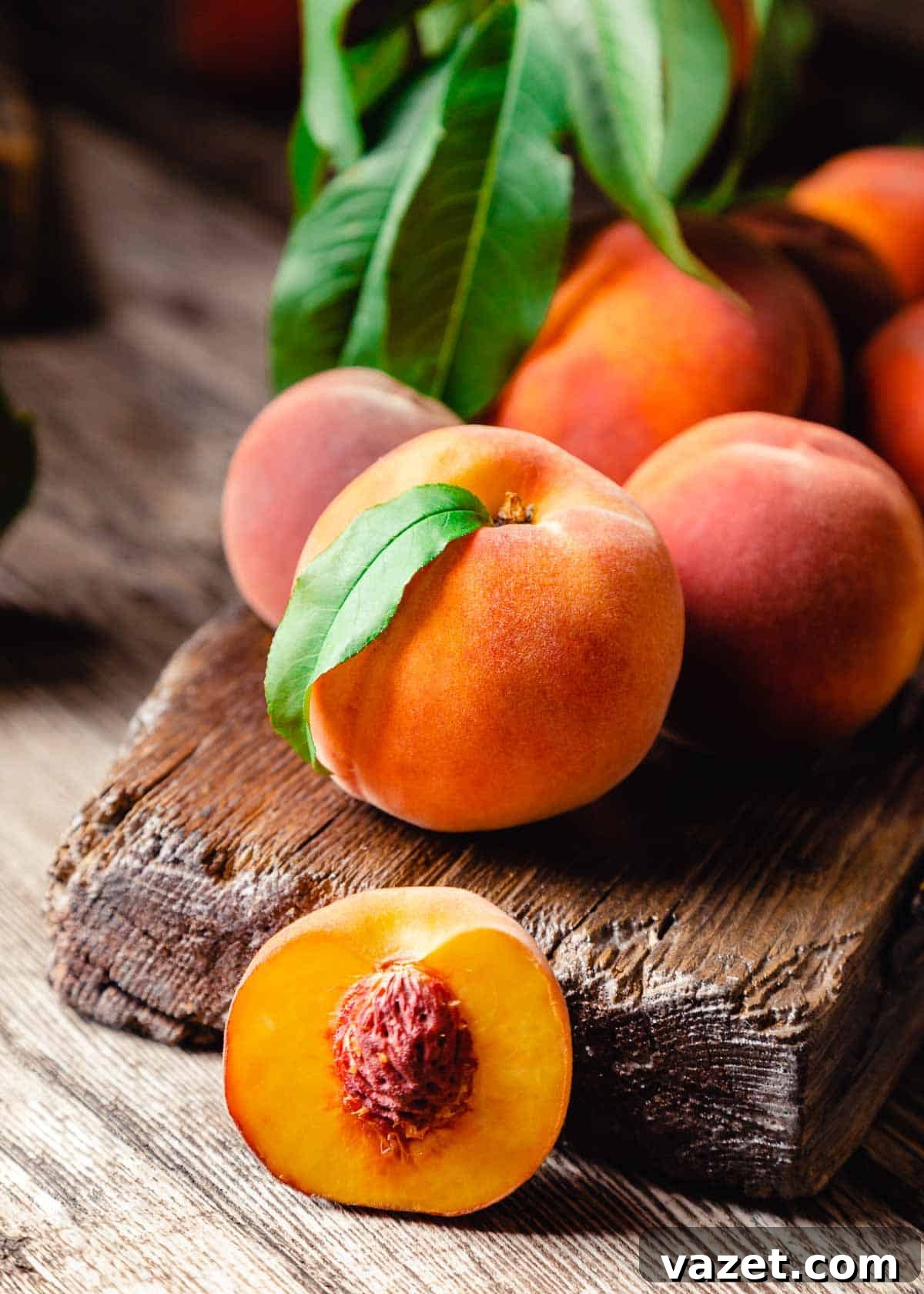
Savoring the myriad flavors of peaches is a true summer delight, a culinary journey that begins long before the first sweet bite. From their vibrant colors and distinct shapes to their varied sizes and unique tastes, there’s a perfect peach waiting to be discovered for every palate and purpose. This comprehensive guide will take you through the fascinating world of peaches, helping you understand their different types, how to select the absolute best ones for a juicy summer treat, and countless ways to enjoy them.
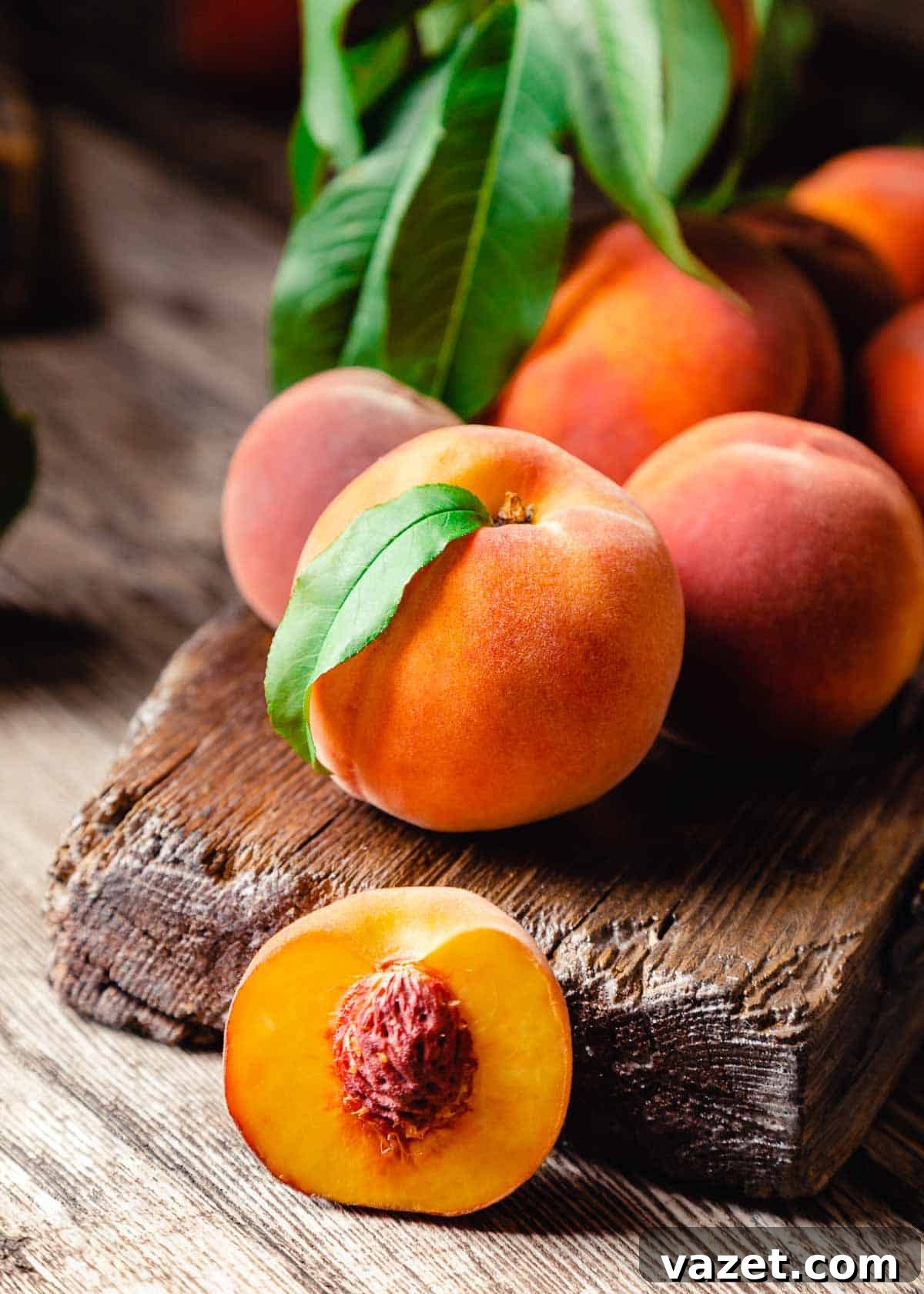
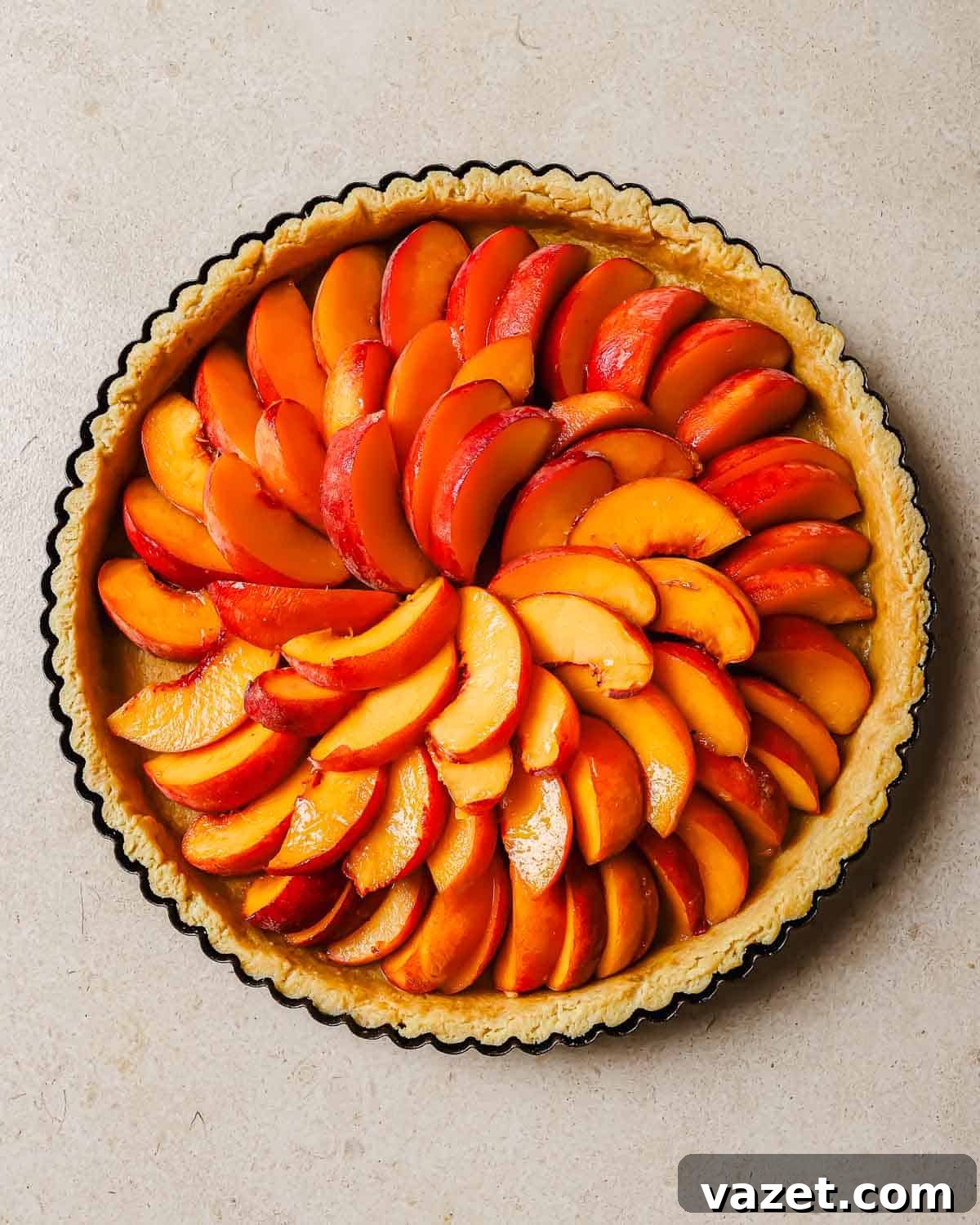
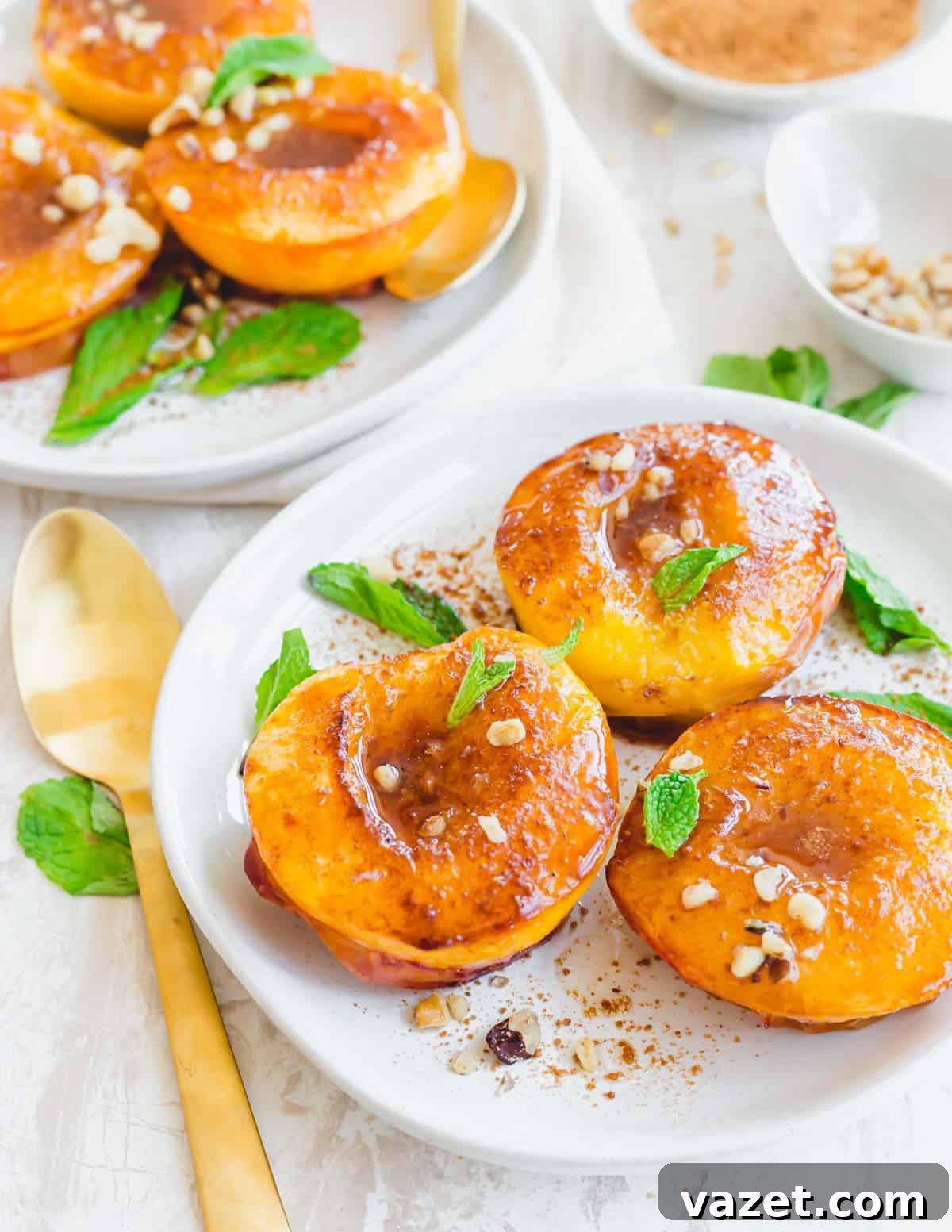
Summer simply isn’t complete without the quintessential experience of sinking your teeth into a perfectly ripe peach. This beloved stone fruit offers unparalleled versatility in the kitchen. Some peach varieties truly shine when baked into comforting pies, crumbles, and tarts, their natural sweetness intensifying with heat. Others hold their own beautifully on the grill, developing a smoky sweetness, or add a refreshing touch of sweetness to salads, balancing savory notes with their juicy texture.
With over 2,000 peach varieties cultivated worldwide, each boasts distinct features such as unique color variations, varying sizes, nuanced flavors, and differing flesh firmness. Originally native to the majestic landscapes of Asia, these incredibly juicy fruits thrive on deciduous trees, gracing us with their bounty typically from mid-June through August. Like other members of the stone fruit family, peaches encase a hard pit, or stone, within their tender flesh. Their skin can range from vibrant red, warm orange, to soft pink, often with a characteristic fuzzy exterior, while the flesh inside can be either white or yellow. While peaches continue to ripen after being picked, ensuring they reach their peak sweetness, their limited fresh season makes them a treasured summertime indulgence. The good news is, you can freeze peaches to preserve their delicious sweetness, allowing you to enjoy this delightful fruit all year long.
Understanding Peach Varieties: The Three Core Categories
Peaches are broadly classified into three primary categories, distinguished by how readily their flesh separates from the central pit. This classification is crucial as it often dictates their ideal culinary applications and ease of preparation.
- Clingstone Peaches: As their name vividly suggests, clingstone peaches are characterized by flesh that firmly adheres to the fruit’s pit, making them a bit more challenging to slice and pit. However, this slight inconvenience is often overlooked due to their exceptionally sweet and incredibly juicy nature. Their tender texture and intense flavor make them perfect candidates for desserts, homemade jams, jellies, and smooth purees. Clingstone varieties typically feature bright yellow flesh, often adorned with beautiful red flecks closer to the stone. They are predominantly available mid-season and are a common sight at local farmers’ markets, where these trees are frequently cultivated for their robust flavor.
- Freestone Peaches: These are arguably the most popular and widely available peach varieties found in grocery stores. The defining characteristic of freestone peaches is that their flesh easily separates from the pit, making them incredibly convenient for fresh eating and effortless slicing into desserts and vibrant salads. Their generally firmer texture also makes them exceptionally well-suited for baking into seasonal treats like a buckle dessert, grilling to perfection, or incorporating into flavorful salsas. Freestone peaches tend to be larger in size and boast a more extended harvest season, typically from late May to October, ensuring a longer period of enjoyment.
- Semi-Freestone Peaches: Living up to their name, semi-freestone peaches represent a harmonious hybrid of both clingstone and freestone varieties. Their flesh partially separates from the pit, offering a convenient middle ground. This characteristic makes them wonderfully versatile, suitable for both delightful fresh eating and a wide range of cooking applications. They provide a balance of the juiciness found in clingstones with some of the ease of preparation of freestones.
“I love freestone peaches because I just cut them in half, easily remove the pit and eat! They’re great just like that, or sometimes I put them in the air fryer and top it with whipped cream. The flavor is so sweet and delicious.”
— Gena, Gingercasa.com
The Nutritional Bounty of Peaches
Beyond their delightful taste, peaches are also a powerhouse of nutrition, contributing significantly to a healthy diet. They are a good source of Vitamin C, a vital antioxidant that supports the immune system and skin health, and Vitamin A, essential for vision and cell growth. Peaches are also rich in dietary fiber, which aids digestion and promotes a feeling of fullness. With their high water content, they contribute to hydration, making them a perfect refreshing snack during warm summer months. Enjoying peaches means not only indulging your taste buds but also nourishing your body with essential vitamins and minerals.
Yellow Peaches vs. White Peaches: A Study in Sweetness
Despite the sheer abundance of peach varieties, the most common distinction consumers encounter is between yellow and white-fleshed peaches. These two categories offer uniquely different flavor profiles and textures, catering to diverse preferences.
Yellow Peaches
Yellow peaches are the quintessential image many people conjure when thinking of this summer fruit. Main varieties include popular names like Redhaven, Elberta, Georgia Belle, Red Globe, and O’Henry. Most of these widely recognized varieties are freestone peaches, adding to their consumer appeal.
- Flesh Color: Characterized by a rich yellow to vibrant golden-yellow hue, often with streaks of red closer to the pit.
- Flavor Profile: Typically boast a classic, robust peach flavor that is wonderfully sweet, yet beautifully balanced by a delightful slightly acidic tang. This sweet-tart complexity is what many adore.
- Texture: Generally firm and exceptionally juicy, maintaining its structure well even when cooked.
- Common Uses: Their balanced flavor and firm texture make them incredibly versatile. They are ideal for fresh eating, baking into pies and cobblers, grilling, canning, and crafting exquisite preserves and jams.
- Availability: Widely available and easily found in most grocery stores and farmers’ markets throughout the summer and into early fall, making them a staple.
- Appearance: Typically feature a prominent red blush that spreads over a warm yellow background, often with a fuzzy skin.
- Harvest Season: Harvested across an extended period, generally from late spring through to early fall, ensuring a long season of enjoyment.
White Peaches
White peaches offer a distinctly different, often more delicate, peach experience. Notable varieties include Arctic Supreme, Snow Giant, and Arctic Star. Many of these prized varieties are semi-freestone, balancing convenience with their unique characteristics.
- Flesh Color: Their flesh is strikingly pale, ranging from a light cream to a soft yellow, sometimes even exhibiting a beautiful pink blush, making them visually distinct.
- Flavor Profile: Known for being notably sweeter and significantly less acidic than their yellow counterparts. They often possess subtle, elegant floral undertones that add to their allure.
- Texture: Exceptionally soft and juicy, with a delicate, melting texture that makes them incredibly luxurious to eat fresh.
- Common Uses: Best savored fresh to fully appreciate their delicate sweetness and texture. However, they are also suitable for light baking, gentle desserts, and creating exquisite, subtly flavored jams.
- Availability: While available in grocery stores and farmers’ markets during the summer, white peaches are generally less common and can be a bit more elusive than yellow peaches, often considered a gourmet choice.
- Appearance: They typically have smoother skin compared to yellow peaches, often with a very light blush or no blush at all, contributing to their refined look.
- Harvest Season: Their harvest season typically overlaps with that of yellow peaches, spanning from late spring to early fall.
Donut Peaches (Saturn Peaches)
The donut peach, also affectionately known as a flat peach or Saturn peach, stands out with its truly unique appearance and exquisite taste. This delightful type of peach can be either clingstone or freestone, offering versatility despite its distinct shape.
- Flesh Color: Donut peaches can feature either yellow or white flesh, each offering its own nuanced sweetness.
- Flavor Profile: They are renowned for being exceptionally sweet, largely due to their naturally low acid-to-sugar ratio, which results in a pure, unadulterated sweetness.
- Harvest Season: Typically considered one of the sweetest peach varieties available, they are generally in season between July and August, marking a peak time for their enjoyment.
- Appearance: Their most distinctive feature is their unique flat, saucer-shaped appearance, complete with a small pit nestled in the center and subtly dimpled ends, resembling a donut.
- Texture: Their texture is often described as wonderfully tender and incredibly juicy, frequently accompanied by a subtle almond-like flavor. This combination makes them a highly favored snack, perfect for eating out of hand.
“My favorite thing to bake with peaches is peach blueberry crisp. Fresh summer peaches add sweetness and pair perfectly with blueberries topped with a butter crumble. I prefer freestone peaches since they’re easier to work with, but I will happily use whatever is fresh in season.”
— Lisa Wells, Cook Eat Well
Using Peaches in Savory Recipes: A Culinary Revelation
While peaches and other stone fruits often capture the spotlight in baked goods and sweet desserts during their peak season, an exciting and often overlooked way to enjoy their exquisite flavor is in savory recipes. The natural sweetness and subtle acidity of peaches create a remarkable balance when paired with a variety of meats, offering a sophisticated contrast to rich and savory flavors. They also wonderfully complement the charred taste of almost anything fresh off the grill, adding a bright and juicy dimension.
If you’re looking to broaden your culinary horizons this peach season, consider exploring these delicious combinations. Try incorporating them into peach honey grilled lamb chops, where their sweetness can cut through the richness of the lamb. Pair peaches and chicken in the slow cooker for a tender, flavorful meal, or add them to a vibrant sweet corn honey mustard chicken salad for an unexpected burst of freshness and sweetness. Peaches also work beautifully in savory applications like grilled peach and mozzarella salads with balsamic glaze, peach salsa served with grilled fish or pork, or even in a spicy peach chutney alongside curries.
Choosing the Perfect Peach: A Sensory Guide
Selecting the ideal peach, one that promises peak flavor and juicy freshness, requires engaging all your senses. Here’s a detailed guide to help you identify a peach at its prime:
- Gentle Pressure Test: Choose peaches that feel firm but yield slightly to gentle pressure when delicately squeezed. This indicates ripeness. Avoid peaches that are rock hard (underripe) or excessively soft and mushy (overripe or bruised).
- Fragrant Aroma: Bring the peach close to your nose, especially near the stem end. A truly ripe peach will emit a strong, sweet, and unmistakable fruity aroma. If there’s no scent, it’s likely not fully ripe.
- Visual Inspection: Look for peaches with vibrant, consistent colors. The background color should be a creamy yellow or golden hue, indicating ripeness. A prominent red blush is often characteristic of certain varieties but doesn’t necessarily indicate ripeness or sweetness; it’s a genetic trait. Avoid peaches with large green patches, which signify immaturity, or those with significant bruises, soft spots, or wrinkles, as these are signs of damage or overripeness.
- Weight in Hand: A ripe peach will often feel heavier than it looks. This weight is a good indicator of its juiciness and water content, promising a more satisfying bite.
- For Immediate Enjoyment: If you plan to eat your peaches right away, select those that give a little under gentle pressure near the stem and possess that sweet, inviting aroma. These are ready to be savored.
- For Later Consumption: If you intend to enjoy peaches over the next few days, opt for slightly firmer ones. These can ripen beautifully on your countertop at home, reaching perfection when you’re ready.
- Source Locally: Wherever possible, choose local peaches. This delicate fruit bruises easily during long transport journeys. Local peaches, often picked closer to ripeness, tend to offer superior flavor and freshness.
How to Store Peaches for Optimal Freshness and Longevity
Proper storage is key to enjoying peaches at their best, whether you plan to eat them fresh or preserve them for later. Understanding the different stages of ripeness will guide your storage choices.
- Ripening Unripe Peaches: If your peaches are still firm and lack a fragrant aroma, they are unripe. Store them on the counter at room temperature in a single layer to allow for even airflow and prevent mold growth. Placing them in a paper bag can accelerate the ripening process by trapping ethylene gas. Check them daily.
- Storing Ripe Peaches: Once peaches have softened slightly, developed a sweet aroma, and reached your desired level of ripeness, they can be transferred to the refrigerator. Chilling ripe peaches helps to halt the ripening process and extends their freshness. They are best eaten within three to five days of being refrigerated. Before refrigerating, avoid washing them as moisture can encourage mold.
- Freezing Peaches for Year-Round Enjoyment: To enjoy the sweetness of peaches beyond their season, freezing is an excellent option.
- Preparation: Wash the peaches thoroughly. For easier peeling, you can blanch them in boiling water for 30-60 seconds, then immediately plunge them into an ice bath. The skin should then slip off easily.
- Pitting and Slicing: Remove the pits and slice the peaches into desired wedges or chunks.
- Preventing Discoloration: To prevent browning, you can toss the sliced peaches with a small amount of lemon juice or an ascorbic acid solution.
- Freezing Method: Arrange the peach slices in a single layer on a baking sheet lined with parchment paper and freeze until solid. Once frozen, transfer them to airtight freezer bags or containers. This prevents them from clumping together, allowing you to take out only what you need.
- Uses for Frozen Peaches: Frozen peaches are perfect for smoothies, baking into crisps and pies, making sauces, or adding to oatmeal. They can be stored in the freezer for up to 6-12 months.
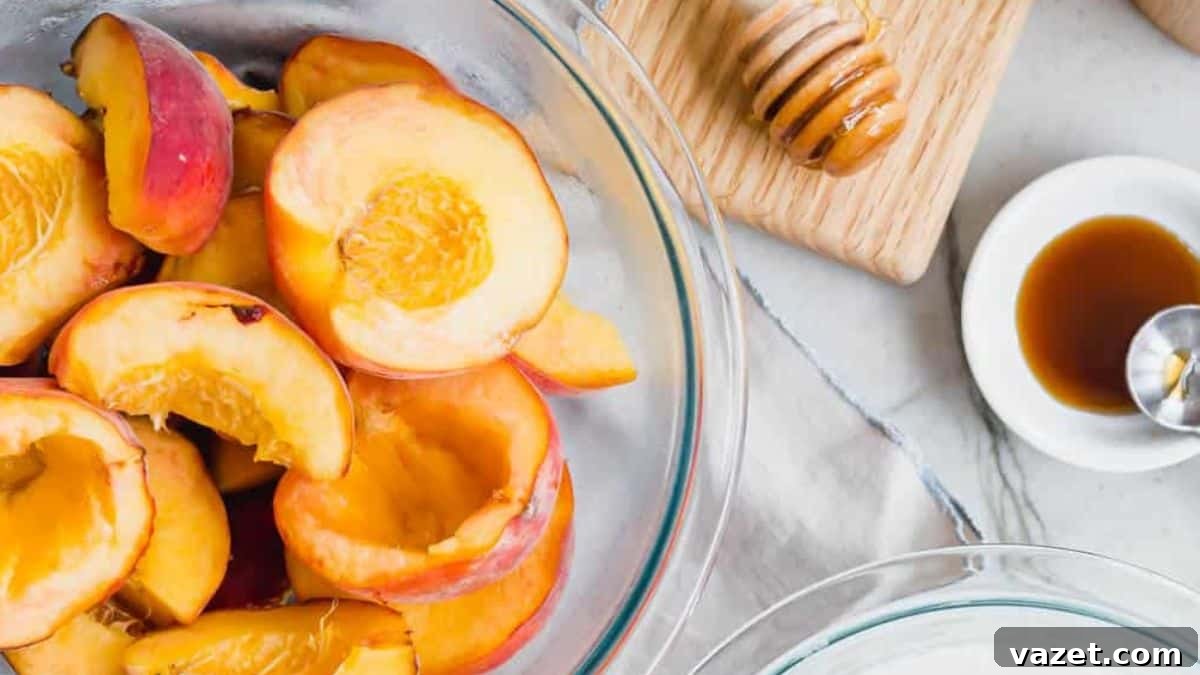
Preparing Peaches: Tips and Tricks
Getting your peaches ready for cooking or eating fresh can be a breeze with a few simple techniques:
- Washing: Always rinse peaches thoroughly under cool running water before use to remove any dirt or residue, even if you plan to peel them.
- Peeling: While peach skin is edible, some recipes call for peeled peaches. The easiest method for large quantities is blanching:
- Bring a pot of water to a rolling boil.
- Carefully drop peaches into the boiling water for 30-60 seconds.
- Immediately transfer them to an ice bath to stop the cooking process.
- The skin should then easily peel away from the flesh, starting from the stem end.
For one or two peaches, a sharp paring knife can be used to carefully peel the skin, though it might be trickier.
- Pitting:
- Freestone Peaches: Simply slice the peach in half along the seam, twist the halves apart, and the pit should come out easily.
- Clingstone Peaches: These are trickier. You can still slice along the seam and twist, but the pit will likely remain attached to one half. Use a paring knife to carefully cut the flesh away from the pit, or simply chop around the pit for diced peaches.
- Slicing and Dicing: Once peeled and pitted, peaches can be sliced into wedges for tarts, diced for salsas, or chopped for crumbles, depending on your recipe. Their tender flesh makes them easy to work with.
Peaches are undeniably a summertime favorite, perfectly suited for enjoying fresh out of hand or transforming into a multitude of delicious desserts. Imagine the creamy delight of fresh peach ice cream or the refreshing coolness of creamy peach pops for a handheld treat. You can also elevate your baking by adding both white and yellow peaches to delightful peach bars, combining their unique flavors and textures.
With so many different types of peaches available, coming in all shapes, sizes, and flavors, they are truly a crowd-pleaser that caters to diverse tastes and culinary explorations. Whether you’re planning to bake a comforting pie, toss them into a vibrant salad, or simply grab a juicy one for a quick and satisfying snack, there is undeniably a perfect peach for every taste bud and every occasion. Embrace the season and savor the sweet, versatile magic of peaches!