
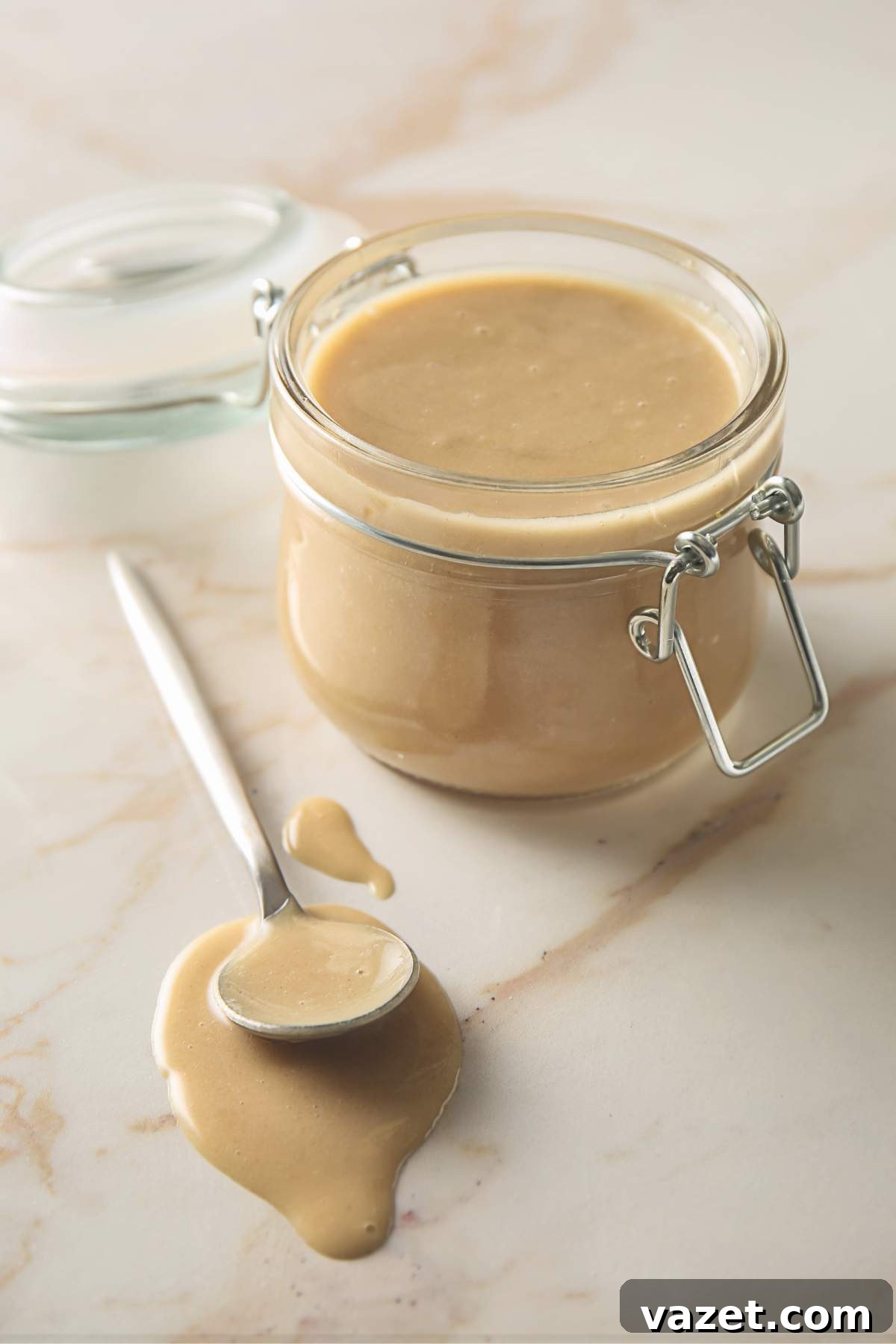
Tahini, a rich and versatile paste made from ground sesame seeds, holds a revered place in cuisines worldwide, from the savory depths of hummus to the delicate sweetness of certain desserts. Its distinctive nutty flavor, creamy texture, and subtle bitterness are often indispensable. However, keeping tahini on hand isn’t always feasible, whether due to a sudden shortage, an allergy, or a simple desire to experiment. Mastering the art of tahini substitution is a valuable skill for any home cook, ensuring that your culinary creations never fall flat. This comprehensive guide explores the best tahini substitutes, allowing you to maintain the unique character and delightful mouthfeel of your favorite dishes, even when the original ingredient is unavailable.
Understanding Tahini: A Culinary Essential
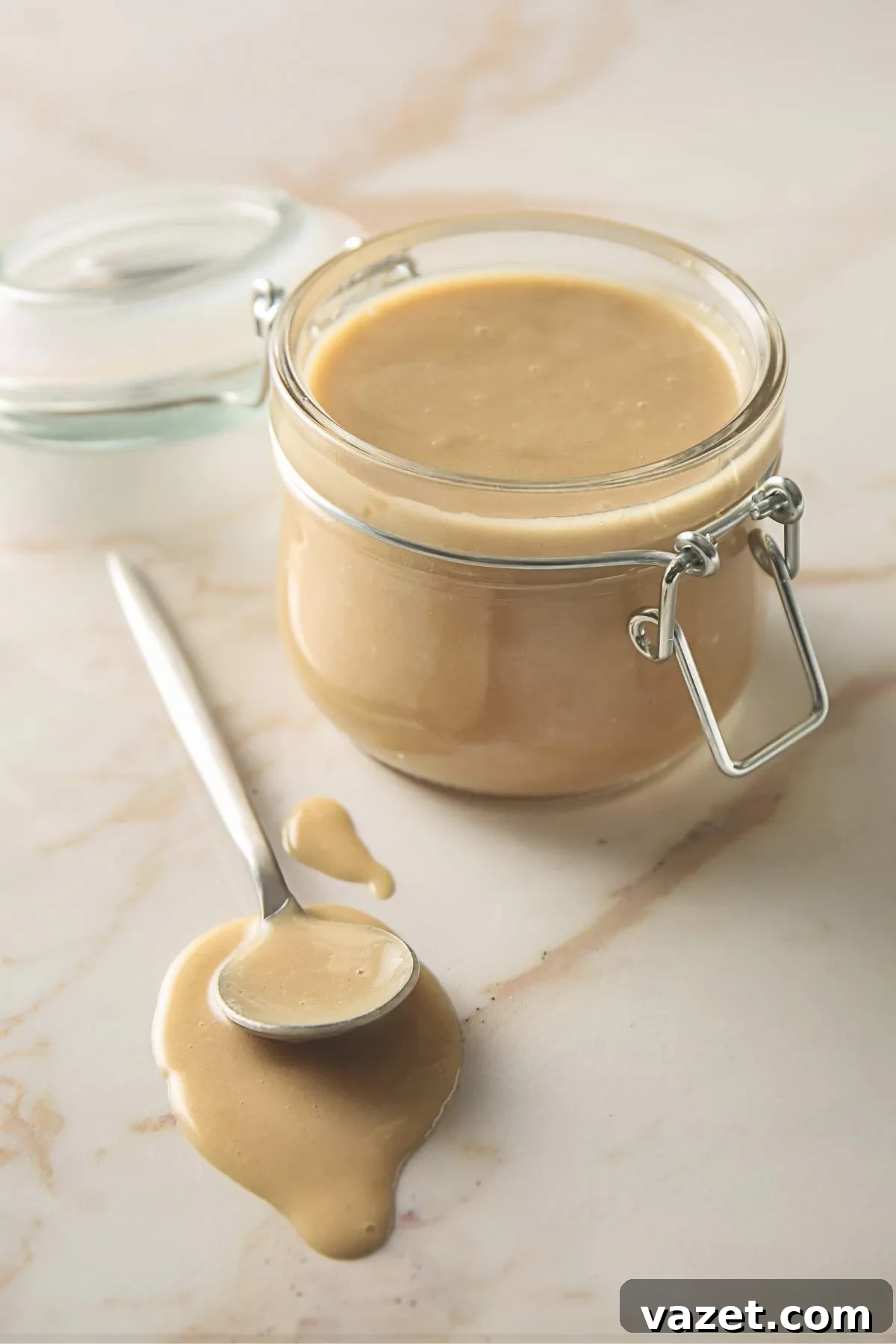
Before diving into substitutes, it’s essential to truly understand tahini. This creamy paste, derived from finely ground sesame seeds, is a cornerstone of Middle Eastern, Mediterranean, and North African gastronomy. Its flavor profile is complex and alluring: a profound nuttiness harmoniously blended with a delicate sweetness and a signature earthy bitterness that prevents it from being cloying. Beyond its unique taste, tahini contributes a velvety smooth texture, enriching sauces, dips, dressings, and even baked goods without the need for dairy. Available in both hulled and unhulled varieties, with unhulled tahini offering a slightly stronger, more robust flavor and a darker hue due to its higher fiber content. Its rich consistency and distinctive flavor make it a crucial component in traditional dishes like hummus, baba ghanoush, and halva, underscoring its versatility in both savory and sweet applications. Nutritionally, tahini is a powerhouse, packed with healthy fats, protein, fiber, and essential minerals like calcium, magnesium, and iron, making it a valuable addition to a balanced diet.
The Practicality of Tahini Substitutes
The quest for a suitable tahini substitute often stems from several practical and dietary considerations. One of the most common reasons is the prevalence of sesame allergies. For individuals with this specific food sensitivity, using an alternative is not just a preference but a necessity to ensure safety and prevent allergic reactions. Tahini, while rich in beneficial unsaturated fats, also has a high-calorie density. Those looking to manage their fat intake for health or dietary reasons might seek lower-fat alternatives or ingredients that offer a different nutritional profile. Furthermore, tahini can sometimes be a specialty item, not readily available in all grocery stores, especially in smaller towns or regions outside of its primary culinary influence. Its price point can also be a factor, making more common and budget-friendly ingredients an attractive option. In such scenarios, knowing a diverse range of substitutes ensures culinary flexibility, allowing you to adapt recipes without compromising on flavor or texture, or facing an unexpected trip to the store.
Selecting the Perfect Tahini Alternative: Key Considerations
While using tahini itself is always ideal when a recipe calls for it, a well-chosen substitute can be just as effective. The key to successful substitution lies in understanding the primary role tahini plays in the specific dish you are preparing. Is it primarily for its distinctive nutty, slightly bitter flavor? Or is its rich, creamy texture the essential element, providing body and smoothness? Perhaps it’s a combination of both. For example, in a light vinaigrette, the flavor might be paramount, while in a thick hummus, the texture is equally crucial. Considering these factors will help you narrow down the best alternative. Additionally, think about other characteristics of tahini, such as its mild color and its ability to emulsify. Some substitutes might alter the color or require adjustments to other liquid ingredients to achieve the desired consistency. By carefully evaluating these aspects, you can ensure that your chosen alternative seamlessly integrates into your recipe, delivering a delicious and satisfying result.
1. DIY Homemade Tahini: The Freshest Option
The most authentic and often most satisfying substitute for store-bought tahini is to simply make it yourself. Homemade tahini offers unparalleled freshness, allowing you to control the exact ingredients and consistency. The process is surprisingly straightforward and yields a product far superior in taste to many commercial varieties. To begin, gently toast raw sesame seeds in a dry pan over medium heat until they turn a light golden color and become fragrant. This crucial step enhances their nutty flavor profile. Be careful not to burn them, as this can introduce an undesirable bitterness. Once cooled, transfer the toasted seeds to a food processor or high-speed blender. Begin processing them, and as they break down, gradually stream in a neutral-flavored oil such as light sesame oil, canola oil, or grapeseed oil. The amount of oil will vary depending on the desired consistency, typically ranging from 2 to 4 tablespoons per cup of sesame seeds. Continue blending until you achieve a silky-smooth, pourable paste. This method not only guarantees a fresh, allergen-controlled tahini but also ensures you’re always prepared for any recipe that calls for this versatile ingredient.
2. Sunflower Seed Butter: A Nut-Free Alternative
Sunflower seed butter is an excellent and often overlooked alternative to tahini, particularly beneficial for those with nut allergies or sensitivities. Both are seed-based spreads, sharing a similar creamy texture and rich mouthfeel. While sunflower butter tends to be slightly thicker and can have a more pronounced, earthy flavor, it works remarkably well in most recipes that call for tahini. Nutritionally, it offers a good source of protein, healthy fats, and various vitamins and minerals. For most applications, sunflower seed butter can be used in a one-to-one ratio as a tahini substitute. To achieve a flavor profile closer to tahini’s, especially in savory dishes like hummus or dressings, opt for an unsweetened variety to avoid any unexpected sweetness. A clever trick to further mimic tahini’s essence is to blend a small amount of toasted sesame oil with the sunflower seed butter. This infusion helps to impart that distinctive sesame note, making it an almost identical and easy swap. Keeping a jar of sunflower seed butter in your pantry is also practical, as it serves as a fantastic substitute for peanut butter in many recipes, making it a truly versatile ingredient.
3. Cashew and Almond Butters: Mild and Creamy Replacements
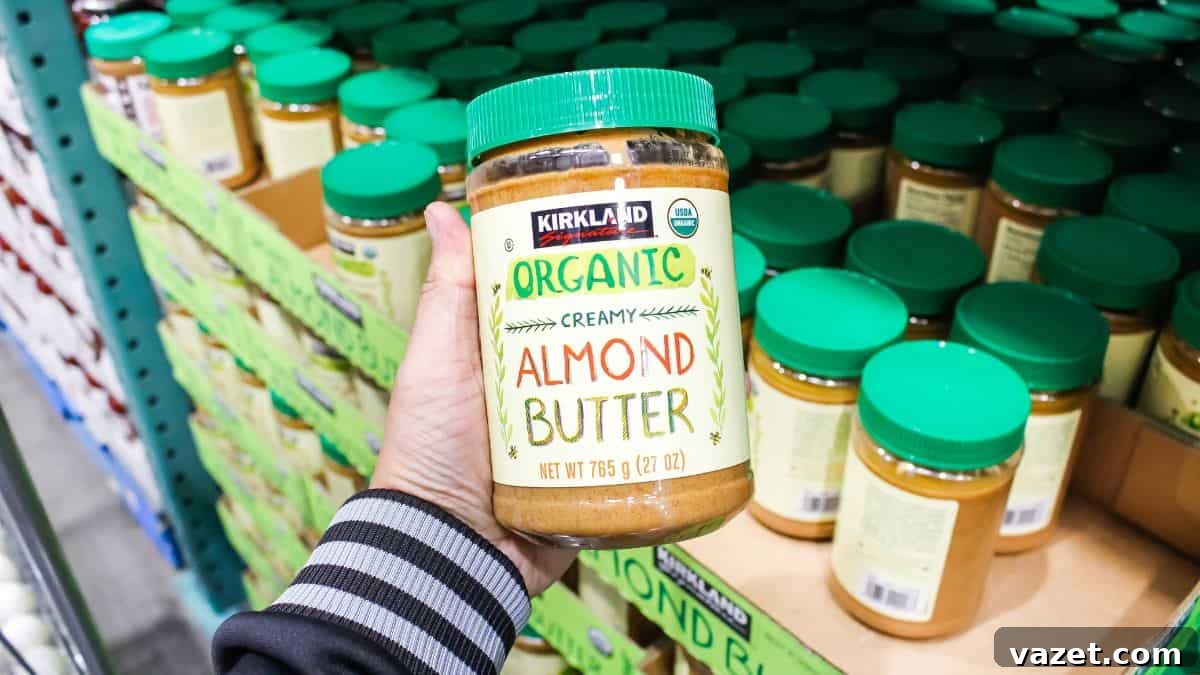
When seeking a tahini substitute, cashew and almond butters emerge as strong contenders, offering a similar mild richness and creamy consistency that can beautifully integrate into various dishes. These nut butters are less bitter than traditional tahini, providing a smoother, often slightly sweeter flavor profile that appeals to many palates. Cashew butter, with its naturally sweet and delicate flavor, is exceptionally versatile. It effortlessly blends into dips, dressings, and creamy sauces, adding a luxurious texture without overpowering other ingredients. Its light color also makes it a good choice for recipes where you want to maintain a specific aesthetic. Almond butter, a popular choice for its nutritional benefits including fiber and vitamin E, boasts a wonderfully smooth texture and a universally loved mild, nutty taste. It performs admirably in both sweet applications, like glazes and baked goods, and savory dishes, such as Asian-inspired sauces or rich stews. Both cashew and almond butters can be used as a straightforward cup-for-cup substitute for tahini, though you might consider adding a tiny dash of toasted sesame oil if you desire to bring back some of tahini’s characteristic sesame notes without using sesame seeds directly.
“When I’m making hummus and realize we are out of tahini, I replace it with an equal amount of almond butter. No one in my family is the wiser, and they always gobble it up!”
— Sage Scott, Sage Alpha Gal
4. Greek Yogurt: For Texture and a Tangy Twist
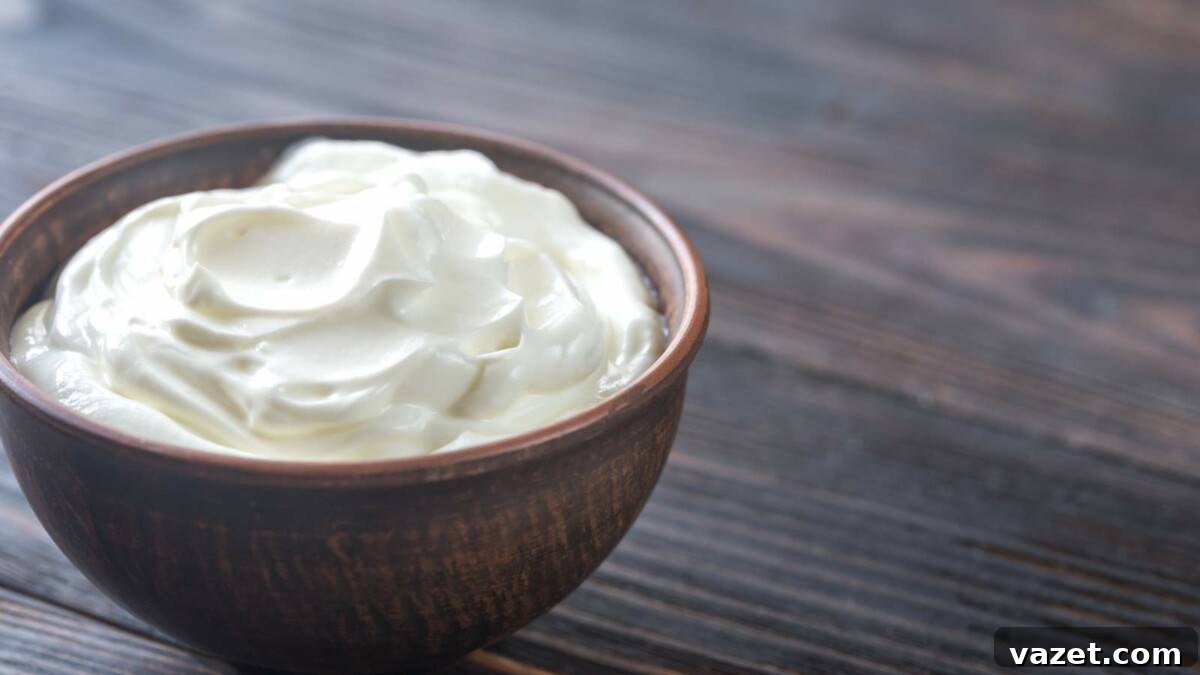
Substituting tahini with Greek yogurt introduces a new dimension of flavor and texture, transforming the dish in a delightful way that isn’t always a direct replacement but often a complementary enhancement. Greek yogurt is particularly effective when tahini’s primary role is to provide a thick, creamy consistency rather than its unique nutty and bitter flavor. Its inherent tanginess can add a refreshing zest to savory preparations, making it an excellent choice for vibrant dips, light and creamy dressings, or as a base for marinades. However, it’s crucial to acknowledge that Greek yogurt is not a suitable stand-in when tahini’s specific flavor profile is essential, especially in recipes where tahini is meant to balance sweet elements, such as drizzled over roasted sweet potatoes or in sweet glazes. When using Greek yogurt, be mindful of its moisture content; you might need to adjust other liquids in the recipe to maintain the desired thickness. Opt for plain, unsweetened, full-fat Greek yogurt for the creamiest texture and most neutral base, allowing you to control the flavor additions. For a touch of tahini-like nuttiness, you could experiment with adding a tiny amount of a neutral-flavored nut butter or a drop of sesame oil, provided there are no allergy concerns.
5. Pumpkin Seed Butter: Nutrient-Rich and Earthy
Pumpkin seed butter stands out as an exceptional, allergy-friendly alternative to tahini, offering a distinctive flavor and a wealth of nutritional benefits. Made from finely ground, de-shelled pumpkin seeds (also known as pepitas), it boasts a creamy, spreadable texture that often holds together beautifully without significant oil separation, ensuring a consistent application in your recipes. Flavor-wise, pumpkin seed butter is characterized by its earthy, slightly bitter, and subtly sweet notes, which can mimic some of the complexity found in tahini. Its vibrant green hue also makes it a visually appealing ingredient, particularly in dishes where its color can enhance the aesthetic, such as homemade pesto, green smoothies, or unique salad dressings. Nutritionally, it’s a powerhouse, rich in magnesium, zinc, iron, and antioxidants. When selecting pumpkin seed butter for a tahini substitute, always opt for an unsweetened, organic version to ensure the purest flavor profile and to avoid any added sugars or unnecessary ingredients that could clash with your recipe’s intended taste. Its robust flavor makes it particularly well-suited for savory applications where you desire a depth of taste and a creamy consistency.
6. Sesame Oil: For Flavor, Not Texture
Sesame oil is a useful substitute when your primary goal is to infuse a dish with tahini’s signature sesame flavor, particularly in marinades, stir-fries, and salad dressings. Since sesame oil is extracted directly from sesame seeds, it naturally shares the same aromatic and nutty flavor profile as tahini. There are two main types: light sesame oil, which is pale and has a mild flavor, and toasted sesame oil, which is dark brown and boasts a much more intense, nutty aroma and taste. For a tahini substitute, toasted sesame oil is generally preferred for its more pronounced flavor. However, it is crucial to remember that sesame oil is a liquid, not a paste. This means it cannot replicate the thick, creamy body and emulsifying properties that tahini provides in recipes where texture is paramount, such as hummus or thick sauces. When using sesame oil, start with a cautious approach: use about half the amount of tahini called for in the recipe and adjust to your taste. Its concentrated flavor can easily overpower a dish if used too generously. If the recipe relies heavily on tahini for both flavor and texture, you might need to combine sesame oil with another thickener, like a nut butter or Greek yogurt, to achieve a more balanced substitution.
Recipes Transformed with Tahini Substitutes
Understanding which substitute works best in specific recipes is key to successful culinary improvisation. Here are some popular dishes where tahini substitutes can shine:
- Roasted Eggplant Dip: This roasted eggplant dip often benefits from the creamy texture provided by Greek yogurt, which is already a component. If tahini is typically added for a subtle sesame note, omitting it and incorporating a small amount of toasted sesame oil will deliver the desired flavor without altering the dip’s luxurious texture, making it an ideal candidate for a partial substitution.
- Sweet Glazes and Baked Goods: For recipes like this gingerbread banana bread, where tahini is combined with maple syrup to form a sweet glaze, any rich nut butter variety – such as almond or cashew butter – would make an excellent substitute. These alternatives closely mimic tahini’s creamy texture, ensuring the glaze maintains its desirable consistency while adding a complementary nutty sweetness.
- Winter Squash Dishes and Salads: Tahini’s slightly bitter and nutty taste wonderfully complements the inherent sweetness of various winter squash varieties. It’s often used as a luscious sauce atop dishes like roasted sweet dumpling squash or as a creamy dressing in a sweet potato, squash, and chickpea fall salad. In these cases, homemade DIY tahini is the best swap for an authentic taste. Alternatively, sunflower seed butter can also perform admirably, offering a similar body and earthy flavor, especially if you blend in a touch of sesame oil.
- Hummus: For classic hummus, homemade tahini is ideal. If that’s not possible, a combination of sunflower seed butter (for texture) and a dash of toasted sesame oil (for flavor) can create a surprisingly similar profile. Almond or cashew butter also works well, yielding a milder, slightly sweeter hummus.
Tips for Successful Substitution
When venturing into the world of tahini substitutes, a few guiding principles can ensure your culinary experiments are always a success:
- Start Small and Taste: Begin by using about half to two-thirds of the substitute quantity that the recipe calls for tahini. Taste and adjust as you go, adding more if needed. This prevents overpowering your dish with an unfamiliar flavor or texture.
- Consider the Dish’s Dominant Flavors: If your dish has strong, bold flavors, a more robust substitute like sunflower seed butter might work well. For delicate dishes, milder nut butters or even Greek yogurt might be more appropriate.
- Adjust for Consistency: Some substitutes are thicker (like certain nut butters) or thinner (like sesame oil) than tahini. Be prepared to add a little extra liquid (water, lemon juice, or oil) if the mixture is too thick, or a thickener (like a pinch of cornstarch slurry or more of the dry ingredients) if it’s too thin.
- Introduce Complementary Flavors: If your chosen substitute lacks the specific nutty depth or bitterness of tahini, consider adding a small amount of roasted nuts (if no allergies), a tiny bit of smoked paprika, or a touch of lemon zest to round out the flavor profile.
- Embrace Experimentation: Don’t be afraid to mix and match. Sometimes, a blend of substitutes – for example, a nut butter for texture and a dash of sesame oil for flavor – can yield the best results.
Final Thoughts: Mastering Your Pantry
The moment of truth arrives when you’re poised to create a culinary masterpiece, only to discover your tahini jar is empty. Whether driven by dietary restrictions, the need to accommodate allergies, or simply an unexpected shortage, having a repertoire of tahini substitutes at your fingertips is an invaluable asset in any kitchen. From the rich creaminess of various nut and seed butters, perfect for crafting smooth dips and hearty sauces, to the tangy freshness of Greek yogurt for lighter dressings, the options are diverse and exciting. Each alternative brings its unique characteristics, influencing not just the texture but also the subtle nuances of flavor in your final dish. While no substitute will be an exact replica, with a little creativity and a willingness to experiment, you can confidently adapt your favorite recipes. Armed with this knowledge, you’re not just replacing an ingredient; you’re expanding your culinary horizons, making you a more versatile and resourceful cook ready to tackle any kitchen challenge that comes your way.